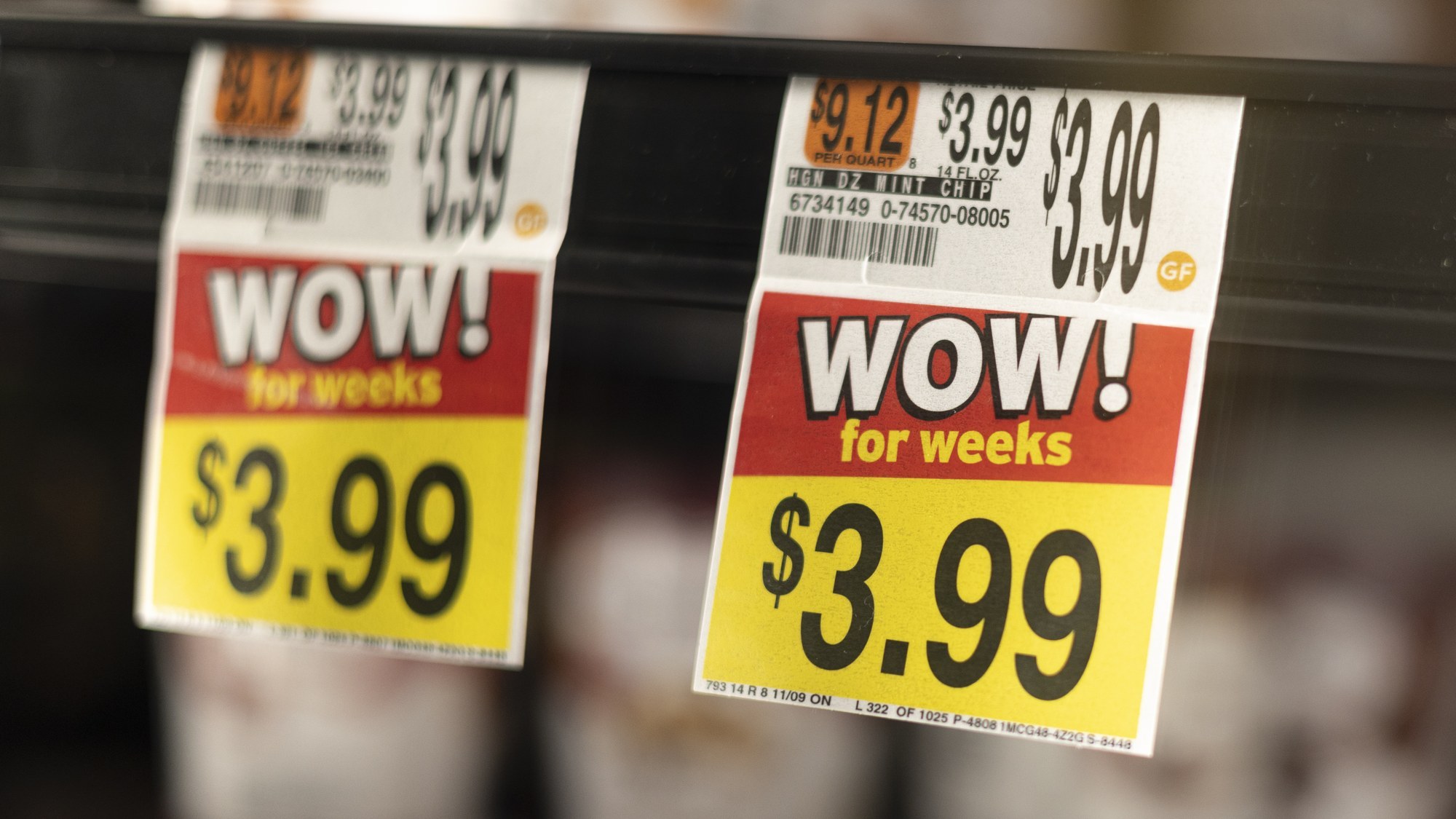
American households are paying sharply more for everyday essentials after consumer prices rose 4.2% over the year ending in May 2026, the fastest annual pace in three years. Gasoline prices drove the bulk of that acceleration, climbing more than 40% compared with a year earlier. The monthly increase alone was 0.5%, with fuel and shelter costs accounting for most of the upward pressure.
Why a 4.2% Annual Rate Hits Household Budgets Right Now
The 4.2% year-over-year jump in the Consumer Price Index for All Urban Consumers, reported in BLS release USDL-26-0824, lands at a time when wages in many sectors have barely kept pace with prices over the past year. A single month’s 0.5% increase may sound modest, but it compounds on top of elevated shelter costs that have persisted for more than two years. For a family spending $400 a month on gasoline, a 40%-plus annual price increase translates to roughly $160 more per month at the pump, money that cannot easily be redirected from rent, groceries, or debt payments.
The gasoline component is large enough to reshape broader spending patterns. Because fuel costs feed into shipping, commuting, and supply-chain expenses, a sustained surge of this size tends to push up the transportation share of CPI in subsequent months. Comparing the next two BLS CPI releases against the May 2026 baseline tables will show whether that pass-through effect is materializing. If it does, the transportation category’s weight in the index will grow, amplifying the impact of any further energy-price swings on the headline number.
BLS and BTS Data Behind the 40% Gasoline Surge
Two federal agencies independently confirmed the scale of the gasoline shock. The Bureau of Labor Statistics recorded gasoline (all types) up 40.5% year over year and motor fuel up 40.9% in its detailed CPI tables. The Bureau of Transportation Statistics separately quantified gasoline’s contribution, showing it accounted for a large share of the total annual CPI change. That convergence across agencies removes any ambiguity about the direction or magnitude of the price move.
Shelter prices also rose, though the BLS release header pairs them with gasoline as the two main upward forces rather than assigning a single percentage to housing alone. The combination matters because shelter and energy together represent the two largest recurring expenses for most renters and homeowners. When both categories climb simultaneously, discretionary spending gets squeezed from two directions at once.
What the May CPI Data Does Not Answer
Several gaps in the available data limit how far conclusions can stretch. The primary BLS release contains no state-level or metro-level gasoline price breakdowns, so it is impossible to know from this dataset alone whether drivers in, say, California or rural Appalachia faced steeper increases than the national 40.5% average. The Department of Labor release and related BLS tools provide raw tables but no embedded analysis of how wage growth compares with the 4.2% headline, leaving the real purchasing-power question unanswered by official sources so far.