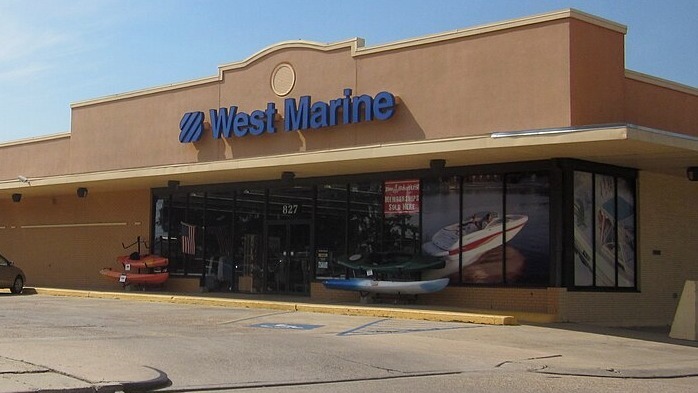
West Marine, the largest boating retailer in the United States, filed for Chapter 11 bankruptcy and is shutting down 59 stores across 23 states. The closures, detailed in a court document filed in June, come as multi-state retail bankruptcies reach levels not seen in over a decade. With roughly $55 million in annual lease obligations spread across approximately 200 locations, the filing raises a pointed question about what is actually sinking these chains: weak sales or fixed real-estate costs that leave no room to adjust.
Why $55 million in leases matters more than slow foot traffic
Retail bankruptcies tend to get blamed on declining consumer demand or competition from online sellers. West Marine’s case complicates that story. The company holds approximately 200 leases requiring about $55 million a year. Closing 59 of those locations, nearly a third of its footprint, is designed to free up cash while the company negotiates with creditors.
That ratio tells a clear story. When a retailer’s lease bill runs that high relative to its store count, even a modest revenue dip can push the business past the break-even line. Lease contracts are typically multi-year commitments with limited exit options. A chain that signed agreements during stronger years can find itself locked into payments that no longer match what those stores produce. West Marine cited supply-chain disruptions as a factor in its filing, but the sheer weight of its real-estate obligations stands out as the structural pressure point.
Court filings and 59 closures across 23 states
West Marine, described as the nation’s largest boating retailer, identified the 59 locations slated for closure in a document filed in June as part of its Chapter 11 proceedings. The stores span 23 states, hitting coastal and inland boating markets alike. Florida alone faces four closures, according to regional reporting.
The Chapter 11 filing allows West Marine to continue operating its remaining stores while it restructures debt. Liquidation sales at the closing locations are expected to generate short-term cash, but the longer play is reducing the company’s fixed-cost base so the surviving network can break even or turn a profit. For employees at the 59 affected stores, the timeline is immediate: once a location is approved for closure, staffing winds down quickly.
Separate reporting has flagged questions about executive bonuses during the bankruptcy process, though no primary court documents confirming or denying those payments have surfaced publicly. That thread could shape creditor negotiations and public perception of the restructuring.
What the West Marine filing leaves unanswered
Several gaps in the public record limit how far conclusions can stretch. No primary bankruptcy petition or financial schedules have been made available to verify the exact criteria West Marine used to select the 59 stores for closure. It is unclear whether the company chose locations based on lease expiration dates, per-store revenue, or geographic overlap. The $55 million lease figure comes from reporting rather than a disclosed court exhibit, and the full breakdown by location has not been published.