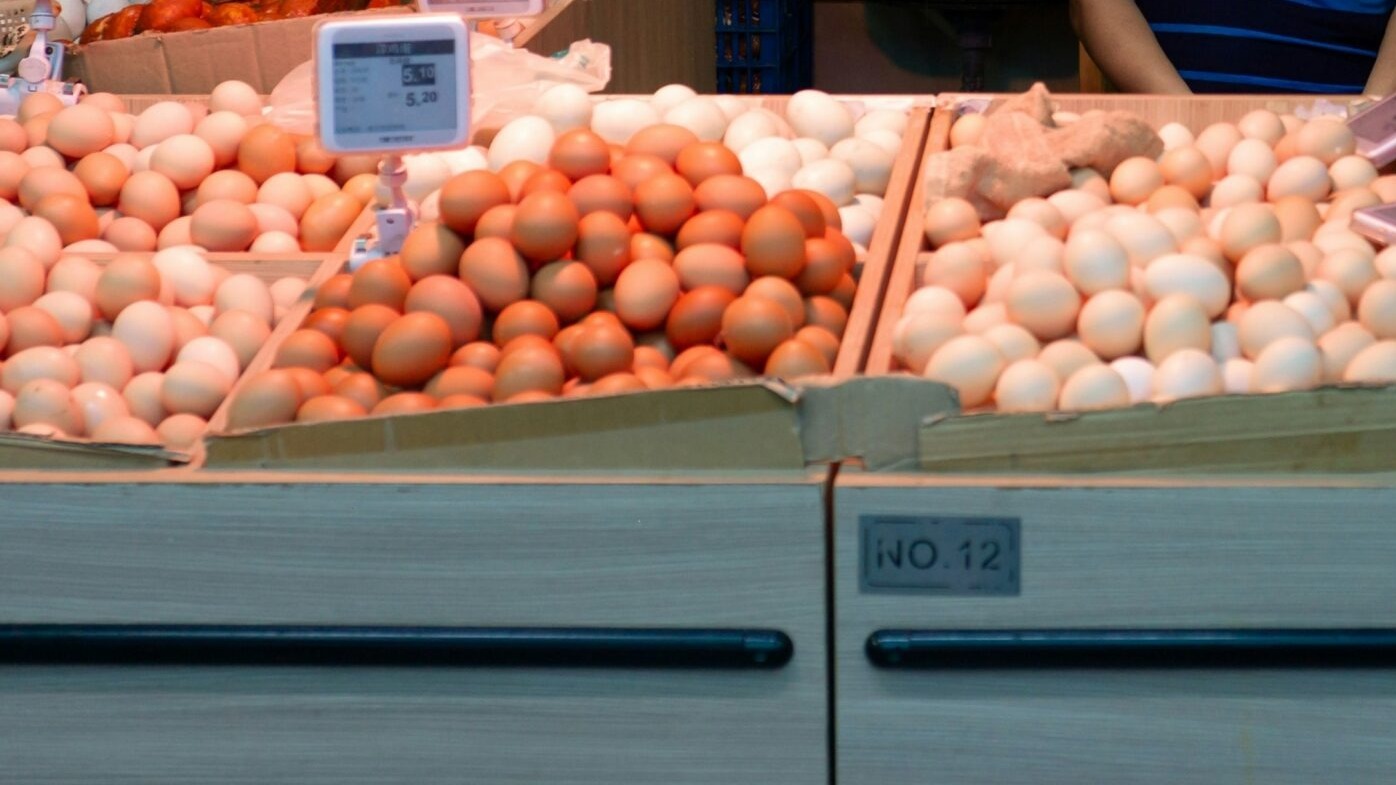
American grocery shoppers caught a rare break on one staple protein this spring: a dozen eggs cost $5.12 at retail in April 2025, down from $6.23 just one month earlier, after a devastating bird-flu outbreak wiped out tens of millions of laying hens and sent wholesale prices to record highs. While most food-at-home categories have stayed elevated, eggs stand out as one of the few items on a sustained downward track, and federal forecasters expect that relief to carry into 2026.
Why the 35 percent egg-price drop matters for household budgets
Between mid-October 2024 and early March 2025, highly pathogenic avian influenza forced the depopulation of 50.7 million egg-laying hens across commercial and backyard flocks. That supply shock drove the monthly average wholesale price to $8.20 per dozen in February 2025, the highest on record for that benchmark. Retail prices followed, peaking at $6.23 per dozen in March 2025.
The speed of the decline since then is what separates eggs from other grocery categories. Wholesale values fell from $8.20 in February to $3.74 per dozen by April, a drop of more than half in roughly eight weeks. Retail prices tracked that slide, landing at $5.12 in April according to Congressional Research Service data. That retail move, from $6.23 to $5.12 in a single month, represents an 18 percent decline and reflects how quickly supply conditions can shift once surviving flocks ramp up production and replacement pullets begin laying.
For families that rely on eggs as an affordable protein, the math is straightforward. A household buying two dozen eggs per week would have spent roughly $50 a month at March prices. At April levels, that same purchase costs about $41, freeing up nearly $9 a month. The savings are modest individually but meaningful for lower-income households where eggs make up a larger share of the grocery budget.
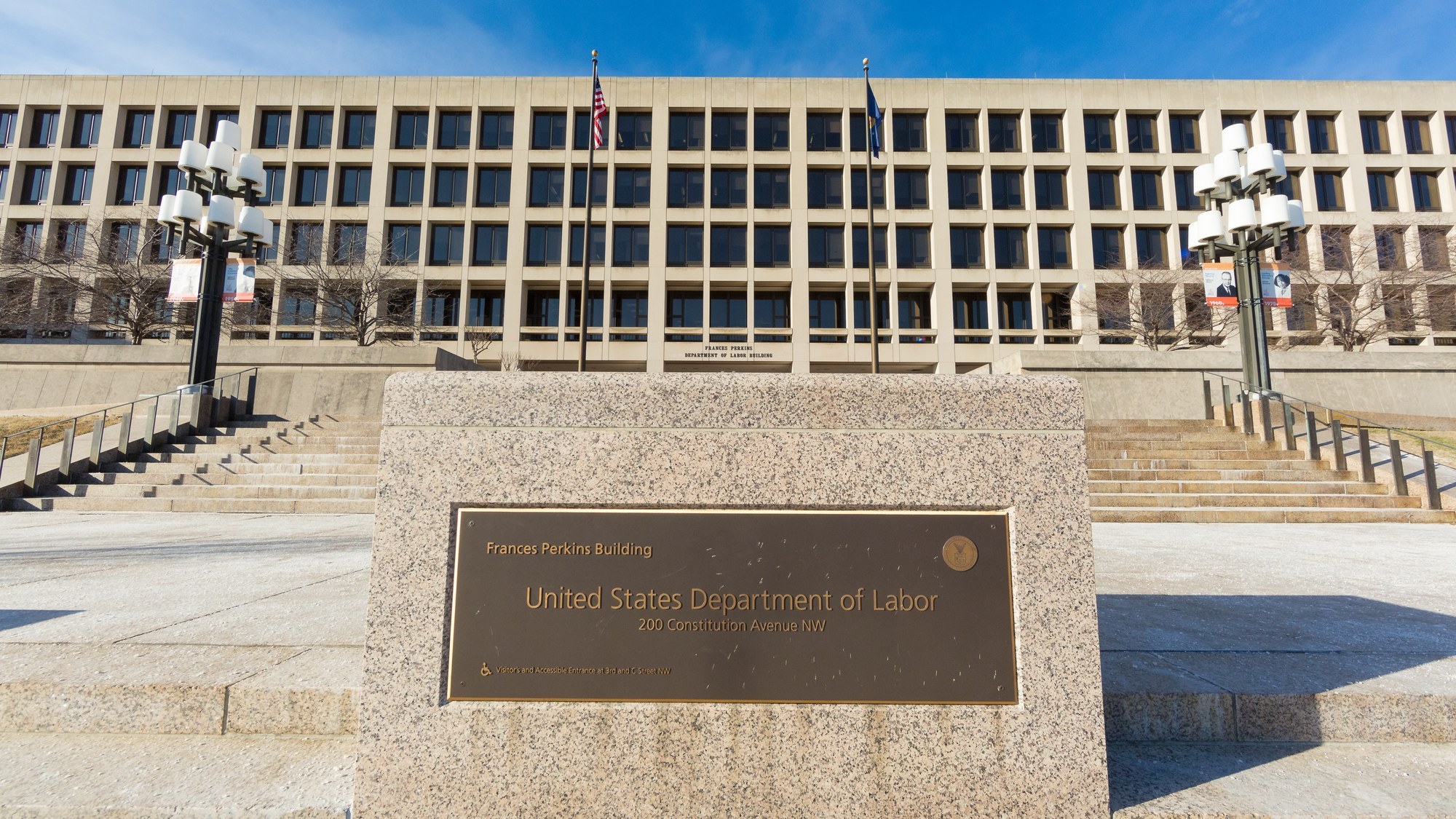
The broader inflation backdrop makes the egg relief stand out even more. Overall food-at-home prices have remained sticky, with federal statisticians at the Bureau of Labor Statistics documenting persistent year-over-year increases in the consumer price index for groceries. In that context, a double-digit monthly decline in a widely purchased item offers a rare and visible easing of pressure in supermarket aisles.
Flock recovery and fewer outbreaks behind the price slide
Two forces are driving the correction. First, commercial layer placements accelerated through late 2025 as producers rebuilt flocks lost to the outbreak. Cal-Maine Foods, the largest publicly traded U.S. egg producer, detailed the production disruption and recovery trajectory in its quarterly filing for the period ended November 29, 2025. The company’s disclosure gives investors and analysts a ground-level view of how rapidly the industry has restored capacity, from bringing new pullets into barns to ramping up feed and logistics operations.
Second, new HPAI detections in early 2026 have been running well below the pace recorded during the same period in 2025, according to the USDA’s ongoing food price outlook. Fewer confirmed cases in commercial flocks means fewer birds culled and less disruption to the egg supply chain. USDA’s animal health officials continue to log confirmed cases in both commercial and backyard operations through their avian-influenza detections dashboard, but the slower pace of outbreaks has allowed existing flocks to stay in production longer and maintain steadier output.
Improved on-farm biosecurity, including tighter controls on visitor access, enhanced sanitation protocols, and more rigorous monitoring of wild-bird exposure, has also supported the stabilization. While those measures add costs for producers, they help avoid the far larger economic hit that comes with mass depopulation events and sudden supply shocks.
How long can cheaper eggs last?
Looking ahead, the key question for shoppers is whether the current price break is temporary or the start of a more durable normalization. Federal forecasters expect egg prices to remain on a generally downward path into 2026, assuming no resurgence of large-scale HPAI outbreaks and a continued recovery in the national laying flock. As more replacement birds reach peak productivity, the added supply should help keep wholesale markets from returning to the extremes seen in early 2025.
Still, eggs are not immune to broader cost pressures. Feed, energy, packaging, and transportation all factor into the final shelf price, and any renewed spikes in grain or fuel markets could slow or partially reverse the recent declines. In addition, if consumer demand rebounds sharply-either because households shift back toward cooking at home or because food-service operators expand breakfast offerings-tighter margins could re-emerge even without a new disease shock.
For now, however, eggs offer a rare example of relief in an otherwise challenging grocery landscape. Households that stretch their food dollars by relying on home cooking can lean more heavily on omelets, frittatas, and baked dishes without facing the sticker shock that dominated dairy cases earlier in the outbreak. Whether that respite endures will depend on the industry’s ability to keep flocks healthy and the broader economy’s success in containing input costs, but the recent slide in prices shows how quickly conditions can improve once disease pressures ease and production rebounds.