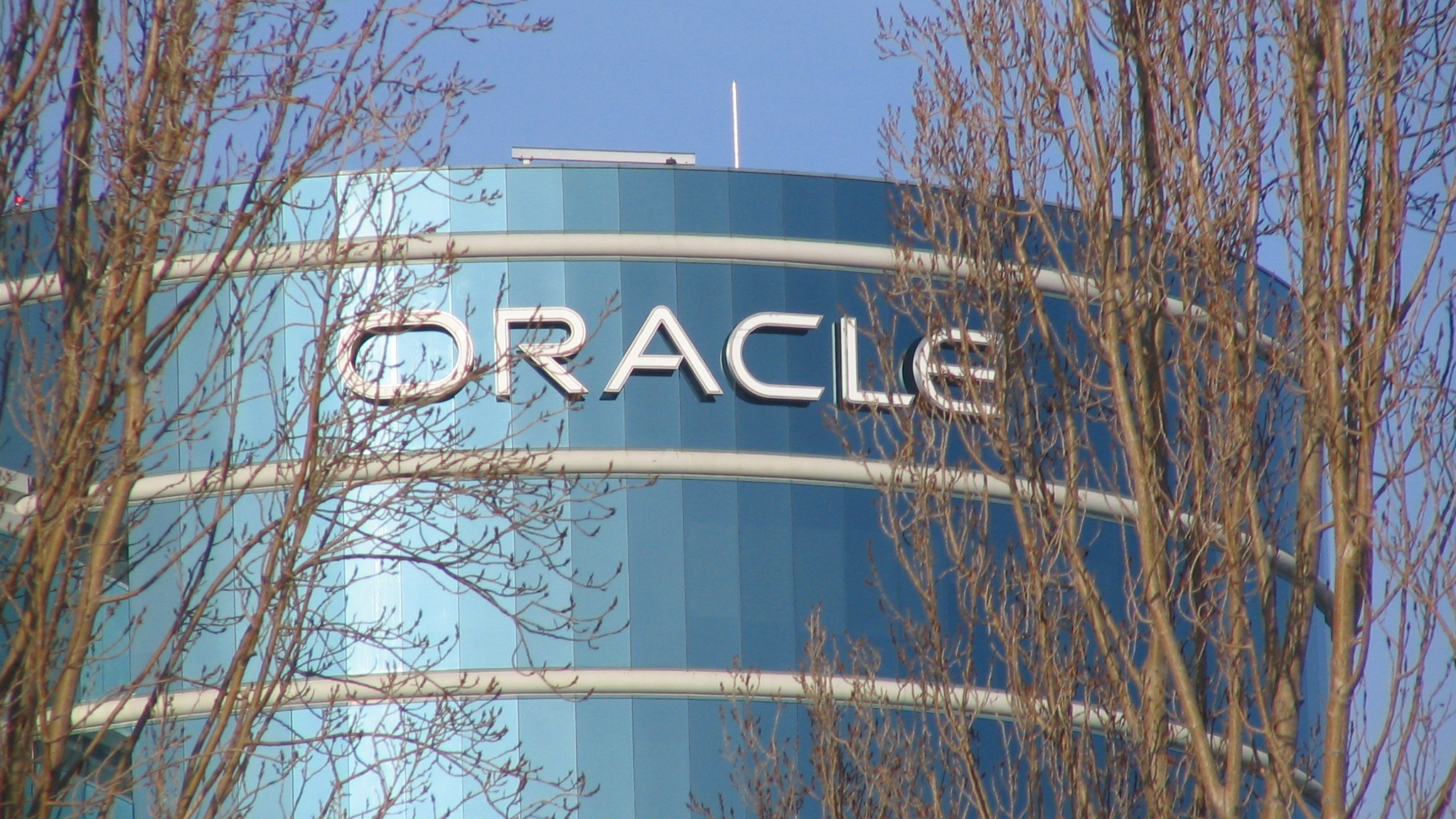
Oracle shed roughly 21,000 full-time positions over the twelve months ending May 31, 2026, dropping from approximately 162,000 employees to about 141,000. The company’s own annual filing with the Securities and Exchange Commission ties part of that reduction to artificial intelligence, stating that AI tools “have resulted, and may continue to result” in lower demand for certain roles. The cuts landed during a fiscal year in which Oracle touted record cloud revenue, creating a stark contrast between a shrinking workforce and expanding business.
Why 21,000 fewer Oracle employees signals a broader AI reckoning
The raw math is hard to ignore. A net loss of roughly 21,000 workers represents about a 13 percent contraction in Oracle’s global headcount in a single fiscal year. That figure comes directly from comparing the approximately 162,000 full-time employees Oracle reported as of May 31, 2025, with the roughly 141,000 it disclosed twelve months later. The year-over-year gap is among the largest single-year workforce reductions any major enterprise-software company has reported while simultaneously posting revenue growth.
Oracle framed the shift partly through risk-factor language in its fiscal 2026 10-K, acknowledging that AI adoption inside the company has already displaced certain job functions. That language matters because SEC risk-factor disclosures are reviewed by legal counsel and auditors; companies do not insert them casually. By writing that AI “have resulted” in workforce changes, Oracle moved beyond the hypothetical warnings that many tech firms still use and into a present-tense admission that automation is actively reshaping its labor needs.
The tension for investors and employees alike is straightforward. If Oracle can generate more cloud revenue per worker, margins should widen. But the filing does not quantify how much of the headcount drop came from AI-driven efficiency versus attrition, restructuring, or divestitures. That gap between the company’s broad AI attribution and the absence of granular data leaves analysts guessing about how sustainable the productivity gains really are. It also raises questions about how much further Oracle can press automation before it begins to erode institutional knowledge or customer support quality.
For workers across the tech sector, the episode underscores that AI is no longer just a tool for augmenting tasks; it is becoming a lever for structural cost-cutting. Oracle’s admission that automation has already reduced demand for certain roles will likely be cited by other large employers as they justify their own reorganizations. At the same time, the lack of detail in Oracle’s public disclosures makes it difficult for policymakers and labor advocates to understand which categories of jobs are most exposed.
What Oracle’s SEC filings reveal about the 21,000‑job reduction
The two primary documents anchoring the 21,000-job figure are Oracle’s annual reports filed on Form 10-K for fiscal years 2025 and 2026. The fiscal 2026 filing lists approximately 141,000 full-time employees as of May 31, 2026, and contains the AI-related risk-factor language. The prior-year filing provides the 162,000-employee baseline. Subtracting one from the other produces the roughly 21,000-position net decline, though that figure reflects the balance of all hiring and departures over the year rather than a single layoff event.
Neither filing breaks the reduction down by department, geography, or job function. Oracle does not specify how many roles were eliminated through layoffs versus voluntary departures or hiring freezes. The company also does not isolate which AI tools or deployments drove specific cuts, leaving the connection between automation and job losses stated in general terms rather than documented with operational detail. That omission is typical of high-level financial reporting but limits outside observers’ ability to distinguish between routine churn and technology-driven restructuring.
Reporting from Bloomberg journalists has indicated that AI replaced some roles directly, suggesting that automation was not merely a background factor but a proximate cause in certain job eliminations. Oracle’s own SEC disclosures, however, stop short of that level of specificity. The distinction is important: the primary filings support the claim that AI is contributing to lower demand for particular categories of work, but they do not identify which positions were automated away or quantify how many people were affected in each area.
For investors, the filings still offer meaningful signals. The combination of rising cloud revenue and a smaller workforce implies that Oracle’s revenue per employee is increasing, a classic marker of productivity gains. Yet without a breakdown of where the savings are coming from, it is hard to determine whether the company is harvesting one-time efficiencies or building a durable, AI-enabled operating model. If much of the headcount decline reflects deferred hiring or temporary restructuring, the margin benefits could prove less enduring than the headline numbers suggest.
For employees and job seekers, the lack of granularity poses a different challenge. Oracle’s generalized acknowledgment that AI has reduced demand for some roles may heighten anxiety across broad swaths of its workforce, even if only certain functions are at immediate risk. Clearer disclosure about which tasks are being automated-and where the company is adding new, AI-adjacent roles-could help workers plan reskilling paths rather than simply brace for cuts.
Ultimately, Oracle’s 21,000-person contraction illustrates how quickly AI can reshape staffing at a mature technology company, even when overall business is growing. The company’s filings confirm that automation is already influencing headcount, but they leave many of the most pressing questions unanswered: which jobs are disappearing, which new ones are emerging, and how sustainable the resulting productivity gains will be. Those are questions that investors, employees, and regulators will keep pressing as AI-driven restructuring moves from isolated cases to a defining feature of the corporate landscape.