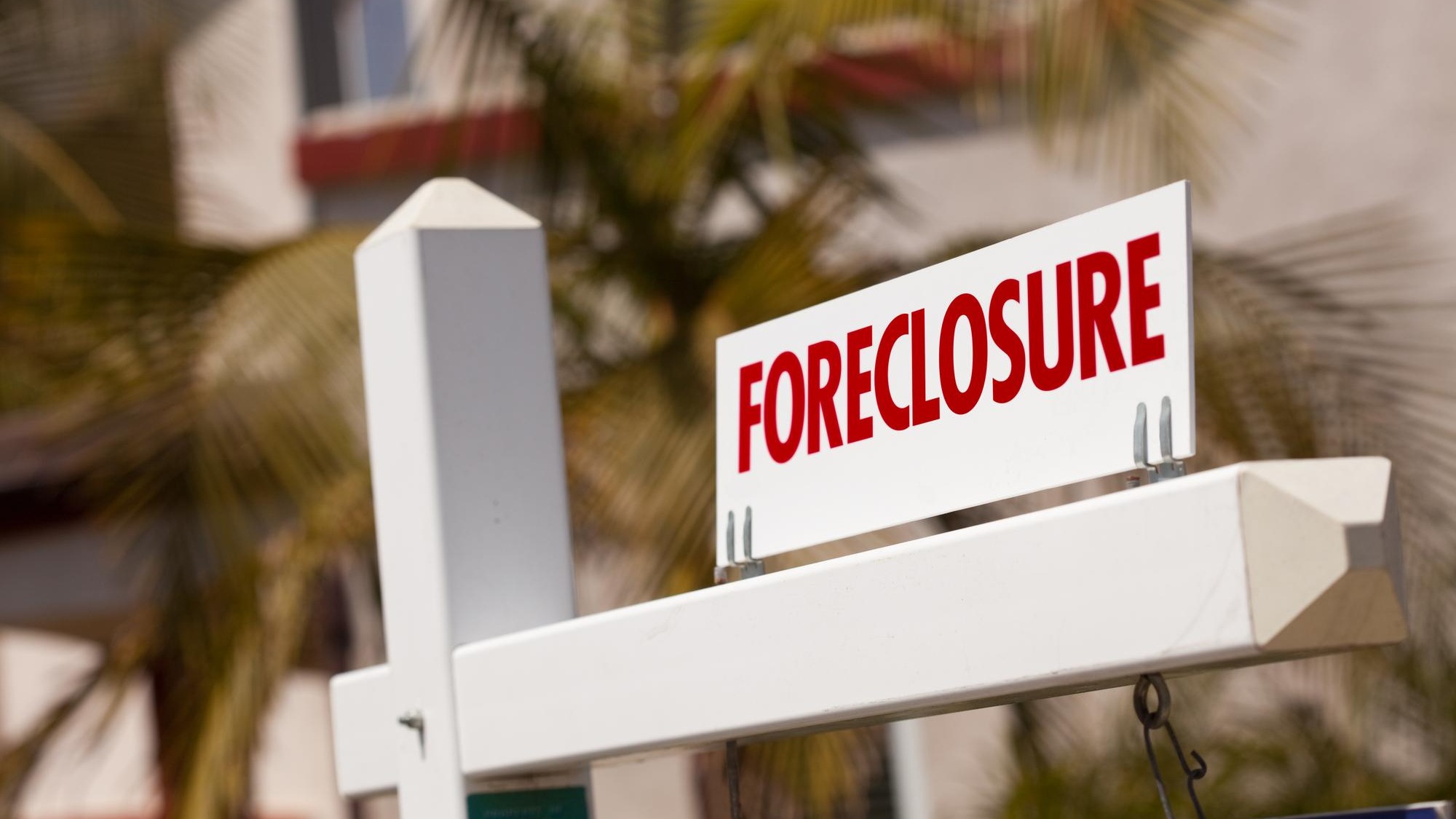
Homeowners across the United States, and especially in Florida, are facing growing pressure as foreclosure filings climbed for an eighth consecutive month in April 2026. ATTOM’s April 2026 U.S. Foreclosure Market Report confirmed the streak, describing the trend as a “gradual annual climb” that has persisted since last fall. The sustained rise raises pointed questions about which cost pressures are pushing borrowers over the edge and whether Florida’s housing market can absorb the strain.
Eight months of rising filings and Florida’s exposure
The eight-month run of increases is not a sudden spike. It is a slow, steady escalation that began in late 2025 and has continued without interruption into the spring of 2026. That pattern distinguishes the current environment from the sharp, crisis-driven surges of the late 2000s. The consistency of the climb, month after month, suggests structural cost pressures rather than a single economic shock.
Florida’s position at the front of this trend invites a specific question: is the state’s foreclosure problem driven more by soaring property-insurance costs than by job losses or falling home values? The state has experienced repeated rounds of insurance-rate increases over the past several years, with some homeowners seeing annual premiums double or triple. Those added carrying costs can tip a household that is current on its mortgage into delinquency, even when the borrower remains employed and the home retains equity. Unemployment alone does not explain why Florida leads the nation when its job market has remained relatively tight by historical standards.
At the same time, the available data does not isolate insurance as the single cause. ATTOM’s report, distributed via PR Newswire, tracks filing volumes and geographic concentration but does not break out the reasons individual borrowers fall behind. Without borrower-level detail on income, loan type, or delinquency duration, the insurance hypothesis fits the circumstantial evidence but cannot be confirmed from this dataset alone.
What ATTOM’s April report documents
ATTOM, a property-data firm that publishes monthly and quarterly foreclosure trackers, released its April 2026 report with the headline finding that activity “maintains gradual annual climb.” The company collects filing records from county-level sources nationwide, covering default notices, scheduled auctions, and bank repossessions. The April release marks the eighth straight month in which year-over-year totals moved higher.
Florida recorded the highest activity levels among all states, outpacing larger markets in terms of filings per household. The report was widely syndicated through newswire distribution, making the raw data available for independent verification by newsrooms and analysts. The word “gradual” in ATTOM’s own framing signals that the company views the increase as measured rather than alarming, though the unbroken streak itself carries weight.
No direct statements from Florida clerks of court or from major mortgage servicers accompanied the release. That gap matters because county-level court records would show whether the filings are concentrated in specific metro areas or spread evenly across the state. Servicer commentary would clarify whether the uptick reflects tighter loss-mitigation policies, a drawdown of pandemic-era forbearance cushions, or genuine new distress.