Hotels, restaurants, and entertainment venues across the United States cut 61,000 jobs in June, wiping out the seasonal hiring surge that typically defines the start of summer. The loss was large enough to drag total nonfarm payroll growth down to just 57,000 for the month, one of the weakest readings of the year. For workers who depend on peak-season shifts to cover rent and bills through the fall, the shortfall signals a summer that may never fully arrive.
Why 61,000 lost leisure jobs change the calculus for summer revenue
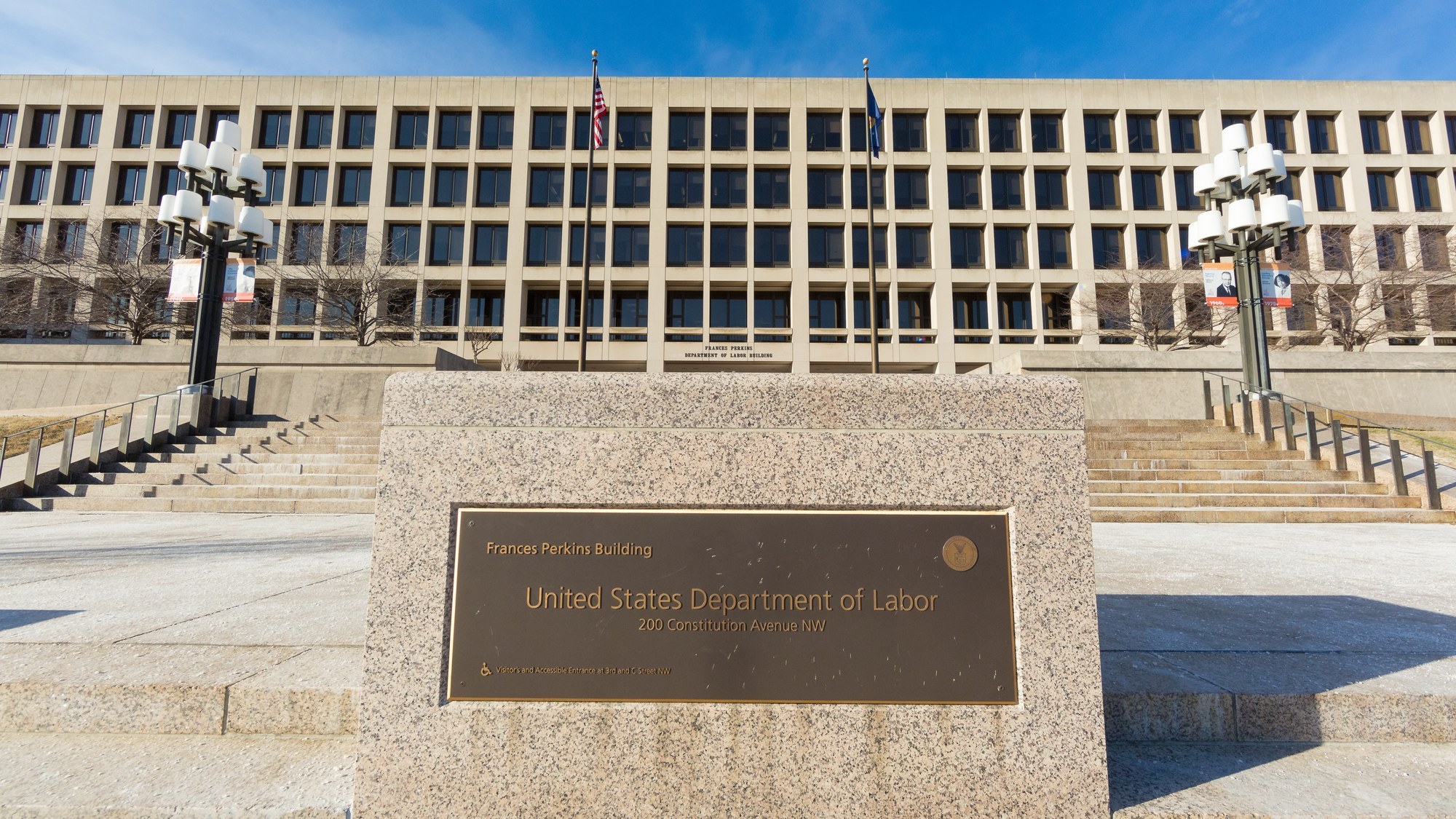
The Bureau of Labor Statistics released its June Employment Situation report on July 2, 2026, and the headline number told a split story. While the broader economy added a modest 57,000 nonfarm jobs, the leisure and hospitality sector moved sharply in the opposite direction. The BLS stated that leisure and hospitality employment declined by 61,000 in June, “reflecting weaker than usual seasonal hiring.” That language is precise: the figure is seasonally adjusted, meaning the decline does not simply reflect normal summer patterns. It represents a shortfall below what the economy typically delivers during this period.
The practical question is whether fewer workers on hotel floors and restaurant lines will translate into lower tax collections for state and local governments that rely on travel-related revenue. Lodging taxes, restaurant meal taxes, and amusement levies all track closely with employment levels in these industries. If establishments hired fewer people because they expected fewer guests, or because they could not fill positions at current wages, either explanation points toward softer consumer spending in the sector during the third quarter. State comptrollers and budget offices that built revenue forecasts around a normal summer hiring curve now face a gap they will need to reconcile when Q3 receipts arrive in the fall.
Tourism-heavy states are particularly exposed. A thinner roster of front-desk clerks, housekeepers, servers, and event staff usually means fewer occupied rooms, fewer covers, and fewer ticketed shows. Even if some businesses manage to maintain revenue by asking remaining employees to work longer hours, governments collect payroll taxes on jobs, not on hypothetical shifts that never get posted. A shortfall of 61,000 positions, sustained over several months, can compound into millions of dollars in forgone income-tax and sales-tax revenue just as local officials finalize next year’s budgets.
What the BLS payroll data actually measures and what it leaves out
The 61,000 figure comes from the Current Employment Statistics program, an establishment-level survey that counts payroll jobs at workplaces rather than counting individual workers. That distinction matters. A person who lost a part-time restaurant shift does not show up the same way in the CES data as someone laid off from a full-time hotel management role. The survey captures place-of-work employment, and BLS seasonal-adjustment procedures strip out predictable calendar effects so that the remaining change reflects genuine economic movement. Independent researchers can verify the industry-level components through the CES data files that the agency publishes alongside each monthly release.
Seasonal adjustment itself is not a cosmetic tweak but a formal statistical process. Using historical patterns, BLS analysts estimate how much employment would normally rise or fall in a given month and then remove that expected component. The goal is to isolate changes that are unusual for the time of year. Technical notes on seasonal adjustment methods explain how factors such as holidays, school schedules, and weather are accounted for in the models that generate the adjusted series.
What the June report does not include is equally important. The BLS release provides no breakdown between hotels and restaurants within the leisure and hospitality supersector in the headline tables. There is no state-by-state or metro-level detail in the national summary, so it is not yet clear whether the losses concentrated in a few tourism-dependent regions or spread more broadly across the country. Hours worked and average hourly earnings for the sector are also absent from the cited figures. Without those measures, analysts cannot determine whether the remaining workers picked up extra shifts to compensate or whether total labor input to the industry fell even more steeply than the headline job count suggests.
Open questions after a weak June hiring season
Several gaps in the evidence limit how far any conclusion can stretch. No employer statements or worker interviews appear in the BLS data, so the cause of the hiring shortfall is still a matter of inference rather than documentation. One possibility is that businesses saw advance bookings, reservations, and ticket sales soften and chose to staff conservatively. Another is that employers attempted to hire but could not attract enough applicants at prevailing wages and schedules, leaving posted positions unfilled. The aggregate payroll numbers alone cannot distinguish between a demand-side slowdown and a supply-side constraint.
Timing is another unresolved issue. A single weak month could prove to be an outlier if July and August bring stronger hiring as delayed travel plans materialize. Alternatively, June could mark the start of a more persistent downshift in leisure activity, especially if households facing higher living costs decide to cut back on discretionary trips and nights out. The lag between employment changes and official revenue data means that state and local officials will not know which scenario they are facing until well into the fall.
For now, the 61,000-job decline stands as an early warning signal rather than a definitive verdict on the summer season. It tells policymakers and business owners that the usual playbook-counting on a reliable wave of seasonal hiring to carry budgets through the year-may not hold. As more detailed industry, regional, and hours-worked data become available in subsequent releases, analysts will be able to test whether June’s weakness was a brief misstep or the first sign that Americans are rethinking how much they are willing, or able, to spend on leisure.