The peace deal with Iran fell apart in late May 2026, and American drivers are paying for it. President Trump rejected Tehran’s latest response to a ceasefire proposal, ending weeks of back-channel diplomacy. Within hours, Brent crude jumped above $103 a barrel, as traders priced in the likelihood that Iranian oil would remain locked out of legitimate markets for the foreseeable future. The $103 threshold was widely reported during the trading session, though no confirmed settlement price has been published in the sources reviewed for this article.
For the typical American household, the war’s cumulative toll at the pump now runs close to $960 a year. That figure starts with the per-gallon price increase tracked by the U.S. Energy Information Administration. The EIA also publishes total U.S. product supplied of finished motor gasoline, a national demand proxy measured in thousands of barrels per day. Dividing that figure by the number of U.S. households counted by the Census Bureau yields a rough per-household consumption baseline of roughly 1,100 gallons per year, which aligns with the secondary estimates commonly cited by energy analysts. With the per-gallon increase running between $0.80 and $0.87 since the conflict began, the added annual cost lands near $960. Families with longer commutes or multiple vehicles are paying more; single-car households with fuel-efficient cars, less.
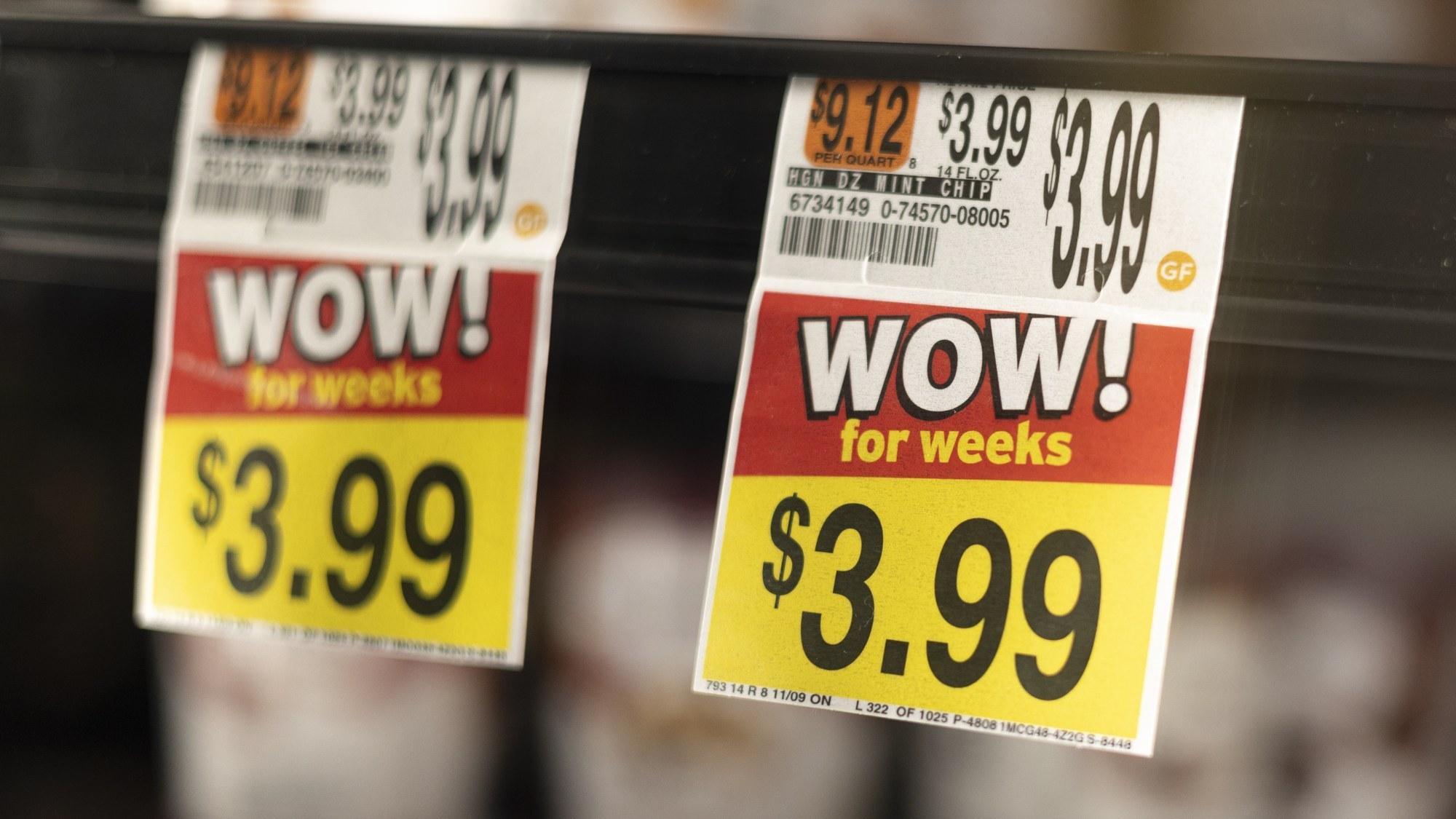
Before the peace talks collapsed, the national average for regular gasoline sat near $4.30 a gallon, according to the EIA’s weekly survey. By early June 2026, that average had climbed above $4.50 and was still moving. “We used to fill up both cars for under $120 a week. Now it is closer to $140, and we have started skipping weekend errands just to stretch the tank,” said a mother of two in suburban Dallas, describing a household budget that has been reorganized around the pump. That kind of arithmetic, roughly $80 more per month, is playing out in driveways across the country.
How the war filters into your gas tank
The chain from a failed diplomatic meeting to the number on a gas station sign is shorter than most people think. Iran ranked among the world’s top five crude oil exporters before the conflict, routinely shipping more than two million barrels a day, according to EIA international data. Since the war began, U.S. sanctions have targeted what the Treasury Department calls a “shadow fleet” of tankers suspected of moving Iranian barrels to buyers in Asia. The Department of Justice has also pursued civil forfeiture actions against millions of dollars in funds allegedly tied to Iranian oil smuggling networks. Each enforcement action pulls supply out of a global market that was already tight, and traders respond by bidding up the barrels that remain.
The EIA’s published methodology for its weekly retail price survey covers stations nationwide, includes all taxes, and is designed to reflect what drivers actually pay. When those weekly snapshots are lined up against the documented timeline of the conflict, the pattern is hard to miss: prices climbed in step with each major escalation, from the initial strikes through successive sanctions rounds to the collapse of talks in late May 2026.
The Bureau of Labor Statistics tells the same story from a different angle. Gasoline is one of the most volatile components of the Consumer Price Index, and the Federal Reserve Bank of St. Louis publishes a monthly consumer gasoline price series, sourced from BLS data, that confirms the broad upward move since fighting began. Over the past year, fuel costs have been one of the single largest contributors to headline inflation.
What the $960 estimate does and does not capture
The per-gallon price increase is drawn directly from EIA survey data and is on firm ground. The household consumption figure is less exact. The EIA’s product-supplied series and the Census Bureau’s household count provide a government-data baseline, but the resulting per-household number is an approximation, not a precise accounting. Vehicle efficiency, commute length, and household size all shift the real figure in either direction.
It is also worth noting that the Iran conflict is not the only force pushing prices higher. Refinery maintenance seasons, summer fuel-blend requirements, and OPEC+ production decisions all play roles. The timing of the Brent surge above $103, coming within hours of the peace deal’s collapse, strongly suggests a conflict-driven shock. But energy markets are layered, and no single variable explains everything.
The comparison families are already making
The national average briefly topped $5 a gallon in June 2022, after Russia’s full-scale invasion of Ukraine. The current situation has not reached that peak, but the trajectory is pointed in the wrong direction, and the conflict shows no sign of winding down. In 2022, the Biden administration responded by releasing oil from the Strategic Petroleum Reserve and pushing for a federal gas tax holiday. So far, the current White House has not publicly outlined a strategy for easing fuel costs since the ceasefire talks collapsed. Administration officials have framed the broader Iran policy as necessary to counter what they describe as Tehran’s nuclear ambitions and regional aggression, but no public statement has addressed whether higher pump prices are viewed as an acceptable trade-off. On Capitol Hill, members of both parties have called for action: some Republican lawmakers have urged faster permitting for domestic drilling, while several Democratic senators have pressed for a renewed push toward diplomacy and a suspension of the federal gas tax. Neither effort had advanced to a floor vote as of early June 2026.
“Every week I watch the price on the sign go up another few cents, and I think, somebody in Washington has to notice this,” said Tom Brennan, a long-haul delivery driver based outside Atlanta who estimates the conflict has added more than $4,000 a year to his fuel costs. For families and small operators alike, the squeeze is real and growing.
OPEC+ members, meanwhile, have signaled caution about adding barrels, preferring to keep prices elevated rather than flood a market they view as uncertain. If negotiations resume or sanctions enforcement softens, some of the risk premium baked into crude could unwind quickly; traders reprice on good news just as fast as on bad. But any escalation that threatens physical oil infrastructure near the Strait of Hormuz, through which roughly a fifth of the world’s petroleum passes daily according to the EIA, could push prices sharply higher still.
What happens to the $960 if diplomacy stays frozen
The added cost American families are absorbing is verified in its direction, significant in its scale, and genuinely uncertain in its duration. Whether that $960 figure shrinks or grows depends on whether ceasefire talks restart, whether OPEC+ changes course, and whether domestic policy offers any relief at the pump. None of those outcomes appear close, and none of them are under the control of the driver watching the numbers spin on the gas station display.