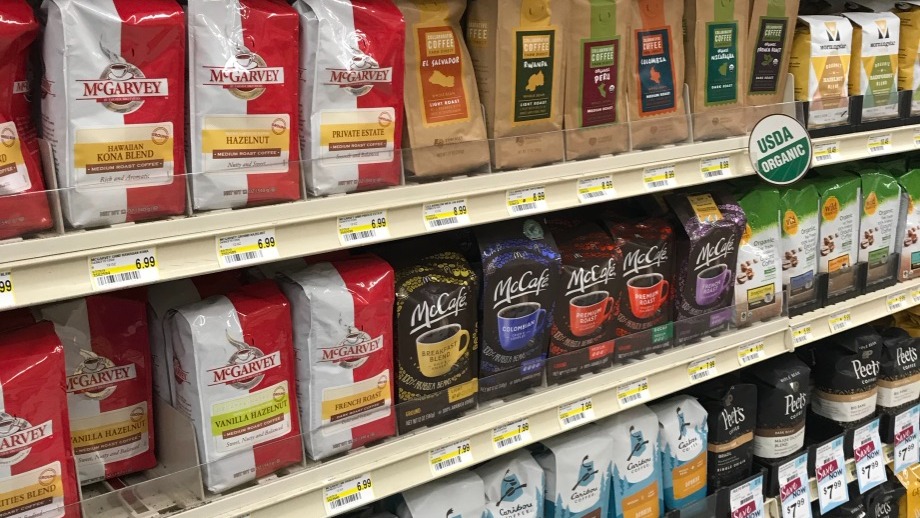
Americans buying coffee, tea, juice, and other nonalcoholic beverages at the grocery store face a 5.2 percent price increase this year, according to the latest federal forecast. The jump, driven largely by higher import costs after the White House amended reciprocal tariffs on shipments from China in April 2025, is already showing up in monthly inflation data. For a household that spends roughly $30 a week on drinks, that translates to an extra $80 or more over the course of 2026.
Tariff policy and the 5.2 percent beverage forecast
The USDA Economic Research Service published its Food Price Outlook with a June 2026 forecast update, last refreshed on May 22, 2026. That forecast includes a 5.2 percent figure for the nonalcoholic beverages category, placing it among the food groups expected to rise faster than historical averages this year. The projection forms part of a broader set of estimates the agency uses to flag which grocery categories are likely to put the most pressure on household budgets, and nonalcoholic drinks now sit near the top of that list.
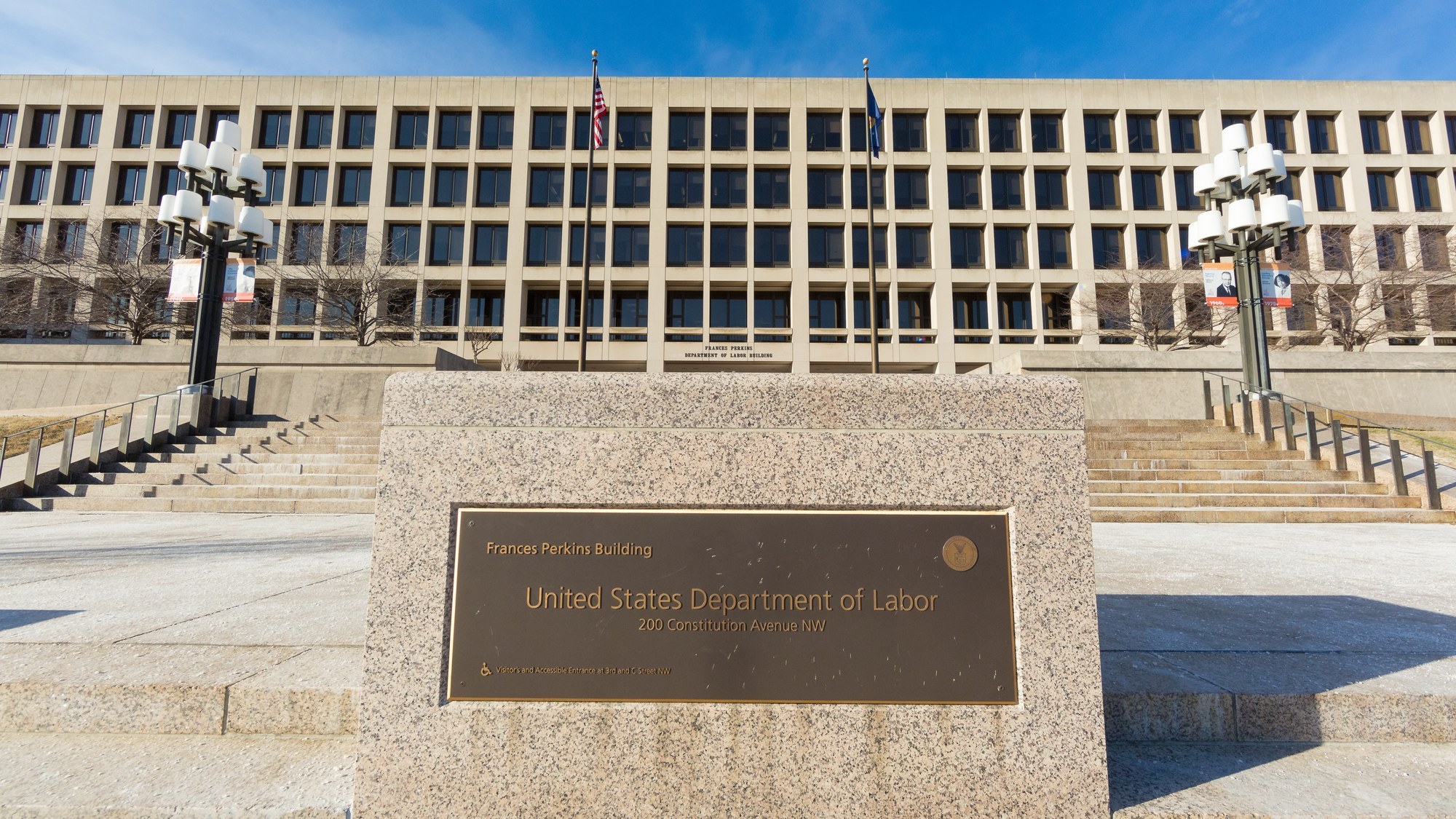
The cost pressure traces back to a presidential action issued in April 2025. The White House released an amendment to reciprocal tariffs referencing Executive Order 14257, updating duties on low-value imports from China. Coffee, tea, and beverage ingredients that pass through Chinese processing or packaging channels now carry higher landed costs for U.S. importers. Those costs flow downstream to roasters, bottlers, and retailers, and eventually to the price tags consumers see on shelves.
The Bureau of Labor Statistics has been tracking the results in real time. Its Consumer Price Index release for May 2026 includes a dedicated line for “nonalcoholic beverages and beverage materials,” and the 12‑month changes recorded in that category confirm faster‑than‑average gains compared with the broader food index. The CPI tables show that drink prices have moved ahead of overall inflation more often than not since the tariff amendment took effect, suggesting that import‑linked costs are filtering through the supply chain rather than being fully absorbed by producers.
Coffee falls under Harmonized Tariff Schedule code 0901, a classification maintained by the U.S. International Trade Commission, and importers must now stack the new reciprocal rates on top of any existing baseline duties tied to that code. Tea and certain concentrates sit under nearby HTS headings and face similar treatment when they move through Chinese ports or facilities. For large beverage companies that rely on global sourcing and contract packers in Asia, the tariff shift has altered where they buy, how they ship, and how much working capital they need to keep inventories flowing into U.S. warehouses.
Whether the 5.2 percent forecast captures the full hit
The USDA’s 5.2 percent projection is an aggregate annual estimate. It blends months when tariff effects had not yet reached store shelves with months when the full cost increase was being passed through. That averaging effect raises a real question: the actual 12‑month percent change in the nonalcoholic beverages index could end up higher than 5.2 percent once complete 2026 data are available, because the second half of the year will reflect a longer period of elevated import costs.
Several gaps in the public record make it hard to pin down the exact magnitude. No line‑item duty tables have been published showing the precise post‑amendment tariff rates for HTS 0901 coffee or HTS 0902 tea codes. The USDA forecast does not include a monthly crosswalk that would let analysts isolate how much of the price increase comes from tariffs versus other factors such as shipping costs, weather‑related crop issues, or shifts in consumer demand toward higher‑priced specialty drinks. Without that detail, economists are left inferring the tariff component from timing: the acceleration in beverage inflation coincides closely with the implementation of the new duties.
Another complication is substitution. Retailers can swap in products sourced from regions not covered by the amendment, and manufacturers can reformulate blends to rely less on ingredients routed through Chinese facilities. Those changes may blunt some of the upward pressure on prices, but they also take time and can introduce new costs of their own, from renegotiating contracts to retooling packaging and labels. As a result, there may be a lag before any offsetting effects show up in the CPI data.
For now, the agencies involved are offering only high‑level guidance. The USDA continues to frame its 2026 outlook as subject to revision as more monthly price readings arrive, and the White House tariff notice points to broader trade and industrial policy goals rather than specific consumer impacts. That leaves households and small businesses to navigate the practical consequences on their own: higher grocery receipts, tighter margins for cafes and restaurants, and more pressure on low‑income families that already devote a larger share of their budgets to food and beverages.
Whether the final 2026 numbers land exactly on the 5.2 percent forecast or edge higher, the direction is clear. Policy changes that raise the cost of imported beverage ingredients are showing up in supermarket aisles, and the cumulative effect over a year is meaningful. For coffee drinkers topping off a daily habit and parents stocking juice boxes for school lunches, the tariff amendment is no longer an abstract line in the Federal Register; it is embedded in every checkout total.