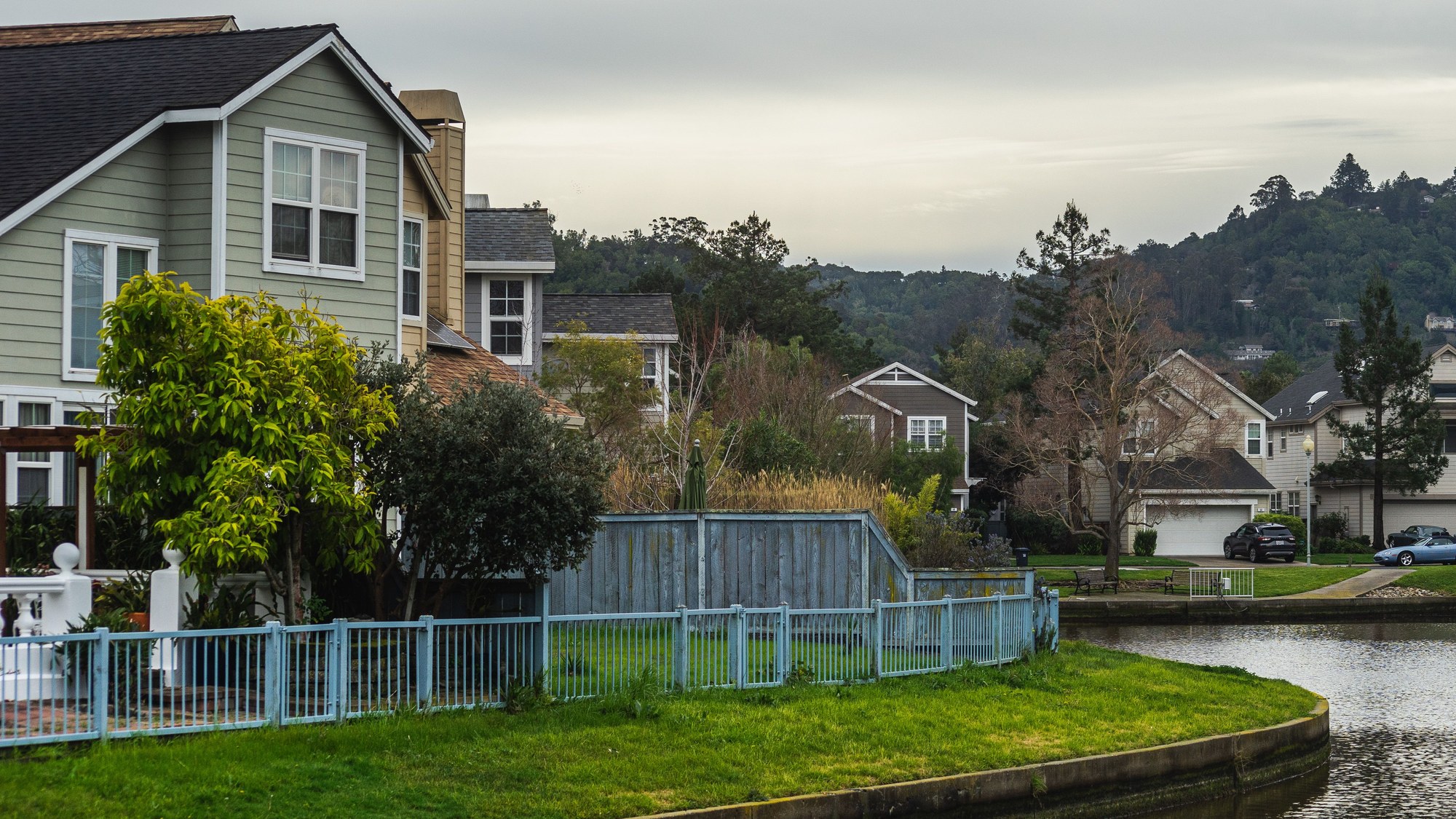
California homeowners will pay roughly 16 percent more for insurance by the end of 2026, the steepest projected increase of any state in the country. The spike follows a national average jump of 12 percent in 2025 and dwarfs the 4 percent rise forecast for the rest of the United States this year. Behind the numbers, state regulators and the largest property insurer in California have been locked in a fast-moving series of rate proceedings, settlements, and refund negotiations that will shape what millions of policyholders owe when their next renewal arrives.
Why a 16 percent jump hits harder than any other state
The gap between California and the national forecast is stark. While the typical American homeowner can expect a 4 percent premium increase in 2026, California residents face a rate climb four times that size, according to Insurify’s projections. That makes California the fastest-rising state in the company’s dataset, a distinction tied to the state’s concentrated wildfire exposure and the cost of reinsurance that carriers purchase to cover catastrophic losses.
The practical effect for a household already stretched by high housing costs is immediate. A homeowner paying $2,000 a year would face roughly $320 more by year’s end under the projected increase. For borrowers with escrow accounts, the adjustment flows directly into monthly mortgage payments, often with little advance warning beyond a revised annual statement. The question regulators face is whether approving higher rates keeps insurers writing policies in fire-prone areas or simply prices residents out of coverage altogether.
Unlike smaller premium adjustments that can be absorbed quietly, a double‑digit jump forces financial trade‑offs. Some owners may raise deductibles or drop optional coverages to keep bills in check, potentially leaving themselves exposed after a major loss. Others could delay maintenance or upgrades that might otherwise reduce risk, such as replacing an aging roof or creating defensible space around a home in the wildland‑urban interface. The long‑term concern is that premium shock, layered on top of mortgage payments, taxes, and utilities, erodes overall housing affordability in a state already struggling with high costs.
State Farm proceedings reveal the regulatory pressure
The clearest window into how these increases take shape comes from the State Farm rate case that has moved through the California Department of Insurance over the past year. Commissioner Ricardo Lara adopted a judge’s ruling on State Farm’s emergency request, approving an interim homeowners rate increase that differed from what the company originally sought. The proceeding balanced two competing demands: keeping State Farm solvent enough to continue offering coverage while shielding policyholders from costs the department considered excessive.
That interim approval did not end the dispute. The Department of Insurance, Consumer Watchdog, and State Farm later reached a settlement agreement that modified the previously approved interim rates. The deal included specific percentage adjustments along with refund and interest provisions for policyholders who had already been charged the earlier interim amounts. The settlement signals that even approved rate increases remain subject to revision when consumer advocates and regulators push back on the underlying actuarial justifications.
The full detail behind these approvals sits in company filings housed in the CDI’s public filings portal, where actuarial memoranda, loss‑development exhibits, and requested rate levels are available for review. Those documents show how wildfire losses, rebuilding costs, and reinsurance expenses feed into the models that ultimately produce a new base rate. They also illustrate the role of assumptions: small changes in projected catastrophe frequency or claims severity can translate into millions of dollars in additional premium statewide.
What the settlement means for policyholders
For current State Farm customers, the settlement’s most concrete impact is the promise of recalculated bills. Policyholders who paid the higher interim amounts are expected to receive refunds with interest, reflecting the lower rates negotiated in the agreement. How quickly those credits appear will depend on implementation timelines and billing cycles, but the structure of the deal is designed to make customers whole for the difference between the original interim increase and the final approved level.
At the same time, the settlement still leaves rates higher than they were before the emergency filing, reinforcing the broader upward trajectory captured in statewide projections. Consumers may see a one‑time refund while also facing a permanently higher baseline premium going forward. For homeowners budgeting month to month, that combination can be confusing: a temporary credit might mask the underlying increase until the next renewal arrives without the offsetting refund.
The case also sets a precedent for how aggressively the Department of Insurance will scrutinize future filings. By revisiting an already approved interim increase and extracting concessions, regulators signaled that emergency conditions do not give insurers a blank check. Other carriers watching the outcome may adjust their own requests or prepare for more extensive negotiations, knowing that consumer advocates have successfully challenged actuarial assumptions in a high‑profile case.
Looking ahead to 2026 and beyond
California’s projected 16 percent jump in 2026 underscores a tension that is unlikely to fade: insurers insist they need higher rates to stay in markets exposed to wildfire and other climate‑driven risks, while homeowners and elected officials warn that unchecked increases will deepen the state’s affordability crisis. The State Farm proceedings offer a template for compromise, blending interim approvals with later adjustments, refunds, and closer review of catastrophe modeling.
Whether that model can keep pace with the pressures driving premiums higher remains uncertain. If losses continue to mount, more carriers could seek double‑digit increases, test the limits of regulatory tolerance, or restrict new business in the riskiest regions. For now, the combination of rising base rates, more intensive oversight, and occasional refunds leaves California homeowners navigating a volatile insurance landscape just as the cost of protecting their largest asset climbs faster than anywhere else in the country.