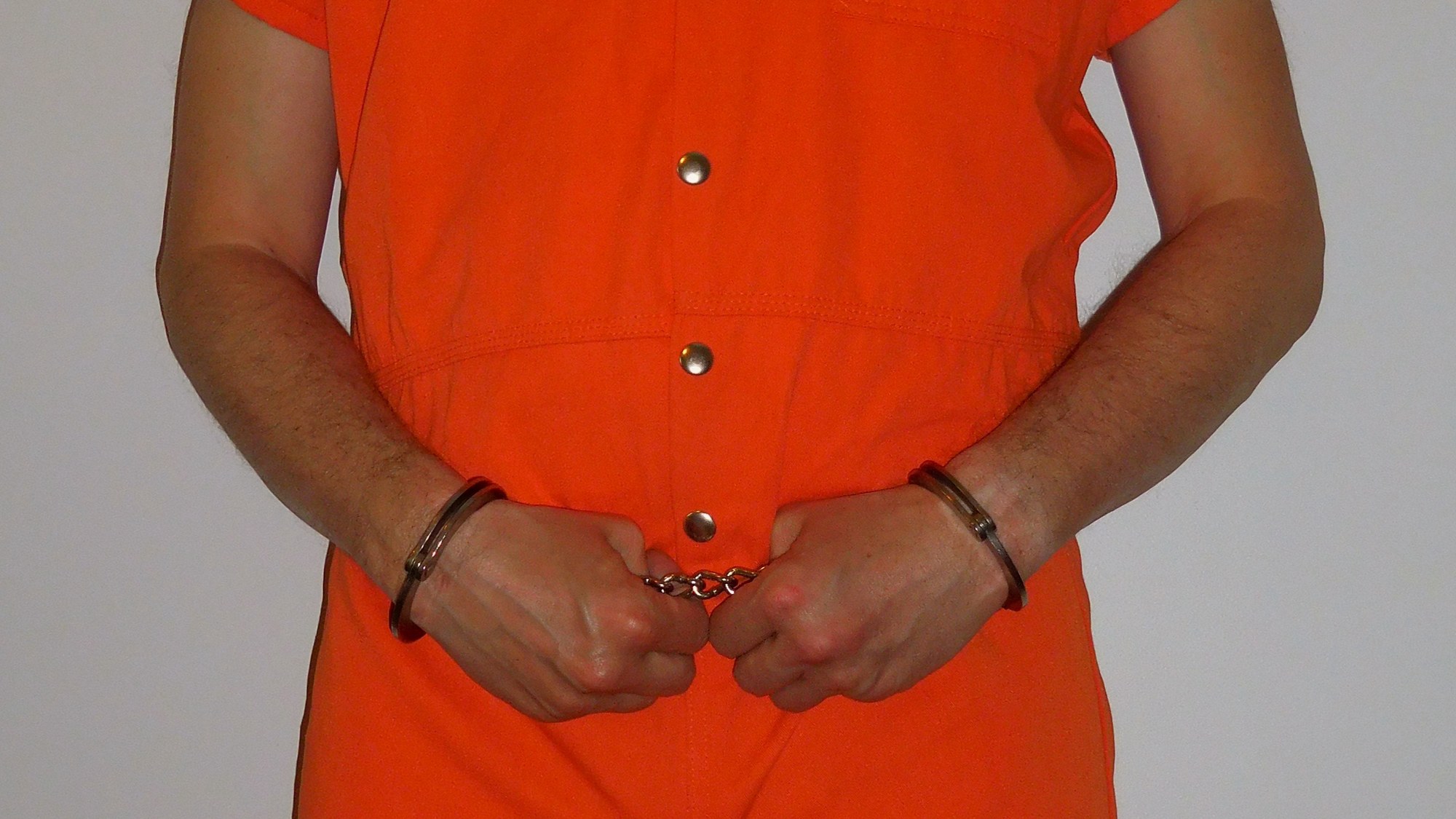
Hua Wang, the lead defendant in a multinational fraud and money laundering operation that caused $65 million in losses, pleaded guilty in federal court in San Diego. The scheme targeted elderly victims across multiple states through India-based call centers, crypto wallets, and fake identification documents. Ten co-defendants also entered guilty pleas, capping one of the largest elder fraud prosecutions to emerge from the Southern District of California.
How a $65 million call-center scheme exploited seniors across the U.S.
The scale of the operation sets it apart from isolated scam cases. Hua Wang and 10 others admitted to running a fraud ring that funneled about $65 million in stolen funds through layered laundering channels. Victims were elderly Americans spread across dozens of states, contacted by callers operating from overseas facilities who impersonated government officials or tech-support agents to extract payments.
According to prosecutors, callers typically began by triggering panic: warning of supposed Social Security suspensions, fabricated arrest warrants, or nonexistent computer viruses. Once victims were unsettled, the scammers walked them through transferring savings into accounts supposedly “safe” from hackers or law enforcement. In reality, those accounts were controlled by the conspirators, who quickly moved the money through a maze of domestic and international transfers, cash withdrawals, and cryptocurrency conversions.
Money mules inside the United States played a crucial role. Using counterfeit or fraudulently obtained identification documents, they opened bank accounts, received wire transfers, and withdrew cash in structured amounts designed to avoid bank reporting thresholds. Some funds were converted into digital assets, then broken into smaller transactions and routed through multiple wallets to obscure their origin before being cashed out again.
The Southern District of California has prosecuted multiple rings with strikingly similar blueprints. In a related case filed under docket 24CR1317-RSH, five Chinese nationals were indicted for scamming seniors out of more than $27 million. That prosecution and the Wang case share the same federal jurisdiction and target the same demographic, raising a direct question: are independently charged rings drawing on the same overseas infrastructure?
A separate guilty plea by Zhao Wang in a $27 million fraud and money laundering scheme offers the clearest window into how these operations work. That case targeted over 2,000 seniors, relied on India-based call centers to make initial contact, and used crypto wallets and purchased fake IDs to move and disguise the proceeds. The mechanics described in court filings suggest a repeatable model: overseas call centers generate the fraud, while U.S.-based operatives handle the money trail.
In both the Zhao Wang and Hua Wang prosecutions, investigators described a division of labor that resembles a corporate supply chain. One cluster of actors handled victim outreach and scripts, another specialized in identity documents and bank accounts, and a third focused on moving money offshore. The repetition of this structure across separate indictments strengthens the theory that U.S.-based crews can plug into preexisting call-center and laundering services rather than building entire operations from scratch.
Parallel prosecutions point to shared call-center networks
The pattern extends beyond San Diego. A Washington Post investigation into a multimillion-dollar fraud probe in Maryland traced a web of scams back to call centers in India, documenting hundreds of victims and tens of millions in losses from a single regional cluster. The overlap in methods, geography of the call centers, and victim profiles suggests that a small number of India-based server farms may service multiple rings that U.S. prosecutors have charged separately.
Cross-referencing IP logs and crypto wallet clusters from the Southern District of California dockets with FBI Internet Crime Complaint Center data could test that theory directly. If wallet addresses or server identifiers recur across independently prosecuted cases, it would confirm that what appears as a series of distinct fraud rings is actually a shared supply chain. Federal prosecutors have not publicly disclosed whether such cross-case digital forensics are underway, but recent elder fraud cases increasingly reference blockchain tracing, large-scale subpoena returns from financial institutions, and coordination with overseas partners.
The implications for enforcement are significant. If multiple rings are drawing on the same call-center infrastructure, shutting down those hubs could disrupt a wide range of scams at once, from government impersonation to bogus tech support. It would also shift more attention to the vendors who sell victim lead lists, spoofing tools, and identity documents, rather than focusing solely on the front-line callers and domestic money mules who are easiest to arrest.
For seniors and their families, the Wang prosecutions underscore how professionalized these schemes have become. Callers often know a victim’s full name, address, and partial Social Security number before dialing. They can spoof government or bank phone numbers and maintain convincing websites or remote-access tools. Against that backdrop, experts urge simple defensive steps: hang up and call back using a verified number, refuse to move money into “safe” accounts on anyone’s instruction, and treat any demand for payment by cryptocurrency, gift card, or wire transfer as a red flag.
As the Hua Wang case moves toward sentencing, it illustrates both the reach of U.S. law enforcement and the limits of case-by-case prosecution. Individual defendants can be brought to justice, but the infrastructure that enabled them-overseas call centers, laundering networks, and digital payment channels-remains resilient. Whether investigators can map and dismantle that shared backbone will determine if the next wave of seniors faces the same risks, or a genuinely safer landscape.