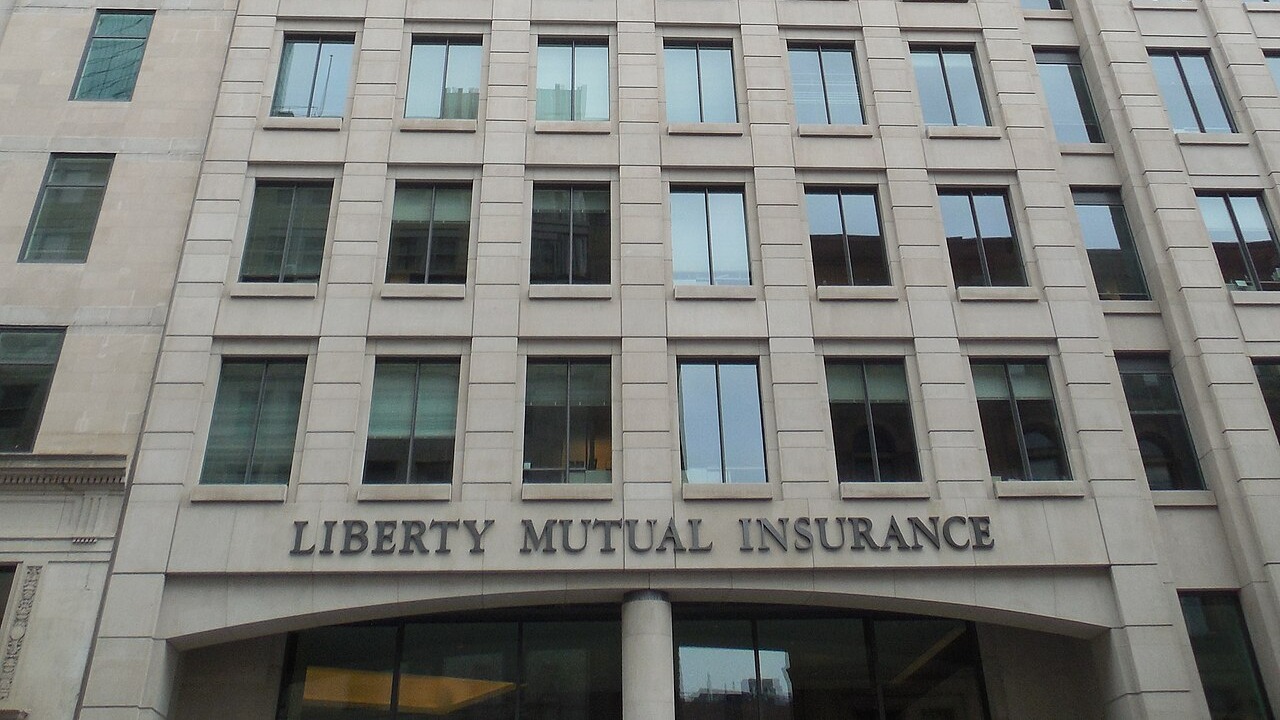
Current and former Liberty Mutual employees who saved through the company’s 401(k) plan stand to collect a share of $13.4 million after the insurer agreed to settle a class action alleging it overcharged participants on retirement plan fees. Former workers face a hard deadline: claims must be filed by August 22 or they forfeit any payout. The settlement, one of the larger recent resolutions in 401(k) fee litigation, puts a concrete dollar figure on the cost of excessive plan expenses and raises practical questions about whether enough eligible savers will actually file in time.
Why the $13.4 million settlement and August 22 deadline collide
The core tension is straightforward. Liberty Mutual has agreed to pay a $13.4 million sum to resolve the 401(k) class action, but the money does not distribute itself. Current employees with active accounts in the plan will likely receive their share through automatic adjustments. Former employees, by contrast, must take action on their own, and they face the August 22 filing cutoff to do so.
That split creates an asymmetry worth watching. Workers who left Liberty Mutual years ago may have outdated contact information on file with the plan administrator. They may have rolled old balances into IRAs or other accounts and lost track of the original plan entirely. Without direct outreach that actually reaches these people, a meaningful share of the $13.4 million could go unclaimed by the individuals who were harmed. Any surplus from unfiled claims would then be redistributed among remaining participants or returned according to the settlement terms, effectively rewarding those who stayed at the company and penalizing those who moved on.
The compressed timeline between settlement approval and the claims deadline suggests Liberty Mutual favored a faster resolution. Rapid closure limits the insurer’s ongoing legal exposure and administrative costs, but it also shrinks the window for former employees to learn about the settlement, verify their eligibility, and submit paperwork. For anyone who left the company more than a few years ago, the practical challenge is real: finding old plan statements, confirming participation dates, and filing before the cutoff all take time that the calendar may not provide.
What the 401(k) fee allegations actually involved
The class action centered on claims that Liberty Mutual allowed excessive fees inside its 401(k) plan, reducing the retirement balances of participants over time. In fee litigation of this kind, plaintiffs typically argue that a plan sponsor failed its fiduciary duty under the Employee Retirement Income Security Act by selecting or retaining investment options and service providers that charged more than comparable alternatives. Even small differences in annual expense ratios compound over decades of saving, turning fractions of a percentage point into thousands of dollars in lost growth per participant.
The negotiated settlement amount does not include an admission of wrongdoing by Liberty Mutual, which is standard in class action resolutions of this type. The dollar figure, however, signals that the allegations carried enough weight to make an eight-figure payout preferable to continued litigation. For context, 401(k) fee cases have produced settlements ranging from single-digit millions to well over $100 million in recent years, depending on plan size and the scope of alleged overcharges, placing Liberty Mutual’s agreement in the mid-range of modern fiduciary suits.
Although the lawsuit focused on a single employer plan, the themes are familiar across the retirement industry. Participants often have little visibility into what they pay for recordkeeping, investment management, and advisory services. Plan sponsors, meanwhile, are expected to benchmark those costs regularly and negotiate down fees as plan assets grow. When that process breaks down-or when sponsors rely too heavily on legacy vendors-participants can end up paying materially more than investors in comparable institutional funds.
How former employees can protect their stake
For former Liberty Mutual workers, the priority is confirming whether they are part of the settlement class and, if so, submitting a claim before August 22. Notices are typically mailed or emailed based on the last known contact information in plan records. Anyone who suspects they were in the plan but has not received a notice should track down old pay stubs, W-2s, or account statements and contact the settlement administrator listed in court documents. Waiting for a second reminder risks running out the clock.
The mechanics of the payout will vary by participant. Current employees generally receive automatic credits to their 401(k) accounts, with no action required. Former employees, however, usually must choose whether to receive a check, a direct deposit, or a rollover into another retirement account. Those decisions have tax implications: a direct cash payment may be taxable in the year received, while a direct rollover can preserve the tax-deferred status of the funds.
Beyond the immediate settlement, the case is a reminder for all retirement savers to scrutinize fees in their own plans. Participants can review plan disclosures, compare the expense ratios of their funds to low-cost index alternatives, and ask plan sponsors pointed questions when costs appear out of line. Tools and guidance from providers and independent resources, including institutional-style research support, can help workers benchmark what they pay against industry norms.
As the August 22 deadline approaches, the Liberty Mutual settlement underscores a broader reality: legal victories over excessive 401(k) fees only translate into meaningful relief if affected participants are informed and engaged. For former employees in particular, the difference between acting and ignoring a mailed notice could amount to hundreds or even thousands of dollars in retirement savings restored-or permanently lost.
Free tool for readers: Most people don’t find out they’re off track until it’s too late. You can see where your retirement stands with a free Retirement Safety Score in about five minutes — no sign-up required to see it.