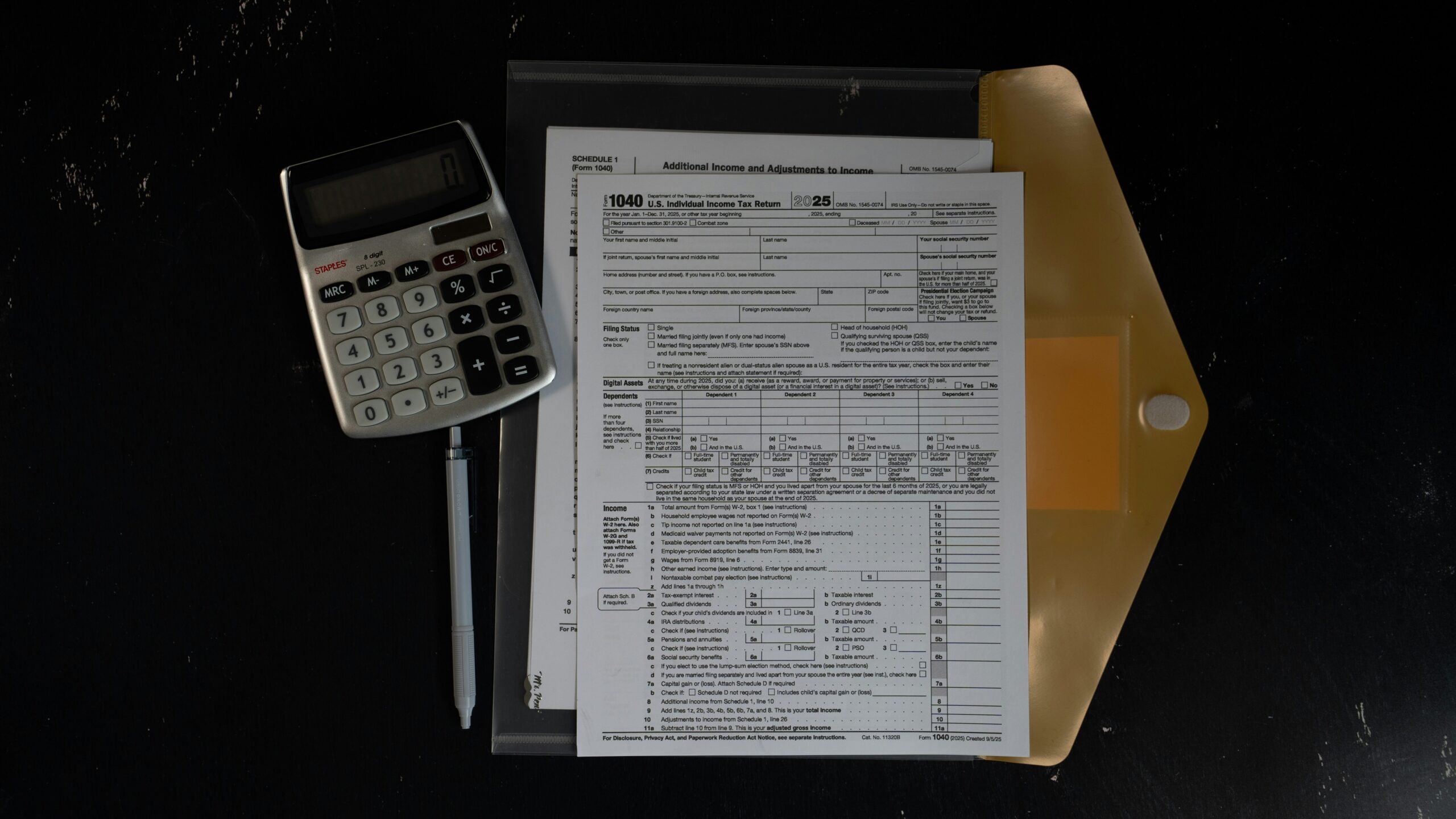
Families settling estates in Kentucky, Maryland, Nebraska, New Jersey, and Pennsylvania face a cost that heirs in the other 45 states do not: a state-level inheritance tax applied directly to the people who receive assets from a deceased person. Each of these five states maintains its own rate structure, beneficiary classifications, and filing requirements, creating a patchwork of obligations that can reduce what surviving relatives actually keep. The persistence of these taxes, even as the federal estate-tax exemption has climbed well above most family estates, puts real dollars at stake for heirs right now.
Why these five inheritance taxes still hit heirs in 2026
An inheritance tax differs from an estate tax in one direct way: it is charged to the person receiving the assets, not to the estate itself. The rate each heir pays typically depends on that person’s relationship to the deceased. Spouses and direct-line descendants often qualify for exemptions or lower rates, while siblings, nieces, nephews, and unrelated beneficiaries can owe substantially more. That structure means two heirs of the same estate can face very different tax bills based solely on how closely they were related to the person who died.
Nebraska’s system adds a layer that helps explain why repeal efforts stall. The state’s inheritance tax is administered at the county level by county courts and county treasurers rather than by a central state agency. Counties collect the revenue and distribute it locally, which means the tax functions as a stable, non-property-tax funding stream for local government. Eliminating it would force counties to find replacement revenue or cut services, giving local officials a direct financial reason to resist repeal. That dynamic creates slower legislative momentum compared to states where the tax feeds a single state general fund.
How each state structures the tax on inherited assets
Kentucky’s inheritance tax applies to both resident and nonresident decedents who owned Kentucky-situs property. The Kentucky Revised Statutes set out beneficiary classes and corresponding rate schedules, with section 140.070 specifying how rates escalate based on the heir’s class. Surviving spouses and certain close relatives are exempt, but more distant relatives and non-family beneficiaries can face meaningful tax liability on the value they receive. The Kentucky Department of Revenue provides practical guidance and forms for this levy through its dedicated inheritance tax portal, which outlines who must file, applicable exemptions, and deadlines.
Maryland’s Register of Wills distinguishes between exempt transferees and taxable collateral heirs. The state’s Tax-General code section 7-203 spells out which transfers are exempt from the inheritance tax and which trigger liability. Spouses, children, and certain other close relatives are generally excluded, while more remote beneficiaries can face tax on what they receive. Maryland is also one of only two states that impose both an inheritance tax and a separate estate tax, so some larger estates may confront two layers of state-level death taxation before assets reach beneficiaries.
Nebraska’s statute defines “immediate relatives” who qualify for exemptions and sets the rate framework for everyone else. The legislature’s statutory language establishes who is subject to the tax and under what conditions, with county courts handling the actual determination and collection. Because administration is localized, heirs often work directly with county officials to value assets, apply appropriate exemption thresholds, and compute the tax due, rather than dealing with a statewide revenue department.
New Jersey’s Division of Taxation runs its inheritance tax through a dedicated unit that classifies beneficiaries into several categories, with close relatives such as spouses and children exempt and others subject to graduated rates. The state also imposes a separate estate tax in certain circumstances, which can further complicate planning for larger estates that own New Jersey real property or have New Jersey-resident decedents. Filing typically involves submitting detailed schedules of assets, valuations as of the date of death, and documentation of each beneficiary’s relationship to the decedent.
Pennsylvania’s inheritance tax applies to most transfers of property from a deceased resident, and to Pennsylvania-situs property owned by nonresidents. The commonwealth uses different rates for lineal heirs, siblings, and other beneficiaries, with charitable organizations often exempt. Returns are usually due within nine months of death, and early payment discounts can apply. Because the tax is assessed on the share each beneficiary receives, estate executors must track distributions carefully to ensure the correct amount is withheld or collected from each heir.
Planning considerations for families and executors
For families in these five states, the presence of an inheritance tax reshapes how estate plans are drafted and how executors administer estates. Lifetime gifting strategies, beneficiary designations on retirement accounts and life insurance, and the choice of which assets go to which heirs can all affect the ultimate tax bill. In some cases, leaving more to exempt beneficiaries and using separate planning vehicles for non-exempt heirs can reduce overall liability.
Executors must also be attentive to procedural rules. Deadlines for filing returns, securing appraisals, and paying tax vary by state, and missing them can trigger interest and penalties that erode inheritances further. In Kentucky, for example, specific forms and instructions are detailed not only in statute but also in the Department of Revenue’s administrative guidance, while particular exemptions for agricultural or business property are addressed in provisions such as section 140.080. Similar technical rules appear in the codes of Maryland, Nebraska, New Jersey, and Pennsylvania, often requiring professional interpretation.
Although political pressure periodically surfaces to repeal or trim inheritance taxes, the revenue they generate for state and local governments, especially in Nebraska’s county-based system, makes abrupt change unlikely. For now, heirs in these five states must navigate an additional layer of tax complexity that their counterparts elsewhere avoid, making early planning and careful administration essential to preserving as much of a family legacy as possible.
Free tool for readers: Built for Americans 55 to 80: a free, plain-English retirement check. See your Retirement Safety Score — your 0–100 number and a few steps — in about five minutes, no account needed.