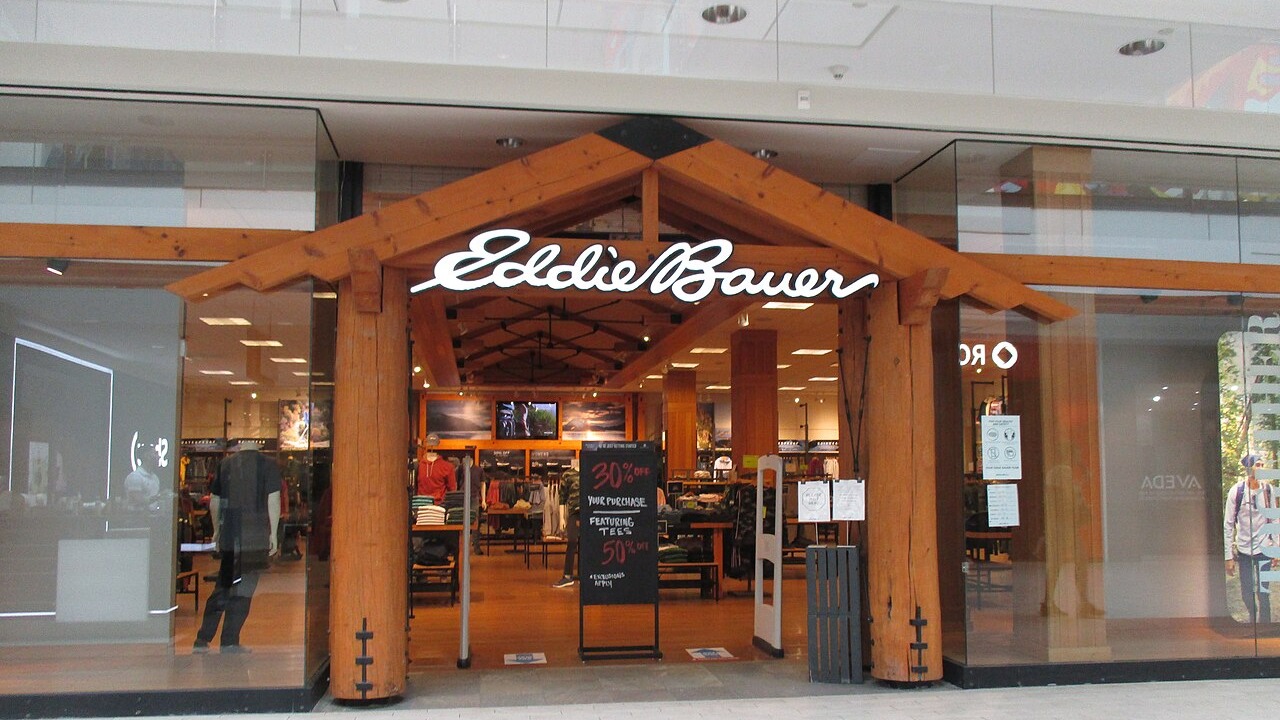
Eddie Bauer LLC, the operator of roughly 180 retail locations across the United States and Canada, filed voluntary Chapter 11 bankruptcy petitions in the U.S. Bankruptcy Court for the District of New Jersey. The company simultaneously entered a Restructuring Support Agreement with its secured lenders, a move designed to keep stores open while the retailer works through its debt obligations. The filing, tracked under lead case number 26-11422-SLM, places the century-old outdoor brand at a crossroads between preserving its brick-and-mortar presence and satisfying creditors who hold the financial leverage.
Why the Chapter 11 filing reshapes Eddie Bauer’s store network
The fact that Eddie Bauer LLC filed with lender backing rather than under duress from a single creditor action signals a negotiated process, not a free-fall collapse. A Restructuring Support Agreement typically locks in the broad terms of a reorganization plan before the debtor even enters court, which compresses timelines and reduces the uncertainty that can drive suppliers and landlords to pull back. For the roughly 180 stores operating under the Eddie Bauer LLC entity, the RSA means the secured lenders have already agreed to a framework for how debt will be treated, giving store-level employees and mall operators at least a short-term assurance that operations will continue during the case.
The speed at which unsecured vendor claims move through the court-appointed claims process will reveal whether this is a genuine restructuring or a managed wind-down dressed in reorganization language. If the claims portal shows a majority of unsecured retail-vendor claims resolved within 90 days of the first omnibus bar-date motion, the pattern would point toward rapid asset disposition rather than a prolonged effort to emerge as a going concern. That distinction matters for every supplier still shipping goods to Eddie Bauer warehouses and every landlord weighing whether to negotiate lease modifications or begin marketing vacant space.
RSA terms, court records, and what the docket shows so far
Eddie Bauer LLC’s company statement confirmed that the Chapter 11 cases were filed with the support of secured lenders through the RSA. The filing entity is specifically Eddie Bauer LLC, the licensed operator of U.S. and Canadian stores, a distinction that separates the store operations from the broader brand ownership structure. Court records in the District of New Jersey assign Stretto as the claims agent for the docket, meaning all creditor filings, schedules, and plan documents will flow through Stretto’s electronic portal.
Detailed financial statements, including asset valuations and full creditor claims schedules, have not yet appeared on the docket. The initial petition and RSA summary also lack store-level closure or retention lists, leaving landlords and local communities without clarity on which of the roughly 180 locations will survive the process. Similarly, the company announcement references both U.S. and Canadian stores but does not specify how Canadian creditors or regulatory requirements will be handled within the New Jersey proceeding.
Unanswered questions for vendors, employees, and landlords
For vendors, the central unknown is how much of their existing exposure will be treated as unsecured prepetition debt versus critical trade claims that might be paid sooner to keep the supply chain intact. Without schedules of assets and liabilities on file, suppliers cannot yet model likely recovery rates. Many will look to early motions seeking authority to pay key vendors as a signal of which relationships Eddie Bauer aims to preserve.
Employees face a different set of questions. The company has emphasized that stores remain open during the restructuring, but the absence of a published store list tied to the RSA leaves staff uncertain about long-term job security. In previous retail restructurings, decisions about underperforming locations often emerge only when a formal business plan or lease-rejection schedule is filed. Until then, hourly workers and store managers are effectively operating on rolling short-term assurances.
Landlords, particularly mall owners with multiple Eddie Bauer leases, must decide whether to grant rent relief or await more concrete signals from the court record. A landlord-friendly plan would typically prioritize assumption of leases at stronger centers while rejecting locations with chronic traffic or sales issues. Because no such assumptions or rejections have yet been proposed, property owners are left reading between the lines of first-day motions and any interim financing arrangements.
What Chapter 11 allows Eddie Bauer to do
Under U.S. bankruptcy law, a Chapter 11 filing creates an automatic stay that halts most collection efforts, lawsuits, and foreclosure actions, giving the debtor breathing room to negotiate with creditors. As outlined in federal bankruptcy basics, the company remains in possession of its assets as a “debtor in possession” and can continue operating while it proposes a plan to restructure its obligations. For a retailer, that typically involves evaluating store profitability, renegotiating leases, and potentially converting some secured debt into equity.
Eddie Bauer’s RSA suggests that major financial stakeholders have already agreed on a broad roadmap for that plan, even if the specific terms are not yet public. The agreement likely addresses how much debt will be reduced, what new capital-if any-will be injected, and who will own the reorganized business. The unanswered piece is how aggressively that roadmap contemplates store closures versus a leaner, but still national, footprint.
What to watch as the case unfolds
Several early milestones will help clarify whether Eddie Bauer is on a path to emerge as a going concern or is preparing an orderly wind-down. The first is the filing of schedules of assets and liabilities, which will reveal the scope of vendor, landlord, and tax claims. The second is any motion seeking approval of store closing sales, a clear sign that a subset of locations will not be part of the future chain. The third is the disclosure of key RSA terms in a plan support motion or draft plan of reorganization.
Until those documents surface, stakeholders are operating with more questions than answers. What is clear from the lender-backed filing is that Eddie Bauer has secured at least temporary runway to keep doors open while it tests whether a streamlined store network can support a sustainable capital structure. How the company uses that runway-and how patient its creditors remain-will determine whether this Chapter 11 becomes a turning point or an endpoint for one of North America’s best-known outdoor retailers.
Free tool for readers: You check your blood pressure — when did you last check your retirement? You can get your free Retirement Safety Score in about five minutes, with no sign-up to see it.