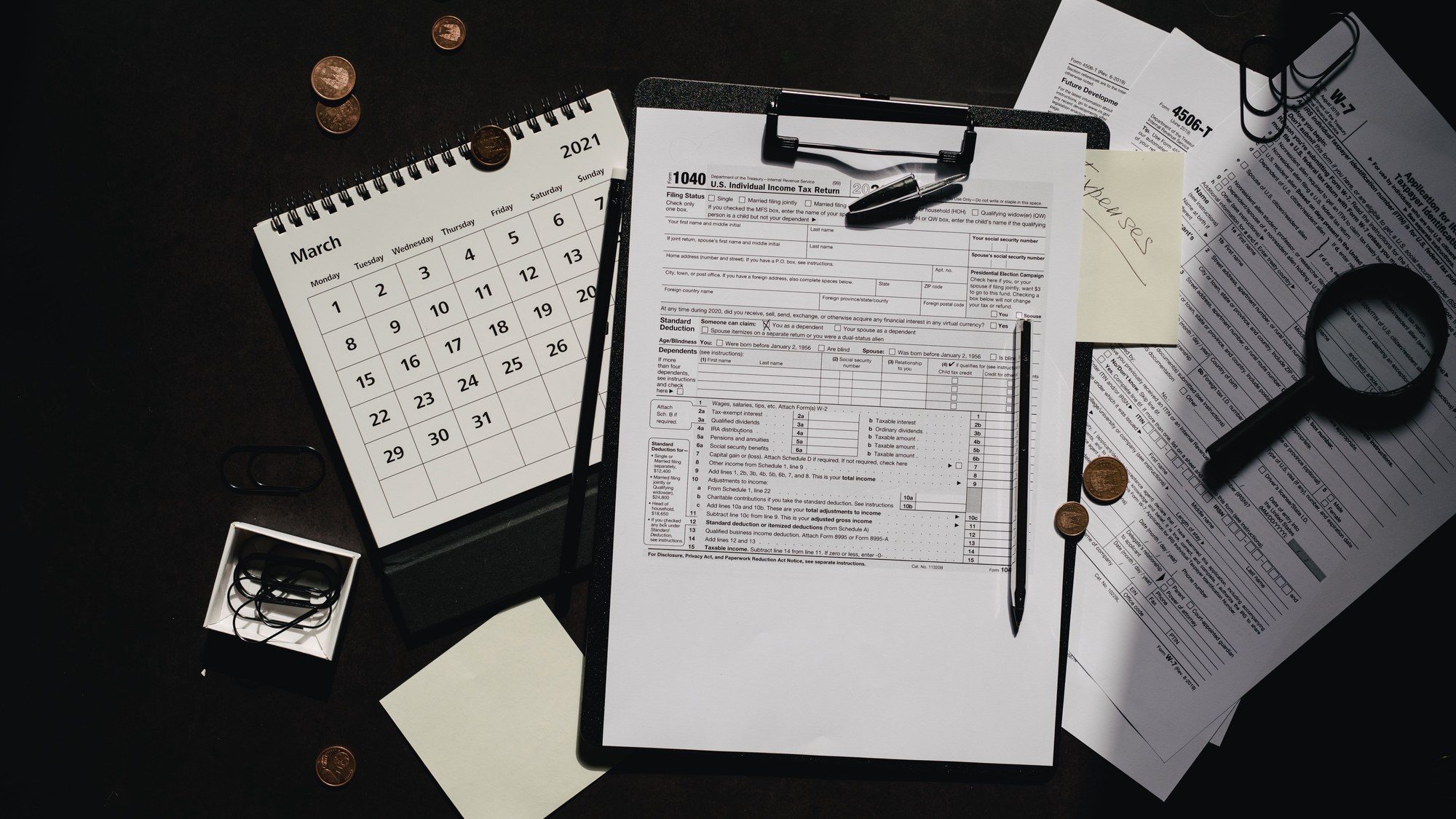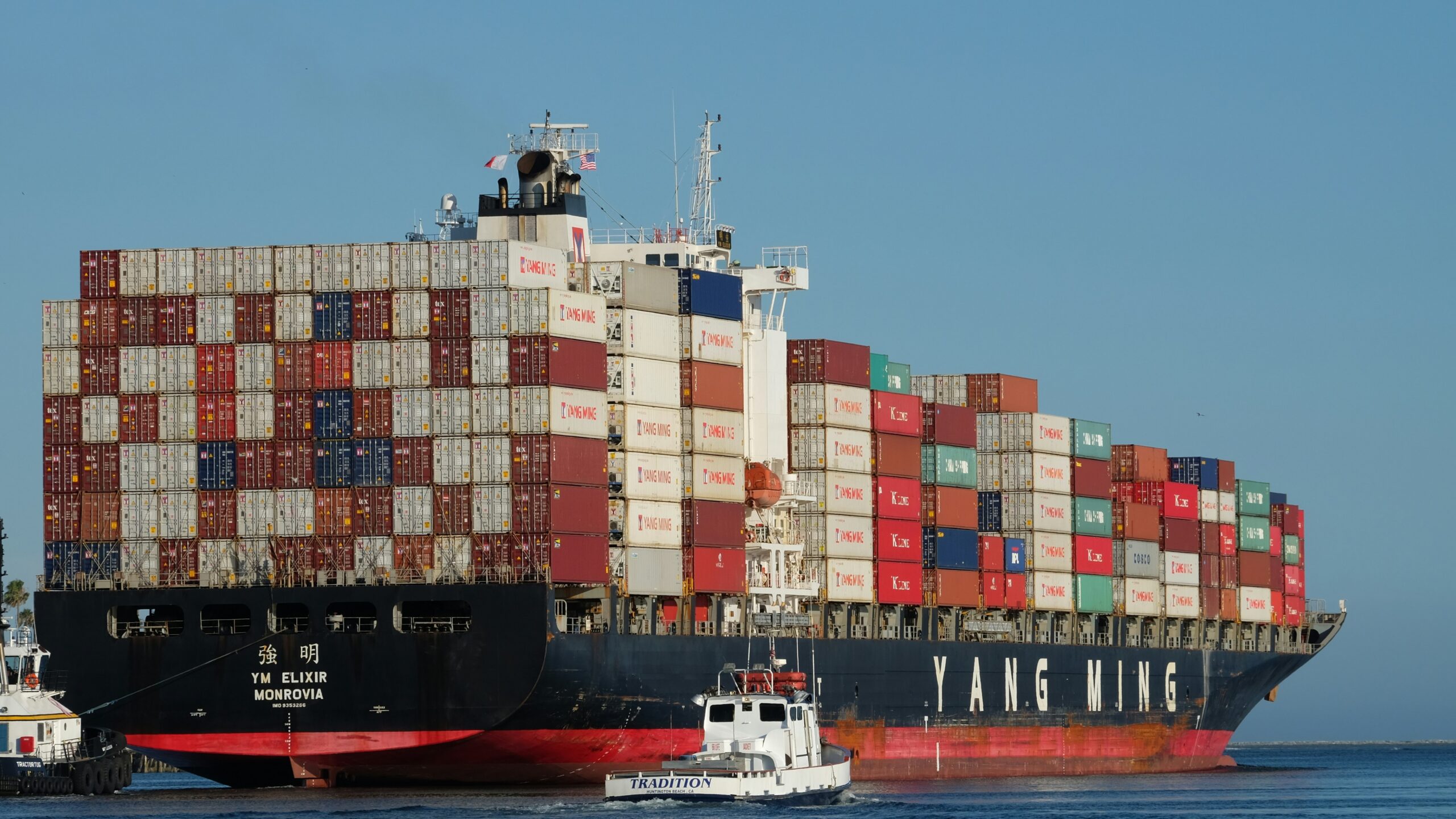
U.S. importers that paid tariffs later struck down by the Supreme Court are owed roughly $100 billion by the federal government, and the money is not arriving fast enough. Customs and Border Protection has accepted $85 billion in refund applications so far, but the Trump administration plans to appeal the court order that opened refunds to all affected companies. The gap between what importers are owed and what they have received is widening just as CBP rolls out a new processing system that has yet to prove it can handle the volume.
Why $85 billion in accepted claims still has not reached importers
After the Supreme Court struck down tariffs imposed under the International Emergency Economic Powers Act, CBP began accepting refund applications through its existing trade systems. According to recent court filings, the agency has taken in $85 billion worth of those applications. That figure represents the bulk of the estimated $100 billion obligation, but acceptance is not the same as payment. Companies that absorbed higher costs on imported goods for months or years are still carrying those losses on their balance sheets while Washington processes the paperwork.
The bottleneck intensified on April 20, 2026, when CBP deployed its new CAPE platform to handle IEEPA-related refunds. The system, known formally as the Consolidated Administration and Processing of Entries, routes claims through the ACE trade portal and pays out via ACH transfers. CBP published guidance on electronic enrollment steps importers must complete, but no public data yet shows how quickly CAPE is converting accepted applications into actual disbursements. The first two full quarters of CAPE operation, running from late April through the end of October 2026, will be the earliest window in which processing speed can be measured against the volume of pending claims.
For mid-size importers that lack dedicated customs teams, the shift to a new digital platform adds friction at the worst possible time. Companies must register through the ACE portal, verify banking details for ACH deposits, and confirm entry-level data before any refund can move forward. Each of those steps is a potential delay point, and the sheer scale of $85 billion in queued applications suggests that approval rates could lag well behind submission volumes during the transition period.
Trade attorneys say the agency is also under pressure to prevent erroneous or fraudulent claims. That means additional document requests, line-item reconciliations, and cross-checks against original entry records. For importers, each query from CBP can push a refund weeks or months further out, even when the underlying tariff has already been ruled unlawful. The result is a growing backlog of “accepted but unpaid” claims that offers little comfort to cash‑constrained firms.
The administration’s appeal and the budget hole it cannot close
The Trump administration is not simply writing checks. It plans to appeal the order that allowed all importers who paid the struck-down tariffs to seek refunds. If the appeal succeeds, the government could narrow the pool of eligible claimants and reduce the total payout. If it fails, the full obligation stands, and the Treasury must find the money.
That creates a two-front problem. On one side, importers face prolonged uncertainty about whether their approved applications will actually be honored. On the other, the federal budget absorbed tariff revenue that courts have now declared illegitimate. Returning that revenue means the government must either cut spending elsewhere, borrow more, or find replacement revenue. The administration is simultaneously racing to restore tariff barriers through other legal authorities, but any new levies would generate future revenue, not cover past obligations.
Budget analysts note that even a partial win on appeal would not erase the immediate cash-flow crunch for businesses. Many firms passed only a fraction of the tariff costs on to customers, choosing instead to compress margins to preserve market share. The expectation of eventual refunds informed those decisions. If the legal landscape shifts again, companies could be left having absorbed costs they can no longer recover, while customers have already moved on to new pricing baselines.
Supply chains caught between law and logistics
Supply chains that adjusted pricing, sourcing, and inventory strategies around the now-invalid tariffs are caught in the middle. Some importers shifted production to countries outside the tariff scope, signed long-term contracts at higher prices, or re-routed shipments through alternative ports to minimize exposure. Those changes are not easily reversed, even with the prospect of refunds. The uncertainty over timing and eligibility makes it risky to unwind contingency plans or renegotiate supplier agreements.
Retailers and manufacturers say the mismatch between legal rulings and refund execution is distorting planning cycles. Annual budgets that penciled in tariff reimbursements as a liquidity boost now have to be revised. Capital investments tied to that expected cash-new warehouses, automation projects, or expanded product lines-are being delayed until companies see money actually land in their accounts.
CBP officials emphasize that they are balancing speed with compliance, and the agency has urged importers to monitor official CBP guidance for updates on processing. But for businesses that have already waited through years of litigation, assurances about future efficiency are wearing thin. With $85 billion in claims accepted and tens of billions more potentially on the way, the collision of legal appeals, budget constraints, and untested technology is turning a courtroom victory into a slow-motion financial grind for U.S. importers.
Free tool for readers: Most people don’t find out they’re off track until it’s too late. You can see where your retirement stands with a free Retirement Safety Score in about five minutes — no sign-up required to see it.