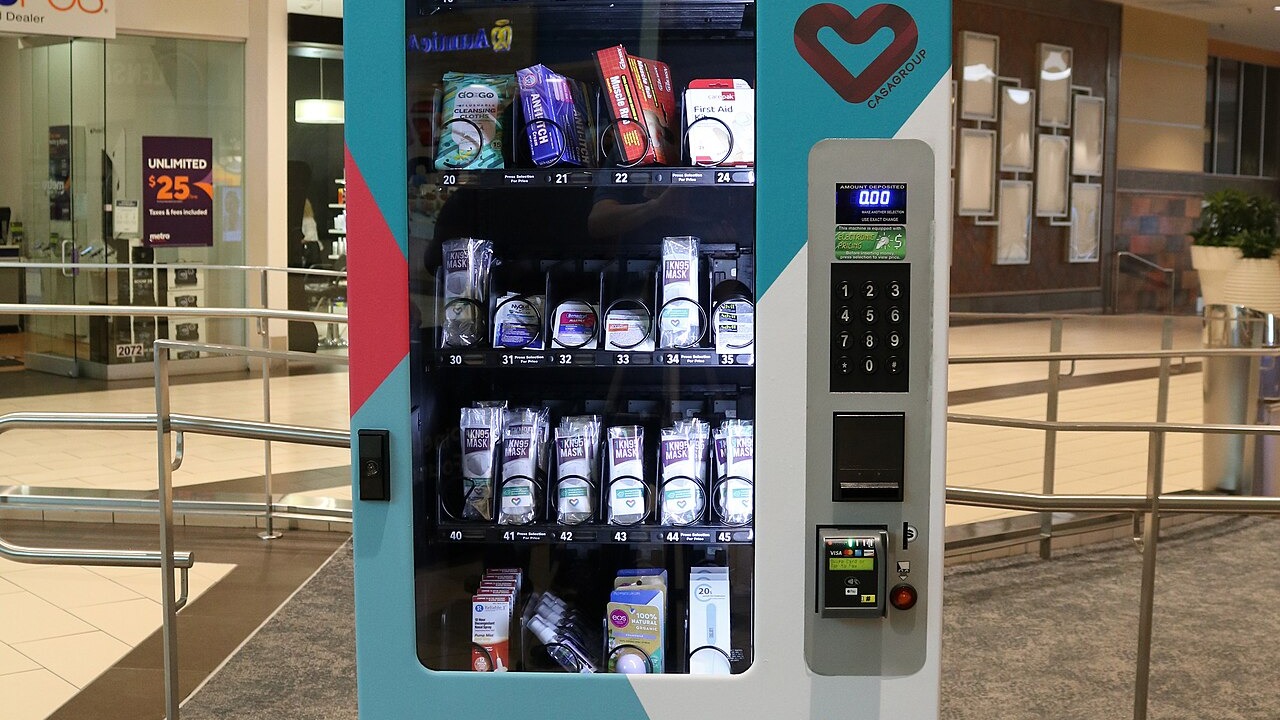
Canteen, one of the largest vending machine operators in the United States, has agreed to pay $6.94 million to resolve a class action lawsuit alleging it charged card-paying customers more than the price displayed on its machines. The settlement covers purchases made with credit, debit, or prepaid cards, and individual payouts range from $30 to $360 depending on the number of transactions a claimant can document. The case centers on a gap between what consumers saw posted on the machine and what their cards were actually charged.
Why the $6.94 million Canteen settlement matters for card-paying buyers
Vending machines process millions of small transactions every year, and most buyers never check a receipt because there usually is not one. That dynamic makes overcharges easy to miss on a per-purchase basis but significant when they accumulate across a large customer base. The Canteen case puts a dollar figure on that risk: $6.94 million set aside to compensate people who were billed amounts exceeding the posted price when they tapped or inserted a card.
The core allegation is straightforward. Customers expected to pay the price shown on the machine. The card-processing system collected a higher amount. Whether the discrepancy stemmed from a software configuration error, a lag in updating digital price files after physical labels changed, or some other technical cause has not been publicly detailed in the settlement materials. What the case establishes is that the mismatch happened often enough, and across enough machines, to justify a multimillion-dollar resolution.
One plausible explanation is a narrow technical gap between the prices programmed into the card reader and the prices printed on the machine’s display panel. Vending operators update pricing through back-end software, and if a price increase is pushed to the payment terminal before the physical label is swapped, or if the label is never updated at all, the customer sees one number and pays another. Verifying this would require comparing timestamped transaction logs against posted-price photographs from the same period, data that has not been made public.
Settlement terms and the $30 to $360 payout range
According to the official notice, anyone who made a purchase from a Canteen vending machine using a credit, debit, or prepaid card within the covered period is potentially eligible. Individual payments fall between $30 and $360, a range that likely reflects varying transaction volumes among claimants. Someone who bought a single snack would sit at the low end; a worker who used the same office vending machine daily for years could land closer to the top.
The settlement directs consumers to an official claims website where they can check eligibility, review the detailed instructions, and submit documentation. Claimants typically must provide basic contact information and, where available, proof of qualifying purchases such as card statements or transaction histories. While the process is designed to be accessible, those with more complete records are better positioned to substantiate higher-usage claims and potentially qualify for larger payments within the authorized range.
Canteen has not released a public breakdown of how many machines were affected, how many transactions are at issue, or what the average overcharge per purchase was. No statements from company executives or named plaintiffs have appeared alongside the notice, including on the company’s own media channel. The absence of those details leaves open questions about the scale of the problem and how long it persisted, even as the settlement provides a concrete avenue for compensation.
Open questions about affected transactions and filing deadlines
Several practical issues remain important for would-be claimants. First, the settlement documents define a specific class period, listing the earliest and latest dates on which purchases may qualify. Anyone who used a Canteen machine with a card should compare their transaction history against those dates. Second, the agreement sets a firm deadline by which claims must be filed; late submissions are generally rejected, even if the purchases themselves would otherwise qualify.
Another unresolved question is how the settlement fund will be distributed if claims exceed expectations. Class action settlements often include provisions allowing per-person payments to be adjusted downward if the total number of valid claims would otherwise exhaust the fund. Conversely, if participation is lower than anticipated, individual payouts can sometimes be higher than the initial estimate. The notice explains that administrative costs, attorneys’ fees, and service awards to class representatives will be deducted from the $6.94 million before payments are made.
Consumers who believe they are part of the class should rely on the official claims site and court-approved materials rather than third-party summaries or social media posts. Those materials, accessible through the settlement administrator and linked from authorized outlets such as distribution portals, provide the controlling definitions, deadlines, and instructions. Reading them carefully is the best way to avoid missing a step that could delay or invalidate a claim.
Beyond the immediate payments, the Canteen settlement underscores a broader lesson about card-based microtransactions. Even small discrepancies can add up when repeated across many purchases and many consumers, especially in environments where prices are posted casually and receipts are rare. For operators, the case is a reminder that pricing systems, labels, and payment terminals must stay synchronized. For consumers, it is an incentive to periodically scan card statements for patterns of minor overcharges that might signal a wider issue.
Free tool for readers: It’s free, takes about five minutes, and there’s no sign-up to see your result: get your free Retirement Safety Score — a 0–100 number plus a few personalized steps for making your money last.