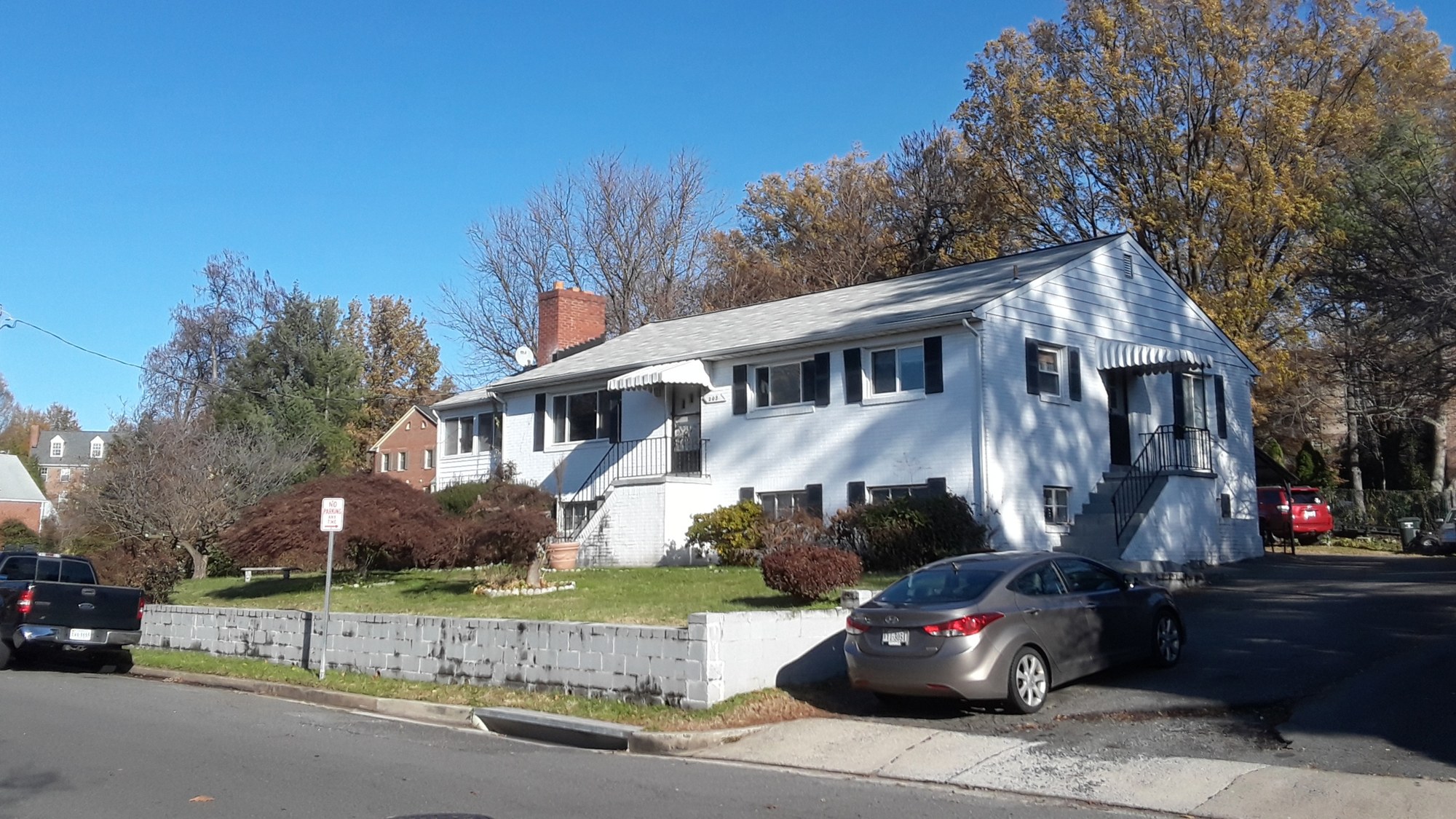
Roughly one in ten federally backed reverse mortgages is now in default, and the federal agency responsible for tracking those loans lost sight of nearly 13,000 of them. For seniors who took out Home Equity Conversion Mortgages, or HECMs, to age in place, a default triggered by unpaid property taxes or lapsed homeowners insurance can end in foreclosure and the loss of their home. The exposure tied to those untracked loans tops $2.5 billion in potential insurance claims, raising questions about whether the system meant to protect older homeowners is instead setting them up for displacement.
Nonbank servicer failures and the foreclosure pipeline
The conventional explanation for rising HECM defaults centers on borrower-side factors: fixed incomes that cannot keep pace with property-tax increases, or confusion about the obligation to maintain insurance. Those pressures are real. The Government Accountability Office told Congress that defaults tied to occupancy or unpaid taxes had increased, warning that seniors risk losing their homes when those problems trigger loan termination.
But borrower hardship alone does not explain how thousands of defaulted loans fell off the Department of Housing and Urban Development’s radar. A separate and growing source of risk sits on the servicer side of the ledger. In 2022, a Ginnie Mae nonbank reverse-mortgage issuer failed, and Ginnie Mae assumed servicing responsibilities for the affected portfolio. That episode exposed how thinly capitalized nonbank servicers can collapse under stress, leaving borrowers in limbo while a government agency scrambles to pick up the pieces. When a servicer goes under, the normal loss-mitigation steps that might keep a tax-delinquent borrower out of foreclosure can stall or disappear entirely, compressing the window between a missed payment and a foreclosure filing.
The hypothesis that servicer balance-sheet fragility, rather than demographics alone, is now a major force converting tax delinquencies into foreclosures within 18 months finds support in this pattern. A healthy servicer has both the incentive and the operational capacity to work with a borrower on a repayment plan for overdue taxes. A failing servicer does not. And once Ginnie Mae or HUD must step in as an emergency backstop, the institutional focus shifts to limiting government losses, not preserving a senior’s housing stability.
HUD lost track of 13,000 defaulted HECM loans
The scale of the oversight gap is striking. An audit by the HUD Office of Inspector General found that HUD was not tracking almost 13,000 defaulted loans carrying maximum claim amounts of potentially more than $2.5 billion. Those loans had already crossed into default status, yet the agency charged with overseeing the program had no active monitoring in place for them. Without tracking, HUD cannot verify whether servicers are pursuing required loss-mitigation steps, whether borrowers have been notified of their rights, or whether the Mutual Mortgage Insurance Fund faces mounting unrecognized liabilities.
The inspector general’s report points to basic data and process failures. HUD did not ensure that servicers consistently reported default events in a way that would populate its central tracking systems. It also lacked controls to flag when loans in default went unreported for long stretches of time. As a result, thousands of vulnerable seniors were effectively invisible to the very program that was supposed to safeguard them once trouble emerged.
That invisibility has practical consequences. When a loan is not being tracked, HUD staff are not reviewing whether a servicer has offered a repayment plan, sought a tax advance to cure delinquencies, or evaluated alternatives to foreclosure. Borrowers may receive inconsistent or incorrect information about their options, or no outreach at all, even as interest and fees continue to accrue. In the worst cases, a foreclosure can proceed with little or no federal scrutiny, despite the government’s explicit insurance exposure on the loan.
Borrower protections that exist mostly on paper
Federal rules do provide important protections for reverse mortgage borrowers, but those safeguards depend on servicers and agencies actually implementing them. The Consumer Financial Protection Bureau describes key protections for seniors with HECMs, including counseling requirements before closing, restrictions on when a loan can be called due, and processes that should give homeowners a chance to fix tax or insurance problems before foreclosure. In theory, these measures are designed to prevent technical missteps or temporary hardship from automatically costing someone their home.
In practice, the combination of servicer instability and HUD’s tracking failures means those protections can prove fragile. A borrower who misses a tax payment may never be offered a realistic repayment plan if their servicer is in financial distress or exits the market. If HUD is not actively monitoring the loan, there is little external pressure to ensure that the borrower receives clear notices, fair timelines, and access to all available options. The legal right to cure a default is only as meaningful as the systems that inform and support the homeowner through that process.
Advocates argue that shoring up this system will require more than patching data fields. They call for stronger capital and liquidity standards for nonbank reverse-mortgage servicers, clearer protocols for rapid transfers when a servicer fails, and real-time HUD oversight of loans in default status. Others point to the need for more robust counseling and outreach to at-risk seniors, so they understand both their obligations and the help available before a small delinquency spirals.
Behind the technical debates is a simple policy question: should a program designed to let older Americans tap their home equity be allowed to push thousands of them into foreclosure because of preventable administrative lapses? The answer will determine whether reverse mortgages remain a viable aging-in-place tool or become another source of housing insecurity for the very households they were meant to protect.
Free for readers: The free Retirement Shield newsletter sends plain-English help keeping more of your money in retirement — the scams to dodge, the benefits you’re owed, and what’s changing with Social Security and Medicare, a couple times a week. Get the free newsletter.