Plenty of workers dream of leaving the job before the traditional finish line, but one number tends to dictate the timing: 65, the age when Medicare begins. Retire any earlier and there is a stretch with no employer plan and no Medicare card, a gap that can last months, or a full decade for someone who steps away at 55. A federal law known as COBRA offers one way to cross it, letting a departing employee keep the very same workplace health plan for a fixed period. The trade is the price, because the discount an employer had quietly absorbed for years vanishes the moment the paychecks stop.
How the bridge works
COBRA, short for the Consolidated Omnibus Budget Reconciliation Act, gives workers the right to hold onto their group health coverage after a job ends or their hours drop below the plan’s threshold. It was written for exactly this kind of transition, when a person loses access to an employer plan but still needs insurance before the next chapter of coverage begins. For someone retiring early, that next chapter is usually Medicare, and COBRA is designed to fill the space in between so a chronic condition or a mid-year treatment plan is not left uncovered.
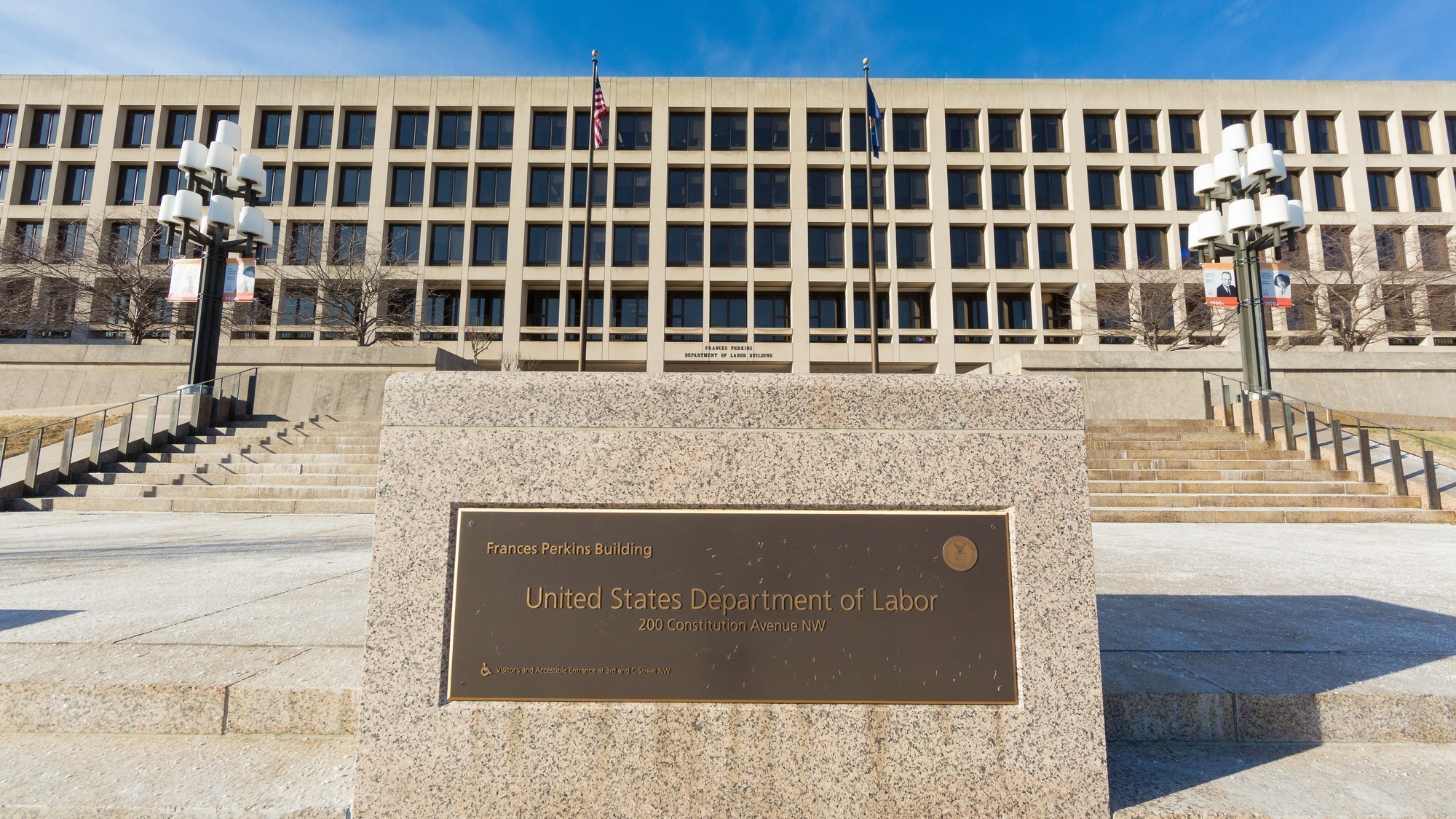
For a worker who leaves voluntarily or is let go for reasons other than gross misconduct, the standard continuation period runs 18 months, according to the U.S. Department of Labor. A few situations extend it. A disability determination can push coverage to 29 months, and events such as the death of the former employee or a divorce can carry dependents out to 36 months. Still, the 18-month window is the one most people retiring before 65 plan around, and it lines up neatly for anyone leaving work in their early sixties.
The draw is pure continuity. The plan keeps the same doctors, the same provider network, the same deductible, and the same drug formulary the household already navigates. For a retiree in the middle of treatment, that stability can outweigh the cost, since switching insurers can mean switching specialists or resetting a deductible partway through the year. Enrollment is not automatic, though. A former worker generally gets 60 days from the later of the coverage-end date or the date the COBRA election notice arrives to sign up, and once elected, coverage reaches back to the day the old plan lapsed, so no gap opens up.
Free for readers: For plain-English help keeping more money in retirement, the free Retirement Shield newsletter covers scams, benefits, and money owed, a couple times a week. Subscribe free.
The bill the employer used to absorb
Through the working years, an employer typically pays the larger share of every premium, and the worker sees only the slice withheld from each paycheck. COBRA removes that subsidy entirely. A plan is allowed to charge a former employee up to 102 percent of the full cost of the coverage, meaning the combined employer and employee contributions plus a 2 percent administrative fee, according to an employee’s guide to COBRA published by the Labor Department. A premium that showed up as a modest payroll deduction can resurface as a bill of several hundred dollars a month for one person, and family coverage often runs past two thousand dollars a month.
That math is why COBRA works best as a temporary bridge rather than a long-term home. It buys time and preserves continuity, but the price reflects the true, unsubsidized cost of employer insurance, a figure most workers never confront while they are still on the payroll. Planning for it before handing in a resignation is essential, because the first payment is often due within 45 days of electing coverage and covers every retroactive month back to the lapse. A retiree who budgets only for the old paycheck deduction can be blindsided by the real number.
The sting is sharpest for a household covering a spouse or dependents, since COBRA lets the whole family stay on the plan, but at the same unsubsidized rate for every person. A couple in their early sixties can easily face a combined premium well north of what a monthly mortgage payment costs. Because the coverage is identical to what the family carried while working, there is no drop in benefits to cushion the jump; only the party paying the bill has changed. That is why many planners treat the COBRA premium as one of the largest single line items in an early-retirement budget, and why they urge workers to price it out months before setting a departure date rather than discovering the figure after the last day on the job.
Weighing COBRA against the other paths
COBRA is seldom the only choice. A person retiring before 65 can also shop the federal Health Insurance Marketplace, where losing job-based coverage counts as a qualifying life event that opens a special enrollment period. Marketplace plans can carry income-based premium tax credits that COBRA never provides, so a retiree living on a modest, carefully managed drawdown of savings may find comparable coverage for a fraction of the COBRA rate. A spouse’s employer plan, when one exists, is a third option worth pricing before defaulting to continuation coverage.
One deadline, though, overrides all of this at 65. COBRA does not count as active employer coverage in the eyes of Medicare, so clinging to it past 65 instead of enrolling can trigger a lifelong late-enrollment penalty on Part B, Medicare cautions. The prudent approach is to treat COBRA strictly as a pre-65 stopgap and enroll during the seven-month window that surrounds the 65th birthday, no matter how comfortable the old workplace plan still feels.
Used that way, COBRA does one job and does it well. It keeps a retiree insured through the exposed stretch between the final day of work and the first day of Medicare, with no lapse and no change in doctors. The premium stings precisely because it is honest, laying bare the real cost of coverage an employer had been quietly footing for years. For any household mapping an early exit, that number belongs in the retirement budget from the start, sitting right beside the mortgage payment and the grocery bill.
Free for readers: One number can cost or save hundreds a month in retirement. The free Retirement Shield newsletter surfaces the ones worth knowing. Sign up free.
This article was researched and drafted with AI assistance and reviewed against the linked primary sources.