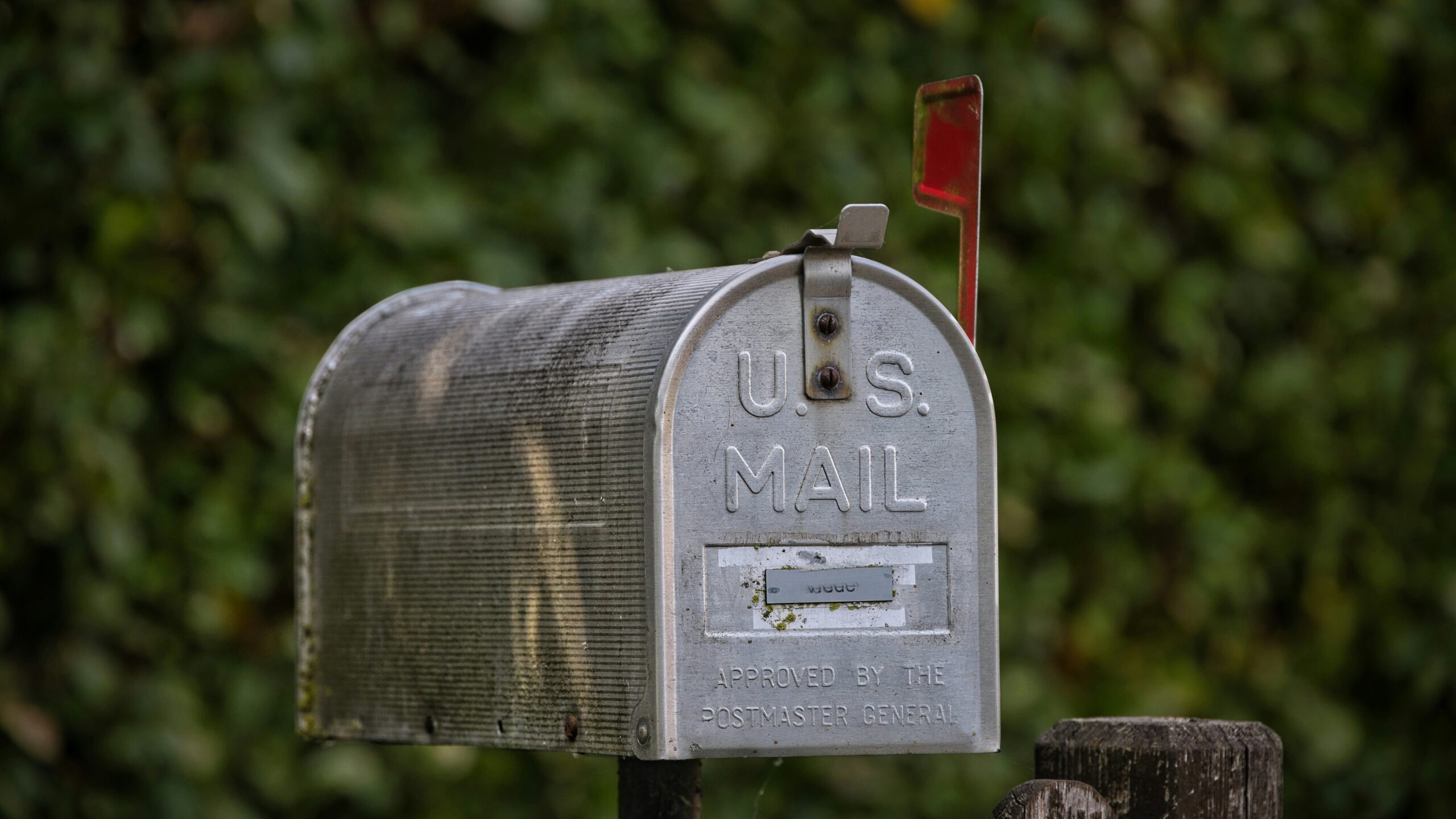
A crime that seems old-fashioned has surged back with modern intensity. Thieves steal checks from the mail, chemically erase the ink to change the payee and amount, and cash them for far more than the original bill. Because the theft starts at the mailbox, a few careful habits about how and where mail is sent can close off the opening these criminals rely on.
How check washing works
Check washing begins with stealing a piece of outgoing or incoming mail that contains a check. Thieves target home mailboxes, especially those with the flag up signaling outgoing mail, and even break into collection boxes. The U.S. Postal Inspection Service, which investigates crimes against the mail, warns about mail theft and the ways stolen checks are exploited.
Once a check is in hand, the criminal uses common chemicals to dissolve the ink, leaving the signature but erasing the payee and amount, then rewrites the check to themselves for a larger sum. The Postal Inspection Service’s guidance on mail theft schemes describes how altered checks are then cashed or deposited, often before the victim notices anything is wrong. Because the account holder’s genuine signature remains, the fraudulent check can pass initial scrutiny.
The result can be a substantial loss and a tangled cleanup, since the victim must dispute the altered check, work with the bank, and watch for further misuse of the account information printed on it. What began as a routine bill payment becomes a fraud that exposes both money and account details.
Free for readers: Scam calls targeting retirees change every week. The free Retirement Shield newsletter flags the ones going around and the one tell that stops each. Sign up free.
Safer ways to send mail
The most effective defense is to keep checks out of vulnerable mailboxes. Depositing outgoing mail that contains checks inside a post office, or handing it directly to a letter carrier, avoids leaving it in a home box where a thief can grab it. Where a home box is used, avoiding the raised-flag signal that advertises outgoing mail, and retrieving incoming mail promptly rather than letting it sit, both reduce exposure.
Collecting mail quickly matters on the receiving end too, since checks and financial statements arriving in the mail are targets as well. For people who travel or are away, arranging to hold mail at the post office or having a trusted person collect it prevents a pile of unattended mail from becoming an opportunity. A locking mailbox adds a physical barrier for those who cannot always retrieve mail immediately.
Reducing reliance on paper checks
Cutting down on mailed checks altogether shrinks the target. Paying bills electronically, through a bank’s online bill-pay or a biller’s secure portal, removes the paper check from the mail stream entirely. Electronic payments cannot be stolen from a mailbox or chemically altered, which eliminates the specific vulnerability check washing depends on.
When a paper check is necessary, using a pen with ink that resists chemical erasure can make washing harder, and filling in all fields completely, with no blank spaces, limits how a check can be altered. These steps do not replace keeping checks out of unsafe mailboxes, but they add friction for a thief who does obtain one.
Catching and responding to theft
Vigilance completes the defense. Monitoring the checking account regularly, and reconciling which checks have cleared against those that were written, reveals a washed or missing check quickly. Signing up for account alerts that flag large or unexpected withdrawals provides an even faster warning. The sooner an altered check is spotted, the better the chance of stopping further loss and disputing the fraud.
If a check is stolen or altered, contacting the bank immediately to report it, and placing a stop payment where possible, limits the damage, and reporting the theft to postal inspectors supports investigation. Because the account and routing numbers on a stolen check can be misused, watching for additional fraud and, if needed, following the FTC’s steps on identity theft protects against broader misuse. For a retiree who still pays bills by mail, adopting these habits, mailing from secure locations, retrieving mail promptly, and shifting toward electronic payments, closes the door on a resurgent fraud that starts right at the mailbox.
Why the crime has resurged
Check washing might seem like a relic in an age of electronic payments, but it has surged precisely because checks remain common for certain payments and because thieves have grown bolder about targeting the mail. Criminals have gone beyond raiding individual home mailboxes to breaking into collection boxes and even stealing master keys, giving them access to large volumes of mail at once. The genuine signature left on a washed check helps the fraudulent version pass initial scrutiny, which makes the crime both lucrative and hard to catch quickly.
Older adults can be particular targets, since checks remain a familiar payment method for many and a mailed check for a bill or a gift is a predictable, recurring item. Understanding that the threat is active and growing, rather than a thing of the past, is what motivates the simple habits that defeat it.
Layering the defenses
No single step eliminates the risk, but combining several closes most of the opening. Mailing checks from inside a post office or handing them to a carrier rather than leaving them in a home box removes the easiest target, retrieving incoming mail promptly limits exposure, and a locking mailbox adds a physical barrier. Shifting bill payments to secure electronic methods removes the paper check from the mail stream entirely, and monitoring the checking account, reconciling which checks have cleared, catches any washed or missing check quickly. The U.S. Postal Inspection Service’s guidance on preventing mail theft reinforces these measures. For a retiree who still pays bills by mail, adopting them turns a resurgent fraud that starts right at the mailbox into a manageable, low-probability risk rather than an open door.
Free for readers: Want plain-English help keeping more of your money in retirement? The free Retirement Shield newsletter covers scams, benefits, and money you’re owed, a couple times a week. Subscribe free.
This article was researched and drafted with AI assistance and reviewed against the linked primary sources.