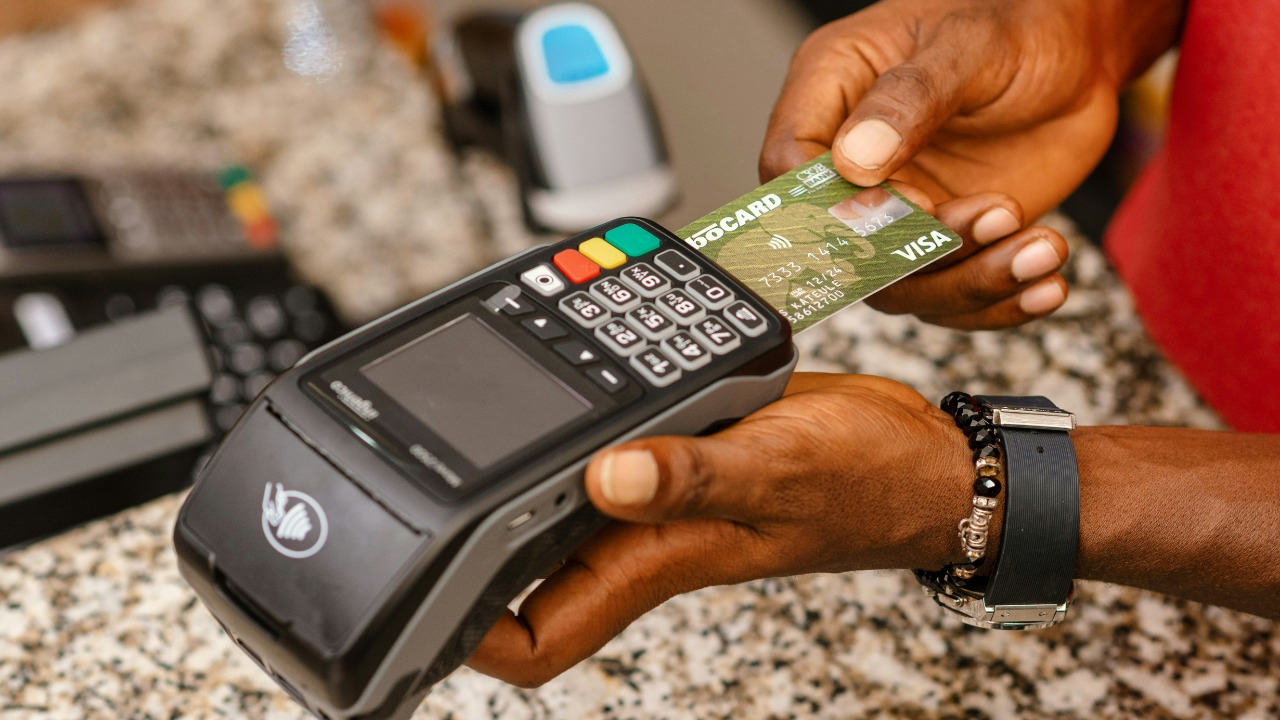
Three Celsius Network founders agreed to orders requiring a combined $16.5 million in payments to resolve Federal Trade Commission charges over claims about the safety and availability of crypto deposits. The allegations remain the FTC’s description of the conduct, and the court must approve the orders before they carry the force of law. The case is a warning about treating a crypto platform’s marketing language as equivalent to a bank guarantee. Words such as “safe,” “insured” and “available at any time” require verification against the actual custody, reserve and withdrawal terms.
Free retirement updates: Scam calls targeting retirees change every week. Our free Retirement Shield newsletter flags the ones going around and the one tell that stops each. Sign up free.
What the Celsius founders agreed to
The FTC’s July 20 announcement says former chief executive Alexander Mashinsky will pay $10 million, Shlomi Daniel Leon will pay $4.1 million and Hanoch “Nuke” Goldstein will pay $2.4 million. Those amounts total $16.5 million. The orders also impose restrictions on marketing or selling services used to deposit, exchange, invest, buy, sell or withdraw certain assets. The exact coverage differs among the founders. The FTC filed the orders in federal court, and stipulated final orders become legally effective after the district judge approves and signs them.
The safety promises challenged by the FTC
The commission alleged that Celsius and its executives told consumers deposits were safer than money held at traditional financial institutions and could be withdrawn at any time. The FTC also alleged statements about a $750 million insurance policy, sufficient reserves and returns of as much as 18% annual percentage yield. According to the agency, those representations were false and continued shortly before Celsius entered bankruptcy. Resolving the civil charges through agreed orders is not the same as a court trial finding every allegation true. The language matters: the founders agreed to the remedies, while the misleading-promise description is the regulator’s allegation.
The FTC’s Celsius case page collects the complaint, orders and related filings. Those documents are more reliable than promotional summaries because they show which entity made an agreement, which provisions are proposed and which remedies have already received judicial approval.
Why crypto custody claims deserve scrutiny
The immediate orders apply to the named founders, but the financial lesson is broader for anyone using a crypto exchange, lending platform or yield account. A platform can describe a product using familiar banking language without offering federal deposit insurance or the same withdrawal rights as an insured bank account. Retirees are especially exposed when money needed for near-term living costs is placed in an account that promises high yield but can halt withdrawals. Liquidity risk is different from price volatility. Even if a token’s market price appears stable, a platform failure can prevent the owner from reaching the asset when bills are due.
A stated insurance policy also deserves scrutiny. Insurance may cover a narrow event affecting the company while excluding customer investment losses, market declines, lending failures or bankruptcy. The policy document, insurer and coverage exclusions matter more than the word “insured” in an advertisement.
The Securities and Exchange Commission has separately warned in an investor bulletin on crypto interest-bearing accounts that these products are not as safe as bank deposits and are not currently insured in the same way. The yield may depend on the platform lending assets to borrowers whose credit and collateral the depositor cannot evaluate.
Account terms can also change the customer’s legal position. Language allowing the company to take title to deposited assets, pledge them or suspend withdrawals means the displayed balance is not equivalent to cash held in a segregated account. That distinction becomes decisive when a platform enters bankruptcy and multiple creditors claim the same pool of assets.
Testing a platform before transferring money
The first check is regulatory status. A person can verify whether a bank is FDIC-insured, whether a credit union is federally insured and whether an investment professional is registered. Crypto platforms may operate under a different framework, so a familiar app design should not be treated as proof of equivalent protection. The second check is withdrawal control. Terms should explain whether the platform lends customer assets, may freeze withdrawals, rehypothecates collateral or gives creditors priority in insolvency. If the customer is effectively making an unsecured loan to the platform, the account is not functioning like cash in an insured checking account.
The FTC’s consumer guidance on cryptocurrency and scams advises skepticism toward guaranteed returns and unexpected demands for crypto payment. A high yield is compensation for risk, not evidence that an account is safe. The $16.5 million agreement closes part of a regulator’s case against the founders, subject to court approval. It cannot by itself make former customers whole or turn crypto deposits into bank deposits. The protective step is to verify custody, insurance, withdrawal and insolvency terms before retirement money crosses the platform’s boundary.
A custody checklist for retirement savings
Before using a high-yield platform, the owner should identify the legal entity receiving assets, the jurisdiction governing the agreement and the customer’s status in bankruptcy. Marketing pages rarely explain whether a customer owns segregated property or holds an unsecured claim against the company. The source of yield should be understandable. Returns produced by lending, leverage or trading bring loss and liquidity risk. A rate far above insured-bank yields is evidence of additional risk even when an app displays a stable dollar balance. Money needed for housing, medical bills or required distributions should not depend on an untested withdrawal system.
Statements, transaction hashes and the terms in effect at deposit should be saved outside the platform. Beneficiary instructions should explain how a fiduciary can locate assets without exposing private keys. Diversification among speculative platforms does not replace a safe cash reserve; the practical defense is separating essential near-term money from risk capital. Platform risk should also be evaluated independently of token risk. A customer can choose a legitimate digital asset and still lose access because the custodian fails. Conversely, self-custody removes the company intermediary but introduces key-loss, fraud and estate-access risks. The correct choice depends on understanding who controls the asset under each arrangement.
Concentration deserves a separate limit. Holding several tokens on one platform may look diversified on a screen, but all positions share the same custodian, cybersecurity and insolvency risk. A platform failure can block access to every asset at once even when the tokens themselves continue trading elsewhere.
For retirement cash flow, the useful test is not whether a withdrawal worked during normal markets. It is whether the contract, reserves and legal protections support access during stress. The FTC allegations focused precisely on promises of safety and continuous availability that customers could not independently verify.
This article was researched and drafted with AI assistance and reviewed against the linked primary sources.
More Financial Reading
- Adding someone to your bank account: tax traps and smart moves
- How many CDs can you park at 1 bank? FDIC rules you must know