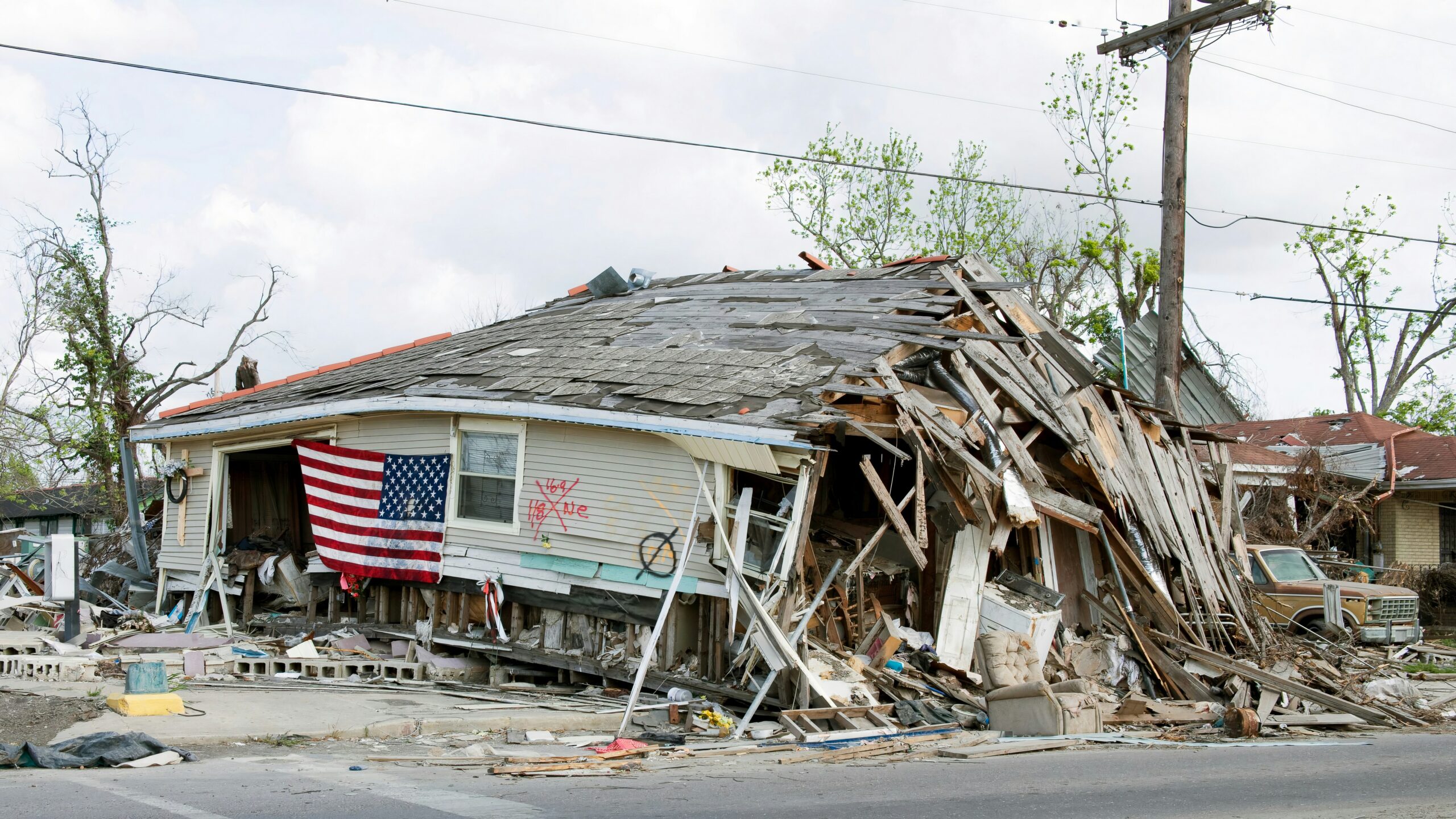
A state disaster declaration can now be enough to bring a personal casualty loss within the federal deduction framework for tax year 2026. The expansion removes the prior federal-declaration-only boundary, but it does not make every storm, fire or theft loss automatically deductible: homeowners still must document the event, calculate the allowed loss, subtract insurance and satisfy the remaining tax rules.
Free retirement updates: One number can cost or save hundreds a month in retirement. The free Retirement Shield newsletter surfaces the ones worth knowing. Sign up free.
What changed for disaster losses in 2026
The IRS’s July 27 implementation notice says the Working Families Tax Cuts law made the deduction for certain personal casualty losses permanent. Beginning with 2026, eligible losses may arise from state-declared disasters as well as federally declared disasters. The IRS also attaches a central condition: every other requirement under Internal Revenue Code Section 165 still applies. A state declaration does not convert routine maintenance, gradual deterioration or an uninsured personal expense into a casualty deduction. The loss must fit the legal rules for a qualifying event and allowed amount.
How a casualty loss is calculated
A casualty loss generally starts with the smaller of the property’s adjusted basis or the decrease in fair market value caused by the event. Insurance and other reimbursements reduce the loss. Personal-use property can then be subject to dollar and income-based limitations before a deduction reaches the return. The IRS’s current Publication 547 on casualties, disasters and thefts explains the calculation, appraisal and reimbursement rules. Taxpayers should use the version applicable to the year of the loss, because forms and thresholds can change.
A pending insurance claim cannot simply be ignored to enlarge the deduction. If reimbursement is reasonably expected, that expected amount affects the loss calculation. A later insurance payment can also create a tax adjustment, which is one reason records should remain together even after the original return is filed.
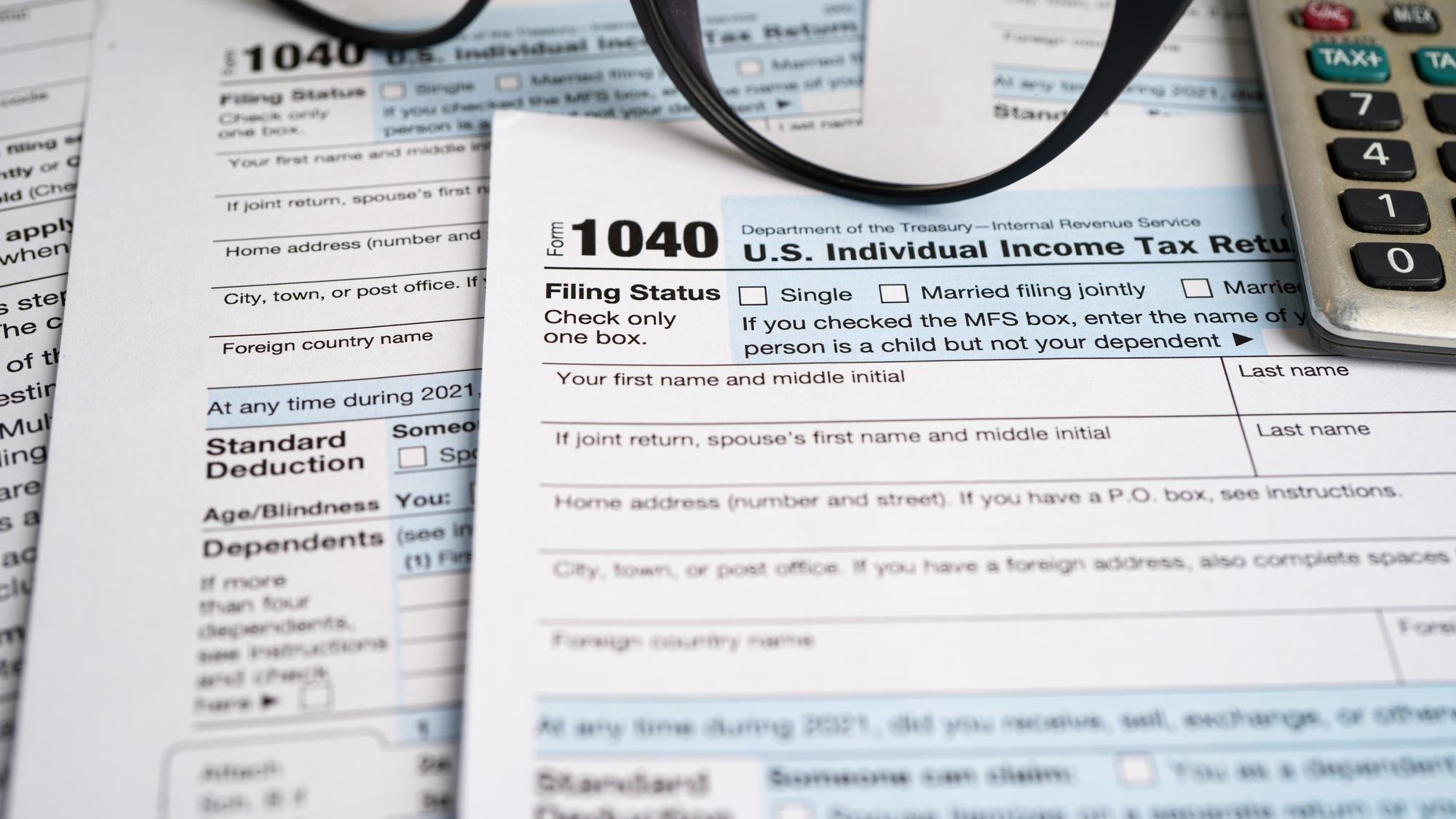
The calculation is ultimately reported on IRS Form 4684, which separates personal-use property from business and income-producing property and carries the allowed amount into the return. Using the correct section matters when a damaged home includes a rental unit or business space, because the same event can produce more than one tax treatment.
Fair-market-value evidence should measure the change caused by the disaster, not a general decline in the neighborhood. A qualified appraisal can address that difference, while photographs and repair estimates help connect specific damage to the declared event. The value immediately before and immediately after the casualty is the relevant comparison.
Which taxpayers can use the deduction
The expansion matters most to residents whose governor or another authorized state official declares a disaster that does not receive a federal disaster declaration. Under the new rule, that state action may support federal casualty-loss treatment beginning in 2026. Older homeowners may have a low adjusted tax basis because a home has been owned for decades. That basis can limit the deductible loss even when repairs are expensive. Improvements, purchase documents and prior casualty adjustments can therefore be as important as current contractor invoices.
Renters may also have losses involving personal property, while business and income-producing property can fall under different casualty rules. The expanded rule addressed here concerns personal losses. A taxpayer with rental property, a home office or a business should separate each property’s use and expenses before applying the rules.
Documenting a declared-disaster loss
The first financial step is safety, followed by documentation. Photographs, videos, repair estimates, receipts, insurance correspondence and proof of the property’s pre-disaster condition can support both an insurance claim and a tax position. Damaged property should not be discarded before the insurer permits it unless health or local rules require removal. The declaration itself should be saved. State emergency-management pages, the governor’s order and the affected counties can establish whether the property was inside the declared area. The IRS maintains a separate disaster tax-relief page for filing extensions and other federal relief; those notices should not be assumed to cover every state-only declaration.
Affected taxpayers should also distinguish a deduction from a credit or cash payment. A casualty deduction reduces taxable income if all conditions are met. It does not guarantee a dollar-for-dollar reimbursement, and a person with little taxable income may receive less value than the documented property damage suggests. Before filing, the taxpayer or preparer should verify the declaration, identify the correct loss year, complete the required casualty form and reconcile all reimbursements. Amended-return choices can carry their own timing rules when disaster relief permits a loss to be claimed in another year.
The 2026 expansion is meaningful because state-declared disasters no longer sit outside the federal rule solely for lacking a federal declaration. Its value depends on proof. Preserving the declaration, basis, damage evidence and insurance record is what turns a potentially qualifying loss into a defensible return position.
Avoiding the most common calculation errors
Repair cost is not automatically the tax loss. Repairs can show damage, but the statutory calculation begins with basis and decline in fair market value. Replacement cost can also overstate the loss when new materials improve the property beyond its prior condition. Timing creates another trap. A state declaration does not automatically produce the filing extensions in a federal IRS relief notice, so the declaration and any separate federal relief must both be checked. Taxpayers should avoid promoters who promise a refund based only on an address; eligibility depends on event, property, reimbursement and return facts.
Disaster assistance and insurance must be matched to their purpose before filing. Payments for the damaged property can reduce the loss, while assistance for other needs may receive different treatment. A reconciliation of every payment, repair and valuation keeps a valid deduction from becoming an overstatement when the IRS compares the return with insurer or agency records. Copies should be stored outside the damaged home. Cloud storage, a trusted relative or a safe-deposit arrangement can preserve insurance policies, basis records and photographs when local devices are lost. A defensible deduction may depend on documents created years before the disaster, not only on receipts generated afterward.
When insurance arrives after filing
Insurance timing can require a later correction. A taxpayer who deducts a loss and then receives an additional reimbursement may have income or an amended-return issue, depending on the earlier tax benefit. Retaining the original calculation with every later insurer payment allows the preparer to trace that adjustment.
The new state-declaration route broadens access, but it does not simplify the arithmetic. The declaration establishes a threshold fact; Form 4684, basis records, valuation and reimbursement determine the amount that survives onto the federal return.
This article was researched and drafted with AI assistance and reviewed against the linked primary sources.
More Financial Reading
- Adding someone to your bank account: tax traps and smart moves
- The ideal retirement withdrawal rate so your savings actually last