The founder of a Florida cryptocurrency firm that raised roughly $400 million from investors has admitted the operation was a Ponzi scheme, one that promised steady returns from digital-asset trading and delivered almost none. As part of his guilty plea, Christopher Delgado agreed to surrender an extraordinary hoard of luxury goods bought with other people’s money, including eight homes, eleven vehicles and thirty watches. For older Americans who were pitched crypto ventures as a safe source of monthly income, the case is a blunt reminder of how convincing, and how hollow, those promises can be.
How the Goliath Ventures scheme collapsed
According to the U.S. Attorney’s Office for the Middle District of Florida, Delgado, the chief executive of Goliath Ventures, pleaded guilty to conspiracy to commit wire fraud, wire fraud and money laundering. Prosecutors say Goliath told investors their money would be placed in cryptocurrency liquidity pools that generated regular returns. In reality, the funds were used mainly to pay purported profits to earlier investors, to return principal to those who asked for it, and to bankroll extravagant company gatherings, luxury travel and the personal lifestyles of Delgado and other insiders.
That structure is the defining mark of a Ponzi scheme: there was no real trading engine behind the monthly statements, only a rotating pool of new deposits propping up the illusion. In the plea agreement, Delgado admitted the fraud caused a minimum of $250 million in investor losses, even as the firm advertised itself as a sophisticated digital-asset manager.
Prosecutors say Goliath operated the scheme from January 2023 through January 2026, a roughly three-year run in which the promised liquidity-pool returns kept new money flowing in. Delgado was arrested in February 2026 and has now admitted the conduct in open court. The gap between the firm’s marketing and its actual operations is what turns a bad investment into a federal crime: the government does not have to prove the trades merely lost money, only that investors were deceived about what was being done with their cash.
Free retirement updates: Scam calls targeting retirees change every week. Our free Retirement Shield newsletter flags the ones going around and the one tell that stops each. Sign up free.
The homes, cars and watches he agreed to give up
The plea deal comes with an unusually vivid inventory of what investor money bought. Delgado agreed to forfeit eight residential properties, eleven vehicles and thirty watches, along with more than fifty luxury bags and wallets, dozens of pieces of jewelry, and the bank and crypto accounts tied to the operation, as detailed in coverage of the plea by CoinDesk. Prosecutors have described homes valued at between roughly $1.15 million and $8.5 million and high-end vehicles that included Lamborghinis and Rolls-Royces.
Forfeiture matters to defrauded investors because seized assets can eventually feed a restitution or victim-compensation process. It rarely makes anyone whole. Luxury goods sell for a fraction of their purchase price, and $250 million in admitted losses dwarfs even a garage full of exotic cars and a safe full of Rolexes.
The warning signs Goliath’s pitch carried
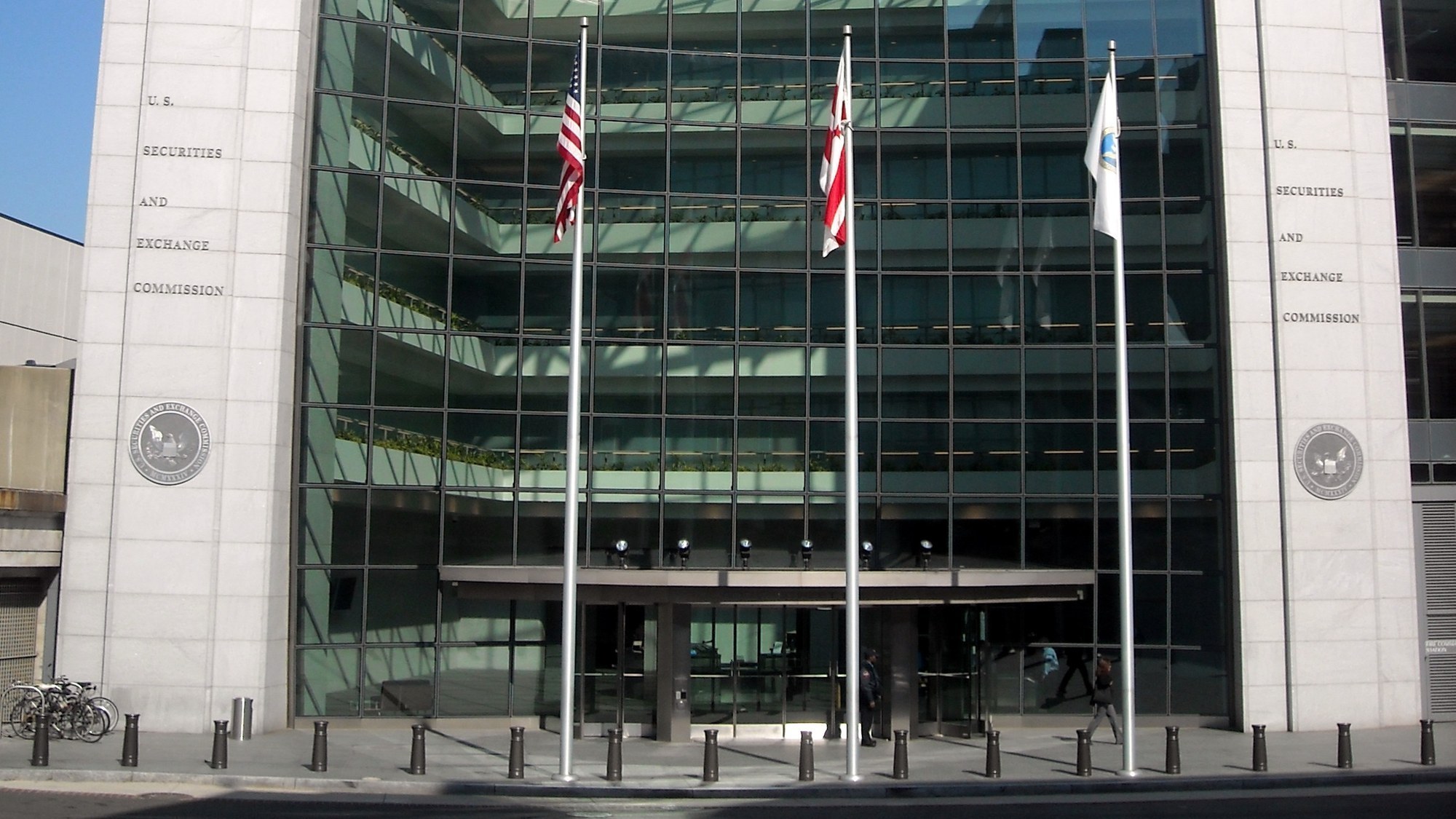
The Goliath story tracks almost exactly with the red flags federal regulators have published for years. The Securities and Exchange Commission’s investor education arm lists the classic tells of a Ponzi scheme: promises of high returns with little or no risk, unusually consistent gains regardless of market conditions, and complex or secretive strategies that are hard to verify. Goliath’s supposed liquidity-pool returns fit each of those descriptions.
Retirees are frequent targets for a simple reason. A lifetime of savings, combined with a hunt for dependable monthly income, makes a pitch built on “steady, guaranteed” crypto yields especially tempting. Legitimate investments do not guarantee returns, and no honest manager pressures a saver to move quickly or keep an arrangement quiet.
The single most practical defense costs nothing: confirming that a firm and the specific offering are registered before any money changes hands. Federal and state regulators maintain public databases for exactly that purpose, and an operation that discourages such checks, or that cannot explain in plain terms how it actually generates returns, has answered the important question already. Goliath’s investors were shown polished dashboards and confident projections; what they were not shown was a real, verifiable trading operation underneath.
What Delgado faces at sentencing
The IRS Criminal Investigation division, which worked the case, notes that Delgado faces a maximum of 20 years in federal prison on each fraud count and up to 10 years on the money-laundering count. A sentencing hearing is scheduled for October 8, 2026, when a federal judge will weigh the admitted losses, the forfeited assets and the scope of the conspiracy.
Until then, the guilty plea already establishes the core facts: a firm that marketed itself as a cutting-edge crypto manager was, by its founder’s own admission, moving new investors’ cash to pay old ones while the luxury purchases piled up. Investigators framed the outcome plainly, with prosecutors saying Delgado solicited investor funds with fraudulent information and then spent the proceeds on an extravagant lifestyle.
This article was researched and drafted with AI assistance and reviewed against the linked primary sources.
More Financial Reading
- Adding someone to your bank account: tax traps and smart moves
- The ideal retirement withdrawal rate so your savings actually last