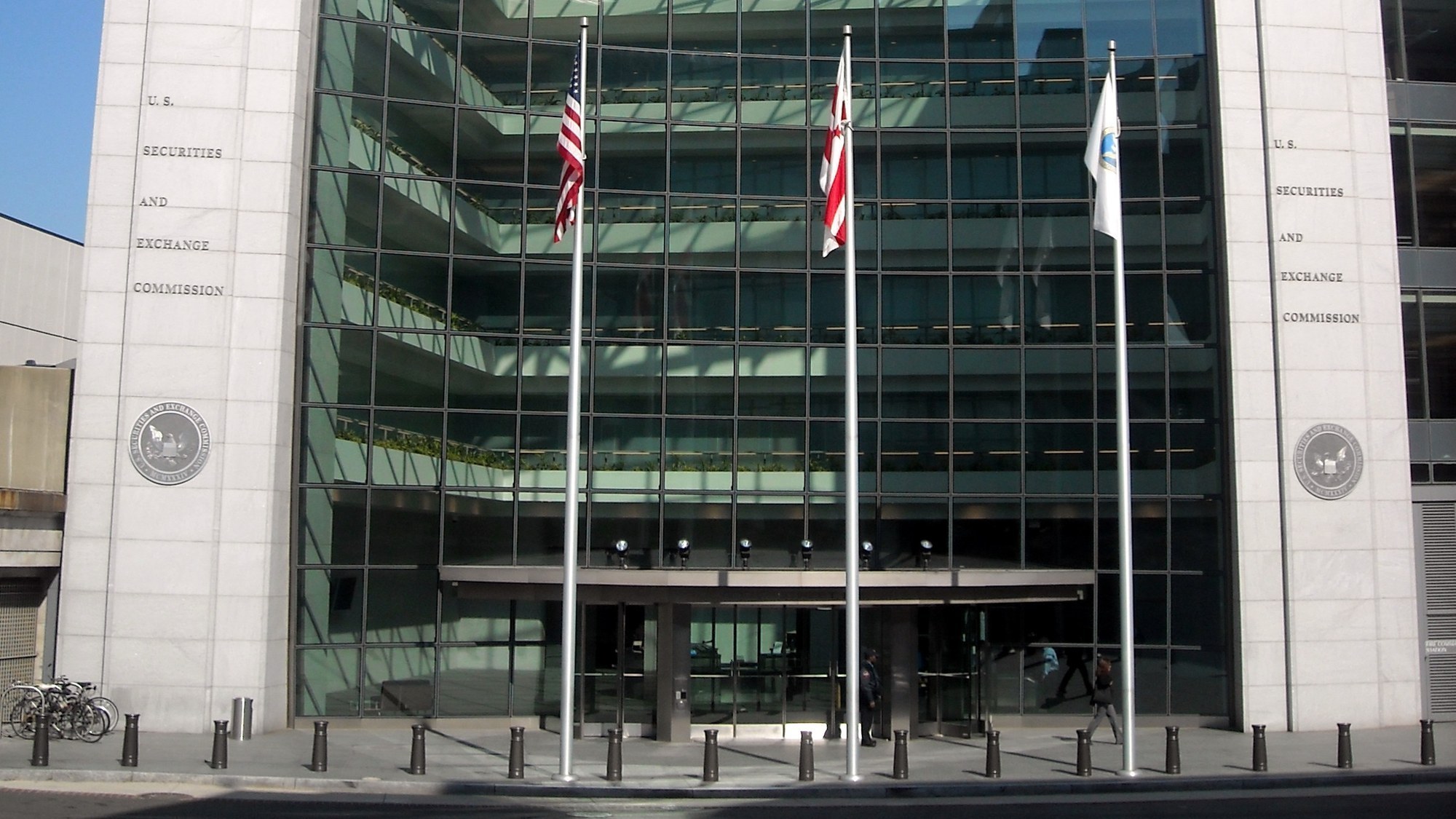
A cannabis company the Securities and Exchange Commission accused of raising about $30 million from investors on false promises has now reached the end of the road in court. On July 10, 2026, a federal judge in California entered a final judgment against American Patriot Brands, its subsidiaries, and its two top executives, ordering millions in repayment and penalties. For retirees who are increasingly pitched private stakes in fast-growing industries, the case is a clear example of how those deals are marketed and how they can unravel.
What the SEC Said American Patriot Brands Did
The agency’s case dates to March 2023, when it charged the Nevada-based cannabis company and its leadership with running a fraudulent offering that raised roughly $30 million from investors. According to the SEC, the company and its executives gave investors false or misleading information about the firm’s financial condition, its business operations, and how their money would be used. Rather than funding the cannabis operation as promised, prosecutors for the agency said, millions of dollars were diverted into accounts controlled by company insiders and spent on personal expenses. The charges named former chief executive Robert Y. Lee, chief operating officer Brian L. Pallas, and several affiliated entities, including Urban Pharms, TSL Distribution, and DJ&S Property #1. The offering was pitched to investors as a stake in a growing cannabis enterprise, but the agency’s account describes a gap between that story and where the money actually went, with funds moved into insider-controlled accounts instead of the operation investors believed they were backing.
Free retirement updates: Want plain-English help keeping more of your money in retirement? The free Retirement Shield newsletter covers scams, benefits, and money many retirees may be owed, a couple times a week. Subscribe free.
The Final Judgment: Disgorgement, Penalties, and Officer Bars
The final judgment closes the matter with substantial financial consequences. The court ordered the company and three of its subsidiaries to pay disgorgement of $17,786,703, plus prejudgment interest of $6,202,777. On top of that, the judgment imposed civil penalties on the corporate defendants, with American Patriot Brands and Urban Pharms each ordered to pay $4,729,004, TSL ordered to pay $2,364,502, and DJ&S ordered to pay $1,182,251. Former chief executive Robert Y. Lee was ordered to pay a total of roughly $6.4 million in disgorgement, interest, and penalties, and Brian Pallas was ordered to pay a $472,902 civil penalty. Both men were permanently barred from acting as an officer or director of a public company and enjoined from most securities transactions outside their own personal accounts.
Disgorgement is the tool regulators use to strip wrongdoers of money they took, and the size of the figure here tracks the agency’s account of how much investor cash was diverted. The officer-and-director bars carry their own weight beyond the dollars, because they close off the most direct route for the same individuals to raise money from the public again through another company. Taken together, the monetary judgment and the bars are meant to punish past conduct and to limit the chance of a repeat.
How the Case Was Decided
Unlike settlements where defendants neither admit nor deny wrongdoing, this outcome followed a contested fight the company lost. The final judgment rests on a June 16, 2025 order in which the court granted the SEC’s motion for partial summary judgment, meaning a judge found the core of the agency’s fraud claims established on the record rather than left for a jury. A related defendant, the company’s former chief financial officer, resolved his part of the case through a consent judgment entered in March 2026. The July 2026 judgment against the company and its two senior executives concludes the litigation. That distinction matters for how the case should be read: the promises the SEC described were not merely alleged and then quietly dropped, they were tested in court and formed the basis of a judgment.
The Warning for Retirees Chasing Private Deals
Cannabis, like other industries marketed as the next big growth story, has drawn a wave of private offerings aimed at ordinary investors, many of them retirees looking for returns beyond what savings accounts and bonds provide. Those deals often arrive with confident projections, limited public disclosure, and pressure to commit before a round closes. Because private offerings are not traded on public exchanges, there is often no daily price, no independent research, and little outside scrutiny to catch a gap between what a company says and what it does with the cash. The American Patriot Brands case shows what can sit behind that packaging: money described as capital for a business quietly rerouted to the people running it. Before committing retirement savings to a private stake, an investor is on firmer ground demanding audited financials, confirming whether the securities are registered, and treating any gap between the pitch and the paperwork as a reason to walk away. The SEC’s account, now backed by a court judgment, describes a company that told investors one story about their money and did something else with it.
This article was researched and drafted with AI assistance and reviewed against the linked primary sources.
More Financial Reading
- The ideal retirement withdrawal rate so your savings actually last
- How many CDs can you park at 1 bank? FDIC rules you must know