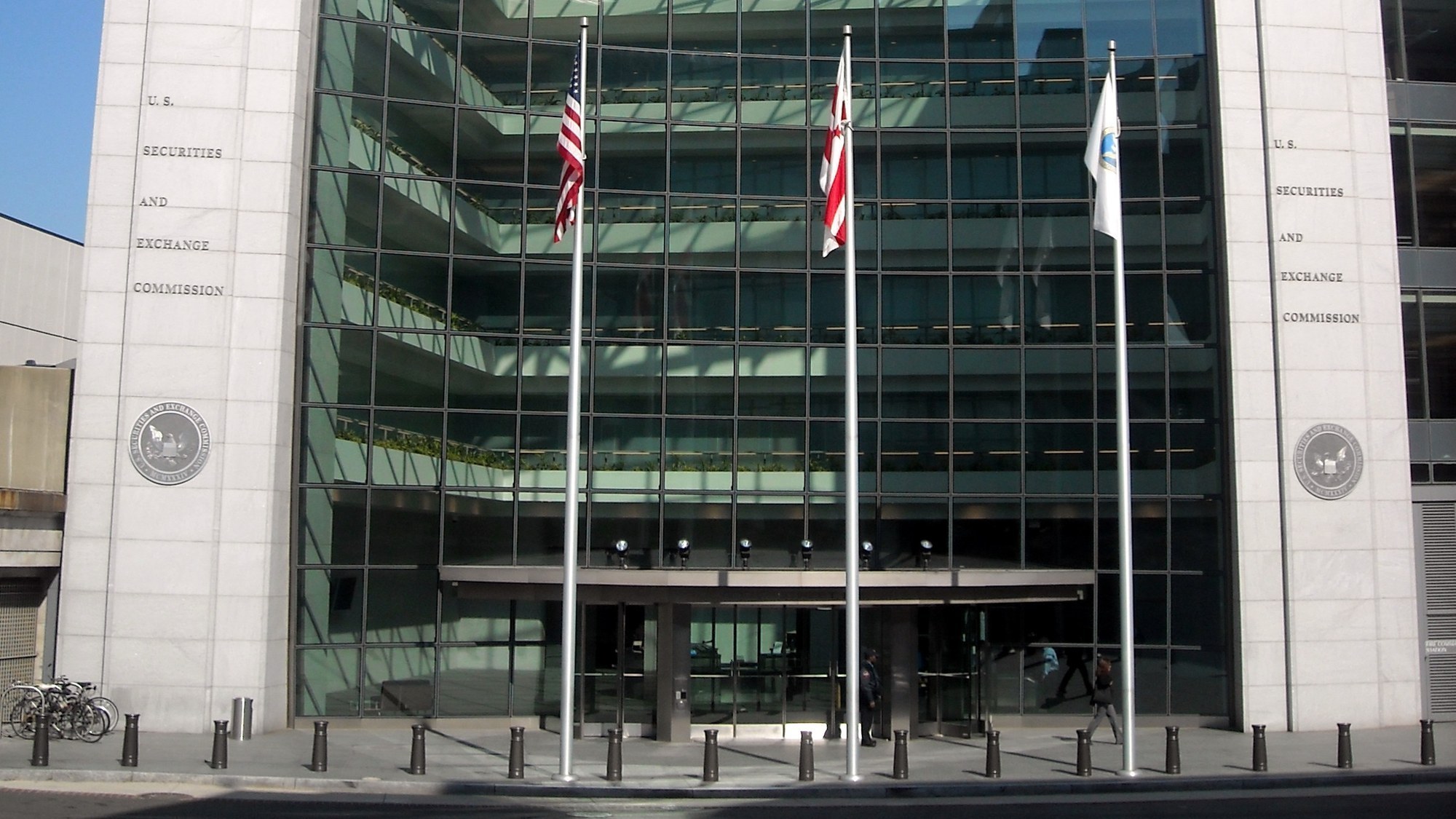
The sales pitch is built on fear. The dollar is doomed, the banks are fragile, and only hard metal will keep a nest egg safe. It is aimed squarely at people who have spent a lifetime saving for retirement, and it has proven lucrative enough that federal regulators have spent years chasing the dealers behind it. The scale is not small: the country’s commodities regulator says the cases it has brought against overpriced-metals sellers add up to more than half a billion dollars in alleged fraud.
More Than $500 Million in Charged Cases
The figure comes from the Commodity Futures Trading Commission, which polices fraud in precious-metals markets. In a 2024 joint warning issued with securities regulators, the agency stated that over the past decade it has brought numerous cases against fraudulent precious metals dealers alleging they collectively sold over $500 million of overpriced metals to victims. That is a cumulative tally across many enforcement actions, not a single scheme, which is precisely what makes it worth understanding as a pattern rather than a one-off. The dealers were not selling counterfeit metal in most of these cases; they were selling real gold and silver at prices bearing little relation to what the metal was actually worth, then charging steep commissions on top.
Free retirement updates: Scam calls targeting retirees change every week. Our free Retirement Shield newsletter flags the ones going around and the one tell that stops each. Sign up free.
The Fear-First Sales Script
The mechanics are consistent from case to case. The CFTC describes how these frauds prey on fears about the durability of the United States financial system, promising “safe” investments while the dealers sell the metals at inflated prices and charge high commissions. The approach usually begins with something unsolicited: an email, a cold call, a brochure in the mail, an online video, or a message-board post touting the safety of precious metals. High-pressure salespeople then push buyers to convert as much of their savings as possible into metal, even when doing so concentrates risk or triggers unnecessary taxes and penalties. The word “safe” does a great deal of work in these pitches, and the agency is blunt that metals prices are as volatile as those of other assets. Much of the profit is hidden in the coins themselves: buyers are often steered into rare or collectible “numismatic” coins that carry far higher markups than ordinary bullion and trade in a thin resale market, so the metal has to climb sharply in value just to return the buyer to break-even.
Why Retirement Accounts Are the Target
Fraudsters concentrate on retirement money for a simple reason: for most Americans, that is where the bulk of their investing dollars sit. The CFTC notes that unscrupulous dealers pose as “IRA experts” to convince customers to roll their savings into self-directed IRAs, a type of account that permits a wider menu of assets and offers limited built-in oversight. The 2024 warning also describes how these schemes use affinity-fraud tactics, deliberately targeting people by their political or religious beliefs, infiltrating social-media groups, and even stealing images of religious leaders, pundits, and celebrities to manufacture fake endorsements. Because a retirement account often sits untouched for years, a fraudulent dealer can collect the money and delay discovery well past the point where recovery is realistic.
How the Markup Erodes a Nest Egg
The damage in these cases is rarely a total loss of the metal itself; it is the gap between what a buyer pays and what the metal can be resold for. When a dealer sells bullion or coins at a markup of 30 percent, 50 percent, or in some documented cases well over 100 percent above the underlying metal value, the buyer starts deep in the hole. Ordinary bullion tends to trade close to the live spot price of gold or silver, so a heavy premium has to be earned back entirely by a rise in the metal’s price before the buyer sees a single dollar of gain. With collectible or “numismatic” coins the problem compounds, because their prices depend on a thin market of hobbyist buyers rather than on spot metal, and a retiree forced to sell in a hurry often finds the only available bid is far below the purchase price. Commissions charged at the point of sale come out of that same principal, so an account can lose a large share of its value the moment the transaction closes, before the market has moved at all. That built-in loss is what turns a “safe haven” pitch into a wealth transfer from the saver to the dealer.
The $185 Million Case Behind the Pattern
A single action shows how large these schemes can grow. In September 2020, the CFTC and 30 state authorities filed a joint civil enforcement action in federal court in the Northern District of Texas against two precious-metals dealers and their companies, alleging a $185 million fraudulent scheme that solicited money from elderly victims nationwide to buy fraudulently overpriced gold and silver bullion. Cases like it are the building blocks of the half-billion-dollar total, and they share the same fingerprints: a fear-driven pitch, a rollover into a self-directed IRA, metal sold far above its market value, and a retiree left holding an asset worth a fraction of what was paid. The regulators’ standing advice is unglamorous but effective: never buy metal on the strength of a cold call or unsolicited message, get every premium and fee in writing, and check a dealer’s registration and complaint history before any funds move.
This article was researched and drafted with AI assistance and reviewed against the linked primary sources.
More Financial Reading
- The ideal retirement withdrawal rate so your savings actually last
- How many CDs can you park at 1 bank? FDIC rules you must know