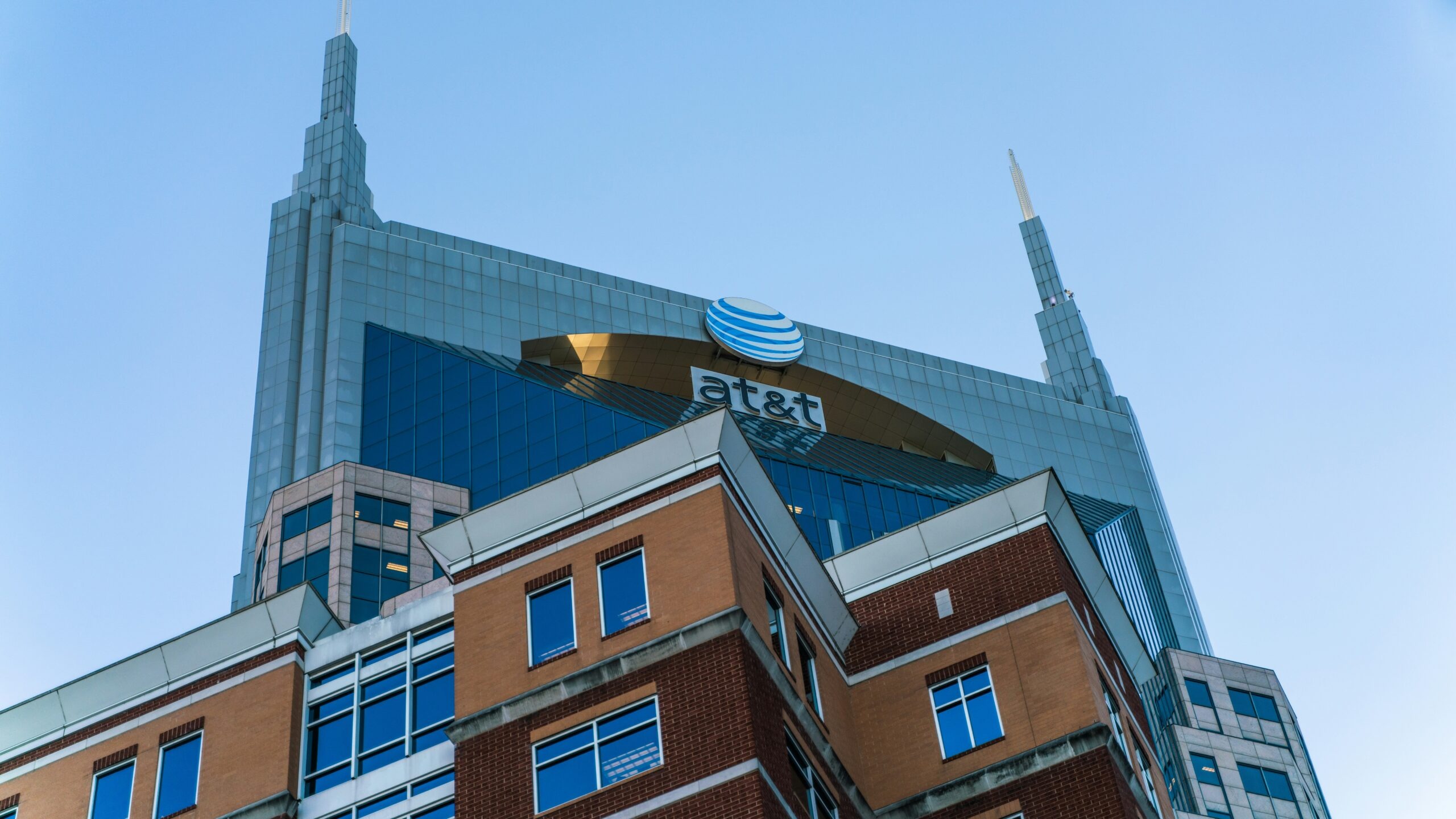
A federal court in Texas is weighing whether to approve a proposed $177 million settlement that would resolve claims from two AT&T data breaches, and until it rules, no payments will go out. The agreement, tied to incidents that exposed the personal information of tens of millions of current and former AT&T customers, would let people with documented losses claim up to $5,000 apiece. For older customers whose Social Security numbers and account details were swept into the larger breach, the stakes are real, but so is the confusion: the settlement has cleared only a preliminary hurdle, the deadline to file a claim has already passed, and the court has not yet signed off on a single dollar.
Inside the AT&T Data Incident Settlement
The settlement stems from two separate events AT&T disclosed in 2024. On March 30, 2024, the company acknowledged that a data set containing AT&T-specific fields had surfaced on the dark web, an event the settlement calls the “AT&T 1 Data Incident.” On July 12, 2024, AT&T disclosed a second incident in which call and text records were illegally downloaded from a third-party cloud workspace, the “AT&T 2 Data Incident.” Lawsuits over both were consolidated before Judge Ada E. Brown in the U.S. District Court for the Northern District of Texas, and the parties agreed in March 2025 to resolve them together. News accounts put the combined fund at $177 million, covering roughly 73 million current and former customers tied to the first incident.
The court-authorized settlement website spells out that the two classes are compensated differently. Members of the AT&T 1 class may submit a claim for a documented-loss cash payment of up to $5,000 for losses traceable to that breach, or choose a tiered pro-rata payment that runs higher for people whose Social Security numbers were exposed. Members of the AT&T 2 class may claim up to $2,500 in documented losses. None of the per-person amounts are fixed; they depend on how many valid claims are filed and how much remains after administration costs, attorneys’ fees, and service awards are subtracted.
Free retirement updates: Every year, billions in settlements and unclaimed money go unclaimed. Our free Retirement Shield newsletter sends the real ones — with deadlines — a couple times a week. Get the free newsletter.
Why the Money Has Not Started Moving
The deal has only been preliminarily approved. The court’s own order describes it as a “preliminarily approved Settlement” and refers to the group as a “proposed Settlement Class.” A final approval hearing, where the judge decides whether the terms are fair, reasonable, and adequate, was held on January 15, 2026. As of late July 2026, the court had not issued that ruling.
The settlement administrator, Kroll Settlement Administration, has been explicit that payments cannot begin until three things happen. According to the official settlement site, benefits will be distributed only after the court grants final approval, the window for any appeals has closed, and every claim form has been reviewed. An April 2026 update posted to the site said the administrator was still processing claims while the court continued to weigh approval, and that there was no way to know how long the decision would take. In plain terms, “up to $5,000” describes a ceiling that applies only if and when the settlement is approved, not a check anyone has received.
The Claim Deadline Has Already Passed
Anyone hoping to file now has missed the window. The deadline to submit or postmark a claim form was December 18, 2025, and the administrator has confirmed that claim forms are no longer available. The opt-out and objection deadlines closed even earlier, on November 17, 2025. That timing matters for a scam-wary audience: with the claim window shut and no payout date announced, any email, text, or phone call promising to file a late claim, speed up a payment, or unlock a settlement check in exchange for a fee or personal information should be treated as fraudulent. The only site the court recognizes for this case is the official administrator’s, and it never asks class members to pay to receive a benefit.
What Approval Would Mean for Eligible Customers
If the court signs off, the people who filed valid claims by the December deadline will be paid according to the option they selected. Those who documented losses could receive up to their tier’s maximum, while those who chose the pro-rata route will get a share of whatever remains in each breach’s net fund, an amount that stays unknown until the claims are tallied. Class members who had a Social Security number exposed in the first incident were promised a payment five times larger than those whose other details were taken. The settlement resolves the cases without any admission of wrongdoing by AT&T.
For now, the honest status is a holding pattern. The court-authorized administrator has said only that it will post updates as developments occur and has urged class members to watch the official settlement site rather than rely on secondhand claims about payout dates. Until Judge Brown rules, the $177 million remains a promise on paper.
This article was researched and drafted with AI assistance and reviewed against the linked primary sources.
More Financial Reading
- The ideal retirement withdrawal rate so your savings actually last
- How many CDs can you park at 1 bank? FDIC rules you must know