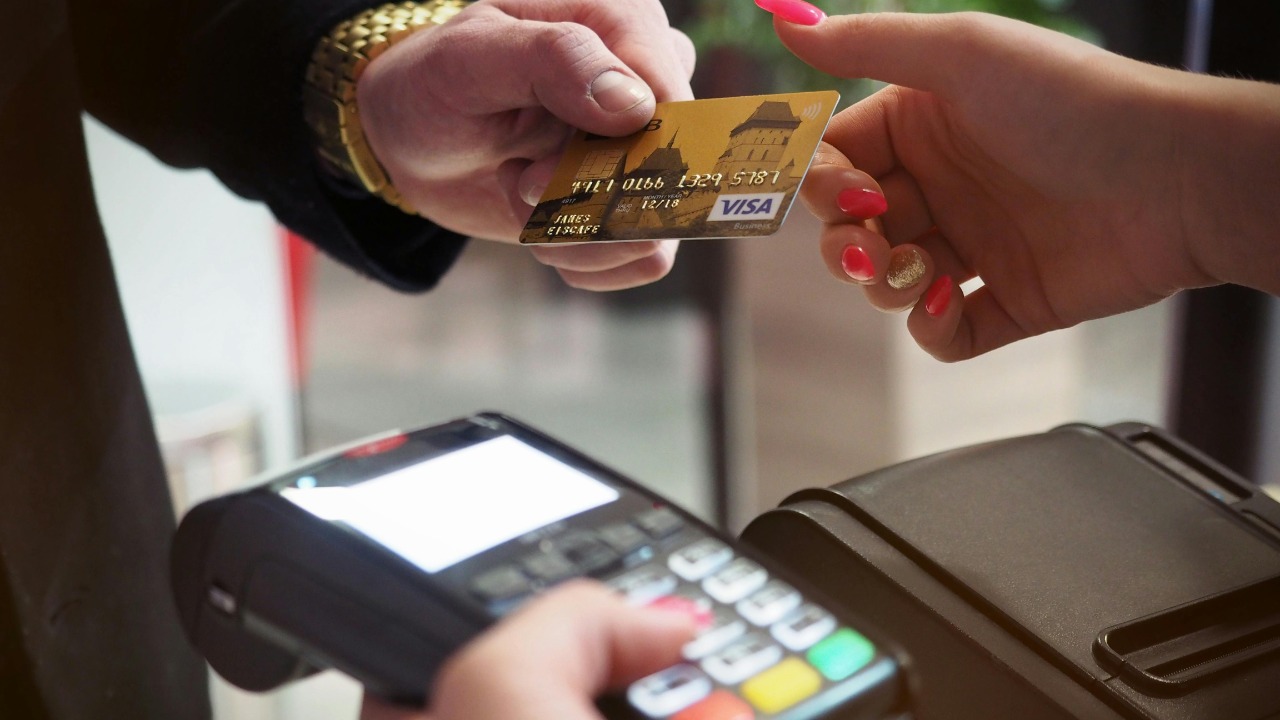
A credit freeze is one of the few fraud defenses that is completely free, available to anyone, and hard for a thief to work around. It tells the three national credit bureaus to keep a person’s credit report locked, so a lender checking that report before approving a new loan or card sees a closed door. For older Americans, whose Social Security numbers and financial histories are prime targets after a data breach, it shuts down the most common way stolen information turns into stolen money: brand-new accounts opened in someone else’s name.
What a credit freeze actually blocks
The power of a freeze comes from how new credit gets approved. Before a bank issues a card or a lender writes a loan, it pulls the applicant’s credit report. When a report is frozen, that pull is blocked, so most applications simply cannot be approved — even if the criminal has the right name, address and Social Security number.
The Federal Trade Commission explains that a freeze is free, lasts until it is lifted, and can be placed by anyone, whether or not their identity has already been stolen. A freeze is also narrow in a helpful way. It does not touch existing accounts, does not lower a credit score, and does not stop someone from using cards and loans they already hold. It works in the background, quietly refusing new-credit requests until the owner decides to lift it.
Free retirement updates: Want plain-English help keeping more of your money in retirement? The free Retirement Shield newsletter covers scams, benefits, and money many retirees may be owed, a couple times a week. Subscribe free.
Freezing all three, and lifting when needed
A freeze only counts at the bureau where it is placed, and there are three that matter: Equifax, Experian and TransUnion. Because a lender may check any one of them, real protection means placing a freeze at all three. Each can be set up online, by phone or by mail, and the online route is usually the fastest. Setting up the three separately takes a little time up front, but it is a one-time chore that then holds indefinitely.
The freeze is not permanent by accident — it is meant to be lifted when a person actually wants new credit. Applying for a card, a car loan or a mortgage means temporarily thawing the report, either for a set window or at the single bureau the lender will use. Lifting and refreezing are also free, so the account owner can open the door briefly and close it again with no cost and no penalty.
Setting up a freeze does mean creating an account or a PIN with each bureau, and keeping that login information somewhere safe, because it is what unlocks the freeze later. Some people also freeze the credit of a spouse, and freezes are available for children and other dependents whose unused credit files are attractive to thieves precisely because no one is watching them. A retiree managing money for an aging parent or a family member can extend the same protection to those files as well.
Freeze versus fraud alert
A freeze is the stronger tool, but it is not the only one. A fraud alert is a lighter option that tells lenders to take extra steps to verify identity before extending credit, without locking the report outright. An alert is easier to live with day to day because it does not require thawing before every application, but it relies on lenders following through on the extra verification rather than blocking the request. Someone weighing convenience against maximum protection can start with an alert and move to a full freeze if the risk feels higher — for instance, after a breach exposes their Social Security number.
Both tools share a limit worth knowing: neither undoes fraud that has already happened on existing accounts. They are built to stop new accounts, which is precisely the threat that stolen personal data creates. For that reason, many people pair a freeze with a habit of reviewing their credit reports, which are available free and let a person confirm the freeze is in place and spot any account they do not recognize.
When the damage is already done
For someone who suspects a thief has already used their information, a freeze is a first move rather than a last one. The Federal Trade Commission’s identity-theft recovery site walks victims through reporting the theft, disputing fraudulent accounts, and building a recovery plan, with a freeze often part of the immediate response to stop further damage. Placing the freeze halts new accounts while the cleanup on existing ones proceeds.
The larger point is that a freeze is cheap insurance against an expensive problem. It costs nothing, changes nothing about the accounts a person already uses, and can be lifted in minutes when real credit is needed — while standing between a stolen identity and a stack of new accounts the rest of the time.
For older Americans in particular, the math tilts strongly in favor of freezing. Many are no longer opening new credit cards or taking out loans on a regular basis, so the inconvenience of an occasional thaw is minimal, while the exposure from decades of financial records and a Social Security number floating through past data breaches is very real. Put simply, the group with the least day-to-day need for open credit is often the group with the most to protect — which makes a standing freeze one of the easiest security decisions available.
This article was researched and drafted with AI assistance and reviewed against the linked primary sources.
More Financial Reading
- The ideal retirement withdrawal rate so your savings actually last
- Bank statements: how long to keep them and when to toss them