A savings account paying a rate far above everyone else’s is the oldest lure in banking, and online it has become a fraud tool. Criminals build convincing websites that borrow a real bank’s name, logo, and layout, then advertise eye-catching yields to collect deposits that vanish. The good news for older Americans is that confirming whether a bank actually exists and is federally insured takes only a minute and a free government database, and doing it first closes off one of the easiest ways to lose a lump sum.
Look-alike “banks” and the high-yield bait
The setup rarely looks alarming. A polished site, a familiar-sounding institution name, and a certificate-of-deposit rate a point or two above the market are enough to make an offer feel like a smart find rather than a trap. Some fake pages copy a genuine bank almost exactly, changing a single letter in the web address or adding a word like “savings” or “online” to a trusted brand. A retiree comparing certificate-of-deposit rates online, for instance, might land on a page that mirrors a well-known bank down to the logo but routes deposits to an account the operators control, with the higher yield existing only to make the site worth clicking.
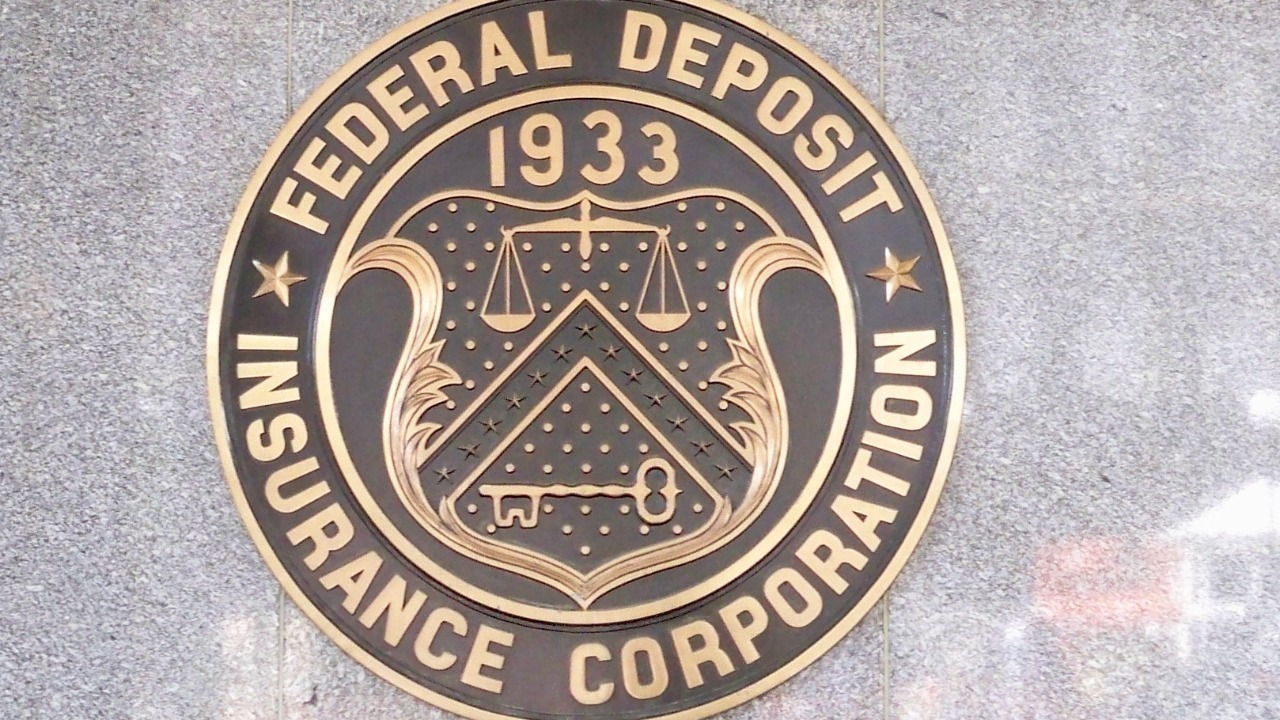
What separates the real from the counterfeit is not the design; it is whether the institution is chartered and insured. Deposits at a genuine bank are protected by the Federal Deposit Insurance Corporation, a government agency, while money handed to an imposter site has no such backing and no realistic path to recovery. The FDIC keeps a public record of every insured institution precisely so a depositor can check a bank’s insurance status in its BankFind database before sending funds anywhere.
Free retirement updates: Scam calls targeting retirees change every week. Our free Retirement Shield newsletter flags the ones going around and the one tell that stops each. Sign up free.
What BankFind actually confirms
BankFind is searchable by institution name, city, or state, and a match returns the details that expose a fake: the bank’s official charter, its current operating status, the address of its branches, its primary regulator, and its verified website. A supposed bank that does not appear at all, or whose listed website does not match the address in the ad, is a clear signal to stop. The FDIC also answers the question directly in its consumer guidance, which explains how to confirm that a bank is FDIC-insured using the same tool.
The distinction matters because insurance is not automatic. Some financial companies market themselves in banking terms without being insured banks themselves, and a few pass customer deposits through to a partner bank, an arrangement that can complicate coverage. Matching the exact legal name on the offer to the record in BankFind, rather than trusting a logo, is what makes the check reliable. Because the record lists the institution’s verified website and primary regulator, a depositor can compare the web address in an advertisement against the official one and route any doubt to the named regulator, rather than relying on contact details supplied by the site making the pitch.
Why the FDIC label carries weight
Federal deposit insurance is the reason a bank failure does not wipe out ordinary savers. The FDIC’s standard coverage protects up to $250,000 per depositor, per insured bank, for each account ownership category, and that protection kicks in automatically at any insured institution with no application required. When a covered bank has failed, depositors have historically been made whole up to the limit, typically within days.
An imposter site offers none of that. Because it is not a chartered bank, no insurance stands behind it, and a deposit that disappears is simply gone. That gap is exactly why fraudulent operations advertise rates real banks cannot match; the promise only has to be believable long enough to collect the money.
Calculating whether a large deposit is fully covered
Verifying that a bank is insured answers only half the question; the other half is whether a given balance actually falls within the coverage limits. Because protection applies per depositor, per bank, and per ownership category, a saver with more than $250,000 at one institution, or with a mix of individual, joint, and payable-on-death accounts, may be covered for more or less than the headline figure suggests. The FDIC provides a free calculator, the Electronic Deposit Insurance Estimator, that lets a depositor enter each account at a bank and see exactly which portion is insured and which, if any, exceeds the limit. For an older saver holding a large certificate of deposit or the proceeds of a downsized home, running that estimate is a direct way to confirm the whole balance is protected before committing it.
Three checks that take a minute
Beyond the database, a few habits catch most fakes. Every insured institution is required to display the official FDIC sign at each teller window and on its verified website, so its absence, or a subtly altered version, is a warning. Typing a bank’s address directly rather than following a link from an email or ad avoids look-alike domains built to harvest logins and deposits. And anyone unsure can call the FDIC at 1-877-ASK-FDIC to confirm coverage before acting. The order that protects a retiree’s money is simple: verify the institution first, then decide whether the rate is worth it, never the other way around.
This article was researched and drafted with AI assistance and reviewed against the linked primary sources.
More Financial Reading
- Bank statements: how long to keep them and when to toss them
- How many CDs can you park at 1 bank? FDIC rules you must know