Every legitimate investment ties its reward to its risk. The safest places to keep money, such as an insured savings account or a short-term Treasury bill, pay the least, and any product dangling a bigger payoff does so by exposing the saver to a real chance of loss. So when a pitch promises large returns that arrive on schedule no matter what the stock market is doing, securities regulators say the math itself is the warning. For older Americans who have spent decades building a nest egg, recognizing that one contradiction is often what separates a sound decision from a devastating one.
Risk and reward are welded together
The reason a “steady, market-beating, no-risk” promise cannot be true is built into how investing works. A return is the compensation an investor receives for accepting uncertainty, so a genuinely safe holding delivers a modest, predictable yield, while a holding that reaches for outsized gains must carry outsized risk. No amount of financial engineering erases that trade-off. What a fraudster sells instead is marketing that hides it behind confident language and a polished presentation.
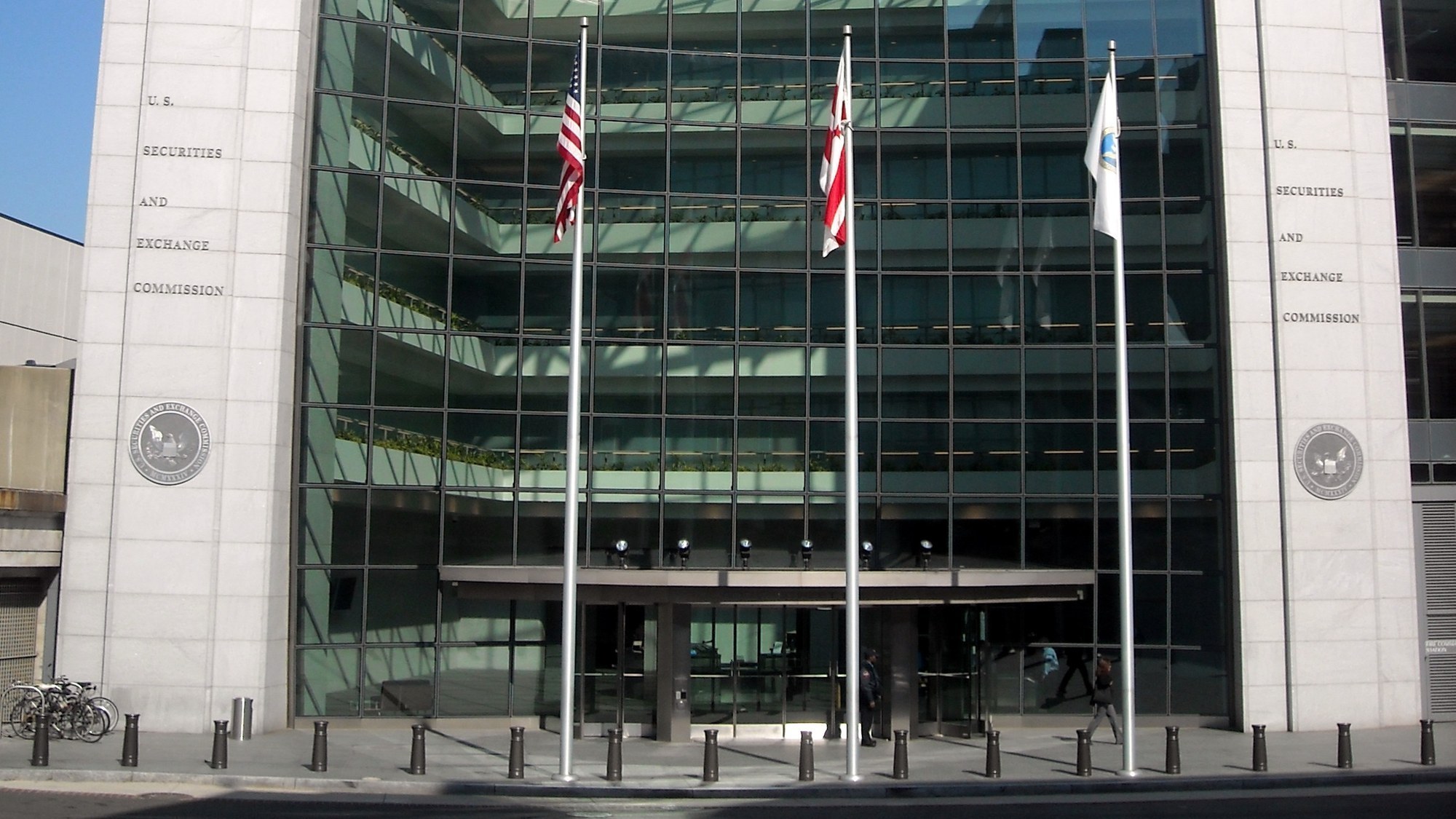
The Securities and Exchange Commission’s investor-education office states the point plainly: guaranteed returns are not guaranteed, because every investment carries some degree of risk, and money that is perfectly safe will most likely earn a low return. Its guidance urges savers to treat any promise of high returns with little or no risk as a warning sign rather than a reason to buy. A seller who insists the combination exists is describing something that regulators say does not.
Free retirement updates: Scam calls targeting retirees change every week. Our free Retirement Shield newsletter flags the ones going around and the one tell that stops each. Sign up free.
How a Ponzi scheme manufactures a smooth line
The reason con artists can display a flawless track record is that, in many cases, no real investing is happening at all. In a Ponzi scheme, the operator pays “returns” to earlier investors out of money collected from newer ones, which lets the account statements look reliably positive for as long as fresh cash keeps arriving. Because the figures are fabricated rather than earned, they can be made as smooth and impressive as the pitch requires.
That illusion lasts only until withdrawals outpace new deposits. When too many investors ask for their money at once, or recruiting slows, the scheme collapses and the balances that looked so dependable turn out to be empty. Some of the largest frauds on record ran for years on exactly this pattern, reporting steady gains straight through market booms and crashes, which is precisely the consistency that should have drawn suspicion instead of trust. A pitch that credits the same gain every month, a fixed percentage that never dips even in a quarter when the broad market falls, is displaying the very smoothness a real portfolio cannot produce, because genuine returns arrive unevenly, with losing stretches mixed among the good ones.
What a collapse costs an older saver
The damage falls hardest on people who can least absorb it. A worker still drawing a paycheck can rebuild a loss over years, but a retiree who moved a lump sum, often a rolled-over retirement account or the proceeds of a home sale, into a fraudulent opportunity has no fresh income stream to replace what disappears when the scheme fails. The money that looked like a dependable monthly return was, in a Ponzi structure, partly the saver’s own principal being handed back and counted as profit.
That is why regulators treat retirees as a favored target rather than an incidental one. A large one-time balance, a wish for steady income, and years of trust in a familiar adviser combine into exactly the profile a fraud is designed to exploit. Recognizing that the safe, high, steady promise is aimed squarely at that situation is part of what makes it easier to refuse.
The red flags that usually travel together
Suspiciously steady returns rarely show up alone. The commission’s checklist of investment-fraud warning signs lists several that tend to cluster: returns that stay positive regardless of market conditions, investments that are not registered with regulators, sellers who are not licensed, strategies described as too complex or too secret to explain, and payments or account statements that arrive late or with excuses. Any one of them warrants a pause. Several at once is a reason to stop.
Pressure is another common thread. Fraudulent pitches often lean on urgency, telling a target the opportunity closes tonight, or on a shared bond through a church, club, or community, a tactic regulators call affinity fraud. The comfort of a trusted introduction is exactly what makes the promise easier to accept and the loss harder to see coming, which is why familiarity is treated as a caution rather than a reassurance.
A background check costs nothing
Before any money changes hands, the most protective step is confirming that both the seller and the product are properly registered, and regulators note that unregistered, unlicensed individuals commit many of the frauds aimed at older investors. A free background search can surface a problem in minutes: the SEC’s investor-education office maintains a search tool that shows whether a seller and their firm are registered and whether either carries a disciplinary record, drawing on the same public files regulators keep on brokers and advisers. Asking direct questions or refusing to be rushed will never offend a legitimate professional. It will, however, frustrate a fraudster who is counting on the opposite. When a pitch still comes down to steady, high, risk-free returns, the safest assumption is that the promise itself is the product being sold.
This article was researched and drafted with AI assistance and reviewed against the linked primary sources.
More Financial Reading
- Adding someone to your bank account: tax traps and smart moves
- What really happens to your joint savings account when you die?