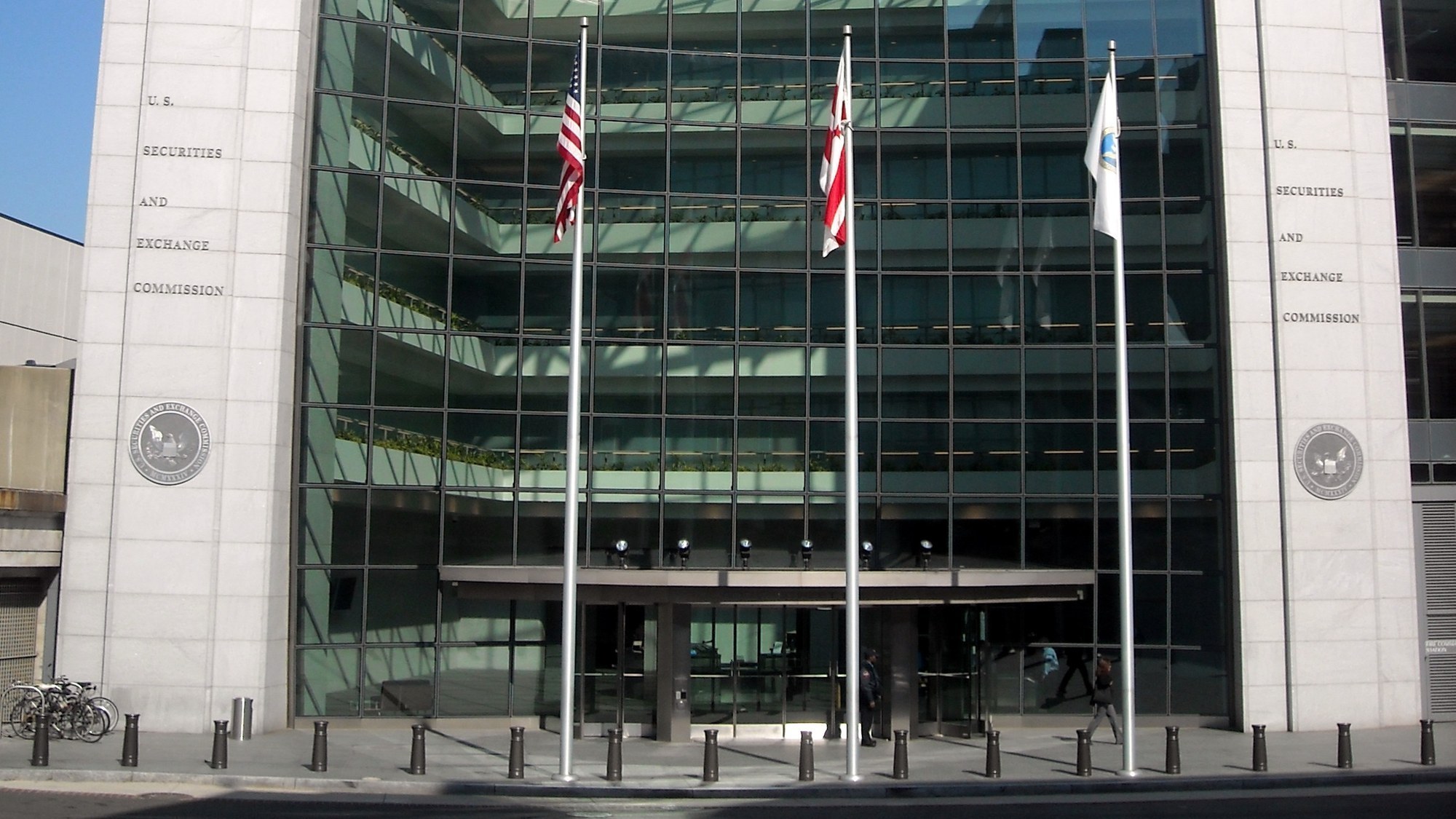
A Ponzi scheme does not usually announce itself with obvious lies. It arrives as a confident sponsor, a professional-looking website, and a track record of steady payouts that early participants can vouch for. Yet a large share of these schemes share one quiet vulnerability: the person or firm collecting the money is not legally registered to sell the investment at all. A free search on the government’s own investor website is often enough to expose that gap before a single dollar is committed.
How a registration check exposes a Ponzi setup
A Ponzi scheme pays existing investors with cash from new investors rather than from any genuine profit, and it survives only as long as fresh money keeps flowing in. To keep that money coming, the operator needs to appear legitimate, which is why the fraud so often depends on avoiding the very oversight that would give it away. Most securities and most people who sell them must be registered with the Securities and Exchange Commission, with a state regulator, or with FINRA. An operator who cannot withstand that scrutiny frequently skips it and hopes no one checks.
That is the crack an ordinary saver can pry open. The SEC’s public education site, Investor.gov, offers a free search that shows whether an investment professional is registered and licensed, and it links to filings that reveal whether an offering itself has been registered or has claimed a legitimate exemption. When a search turns up nothing for a supposedly established “firm” or “adviser,” that absence is not a technicality. It is one of the most common and telling signs that the operation is not what it claims to be.
Free retirement updates: Scam calls targeting retirees change every week. Our free Retirement Shield newsletter flags the ones going around and the one tell that stops each. Sign up free.
The unregistered-seller red flag in context
Regulators rank the unregistered seller near the top of their warning lists for a reason. The SEC’s investor alert on red flags that an unregistered offering may be a scam describes the pattern in detail, noting that fraudulent private deals frequently pair the missing registration with promises of unusually consistent returns and vague explanations of how the money actually makes money. A saver reviewing an opportunity can weigh the pitch against the SEC’s list of red flags for unregistered offerings to see how many boxes it quietly ticks.
Two claims in particular should trigger a check. The first is any assurance of returns that never seem to dip, since real investments fluctuate and Ponzi payouts are manufactured to look smooth. The second is difficulty getting clear, written information about who is registered to sell the product and where. A legitimate firm answers those questions readily; a scheme deflects, delays, or leans on the reputation of the person doing the introducing.
Why older savers are the intended target
Ponzi operators gravitate toward people with accumulated savings and a desire for reliable income, which describes a great many retirees. The promised “steady monthly return” is tailored to someone who has stopped earning a paycheck and wants the nest egg to generate one in its place. That is also why the early phase of these schemes can be so convincing: the first participants really do receive their promised checks, funded by later victims, and their genuine enthusiasm becomes the recruiting tool that draws in the next wave.
A registration search cuts through that social proof because it does not care how happy the earlier investors are. It asks a narrow, factual question the fraud cannot easily fake. Pairing the Investor.gov lookup with FINRA’s free BrokerCheck database adds a second layer, revealing whether an individual promoter has a history of complaints, bars, or a suspicious trail of prior firms alongside any registration gap.
Making the check a fixed step
The habit worth building is simple: before money moves toward any investment sold by an individual or a private firm, the saver, or a relative helping out, runs the sponsor’s name and the offering through the free federal search. The process takes only a few minutes and requires no financial expertise, just a willingness to verify rather than assume. If the search cannot confirm that the seller is registered and the offering is properly filed, the responsible move is to stop and ask a regulator directly.
None of this guarantees that every registered investment is sound, and registration alone is not an endorsement. But the reverse is close to decisive: a sponsor who should be registered and is not has failed the most basic test of legitimacy. Catching that failure on a government website, before committing the funds, is one of the few defenses that can stop a Ponzi scheme at the door instead of discovering it only after the payments stop.
The exemption a scheme often hides behind
Some operators do not claim to be registered at all; they claim they do not have to be. Legitimate private offerings can rely on exemptions that excuse them from full registration, and a fraudster borrows that language to explain away the empty search result. The distinction a saver can insist on is documentation: a real exempt offering still leaves a paper trail, often a filing the sponsor can point to, while a scheme tends to answer the question with reassurance rather than records. When an operator cites an exemption but cannot produce anything actually filed with a regulator to support it, the claimed exemption is functioning as one more layer of cover rather than a mark of legitimacy, and the safe response is the same as for a missing registration: verify with a regulator before any money moves.
This article was researched and drafted with AI assistance and reviewed against the linked primary sources.
More Financial Reading
- Adding someone to your bank account: tax traps and smart moves
- How many CDs can you park at 1 bank? FDIC rules you must know