Trust is supposed to make life easier, and inside a congregation, a fraternal lodge, or a tight-knit community, it usually does. That same trust is what makes affinity fraud so devastating. In this kind of scheme, the person selling a bad investment is not a stranger but a familiar face from the pew, the club meeting, or the cultural association, and the pitch spreads not through advertising but through the quiet endorsement of people the victims already believe in.
How shared identity becomes the weapon
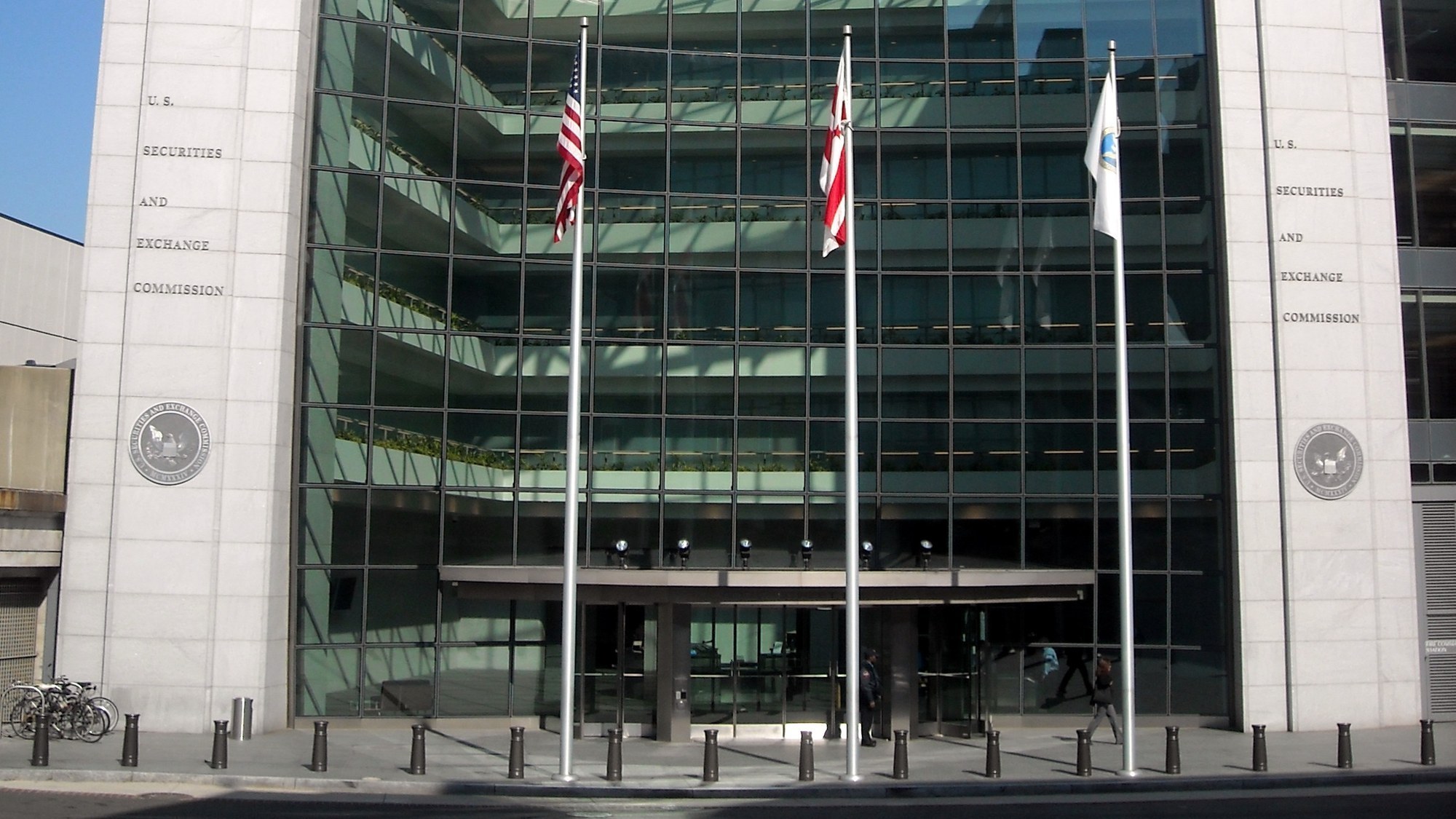
The Securities and Exchange Commission uses the term affinity fraud for investment scams that prey on the members of an identifiable group, whether that group is a particular religious denomination, an ethnic community, a professional circle, or older Americans more broadly. The defining feature is not the specific product being sold, which is often a Ponzi scheme dressed up as a can’t-miss opportunity. The defining feature is the exploitation of the bond that members feel toward one another.
Fraudsters who run these scams frequently are, or pretend to be, part of the group they are targeting. That shared identity does something a cold sales call never could: it lowers the natural guard a person keeps up around money. When the pitch comes from someone who prays at the same church, speaks the same first language, or belongs to the same veterans’ post, the instinct to demand paperwork and verify credentials tends to fall away. The SEC’s guidance at Investor.gov describes exactly this dynamic, warning that the trust and friendship within such groups is the precise thing the con is built to abuse.
Free retirement updates: Scam calls targeting retirees change every week. Our free Retirement Shield newsletter flags the ones going around and the one tell that stops each. Sign up free.
The role of the respected member who vouches
The engine that drives affinity fraud is the endorsement of a leader or well-liked member. A promoter often works to win over a pastor, an elder, a community organizer, or simply a widely admired figure, and lets that person’s standing carry the message to everyone else. In many cases the trusted member is not in on the scheme at all. They genuinely believe the investment is real, may have put their own money in, and pass the opportunity along out of a sincere desire to help their friends prosper.
That is what makes the vouching so dangerous. A recommendation from a respected insider feels like a substitute for independent research, when it is nothing of the kind. The SEC’s publication on avoiding investment scams that target groups emphasizes that a fellow member’s belief in an investment, however heartfelt, is not evidence that the investment is legitimate. The endorser and the endorsed can both be victims of the same lie.
Why retirees in these communities are hit hardest
Older members of a faith community or social club are a natural focus for affinity fraud. They often have retirement savings to invest, deep roots in the group, and long relationships that make suspicion feel like a betrayal of the very people they have known for decades. The schemes also exploit a reluctance to make trouble: a retiree who begins to doubt an investment may hesitate to raise concerns publicly, fearing they will embarrass a friend or sow discord in a community they cherish.
Scammers count on that reluctance to buy themselves time. Because affinity frauds are so often structured as Ponzi schemes, early participants receive real payouts drawn from later investors’ money, and their satisfaction becomes fresh proof to circulate through the group. By the time the payments stop, the money has typically spread across many members of a single congregation or association, magnifying the harm precisely because the network was so trusting.
Verifying without breaking faith with the group
The defense against affinity fraud is not to abandon trust in one’s community but to insist that trust and verification are separate things. An investment that is sound will survive independent scrutiny, so a member can check whether the seller and the offering are registered using the free federal search tools, ask for written details, and consult an outside professional with no ties to the group. Doing so is not an insult to the person who made the introduction; it is ordinary diligence that a legitimate opportunity welcomes.
It also helps to treat certain patterns as warnings regardless of who is presenting them: promises of unusually steady returns, pressure to keep the deal within the community, and discouragement of outside questions. When an investment can only be discussed among members and never examined by a neutral expert, the secrecy itself is the signal. Keeping faith with a community and protecting a retirement account are not in conflict, and the members who verify before they invest are often the ones who spare the whole group from a shared loss.
What a community leader can do before lending a name
Because the endorsement of a respected figure is the mechanism that spreads the fraud, that same figure holds unusual power to stop it. A pastor, an elder, or a club officer approached to promote an opportunity is being asked to lend a reputation that members treat as a guarantee, and the SEC’s guidance urges exactly the skepticism the role demands: confirm that the seller and the offering are registered, ask for written terms, and consult a neutral professional before passing anything along. A leader who quietly runs those checks first protects not one saver but the entire congregation or association that would otherwise follow the recommendation on faith. Declining to vouch until the basics check out is not disloyalty to the group; it is the most valuable service a trusted member can perform for it.
This article was researched and drafted with AI assistance and reviewed against the linked primary sources.
More Financial Reading
- How many CDs can you park at 1 bank? FDIC rules you must know
- What really happens to your joint savings account when you die?