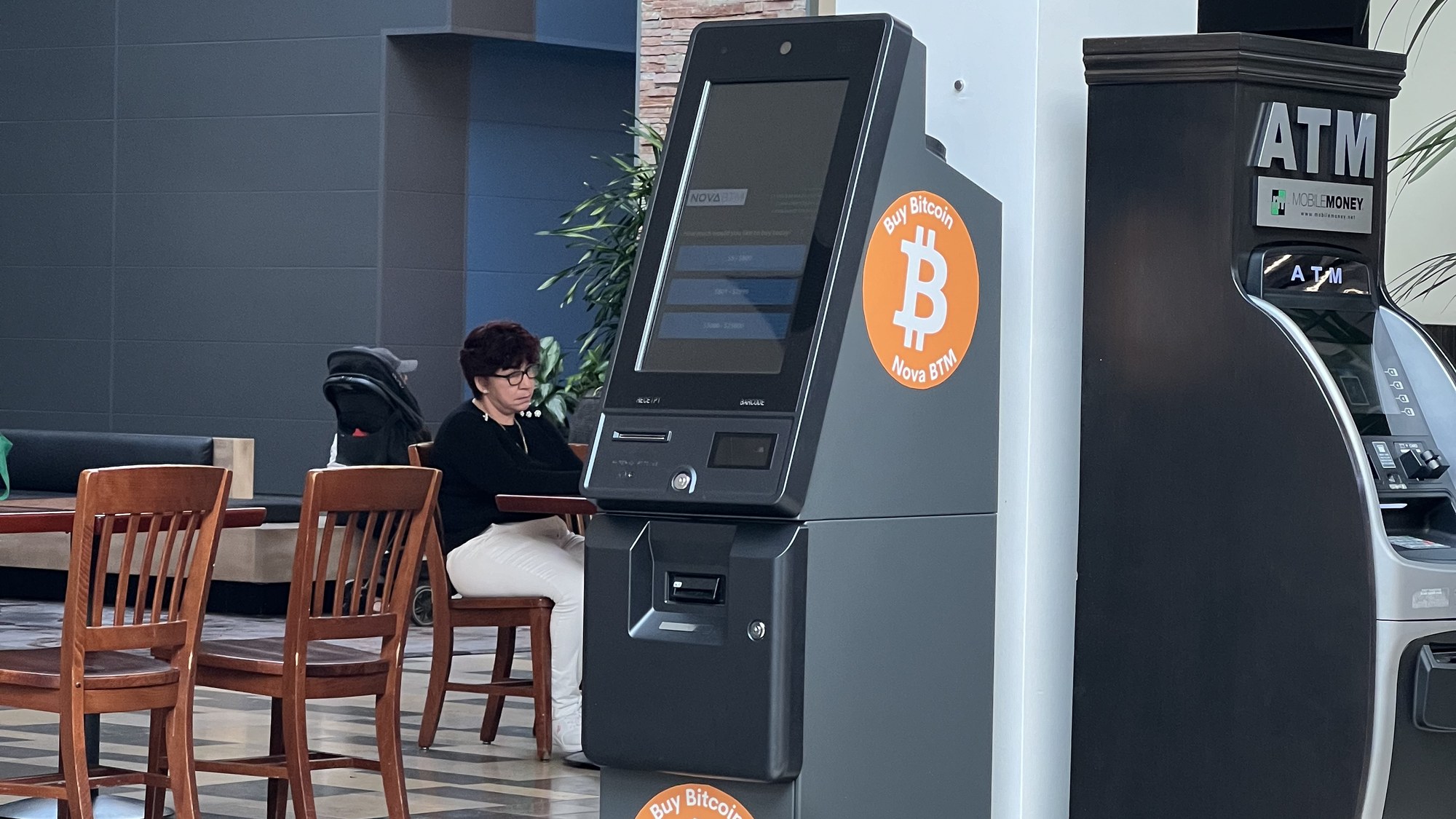
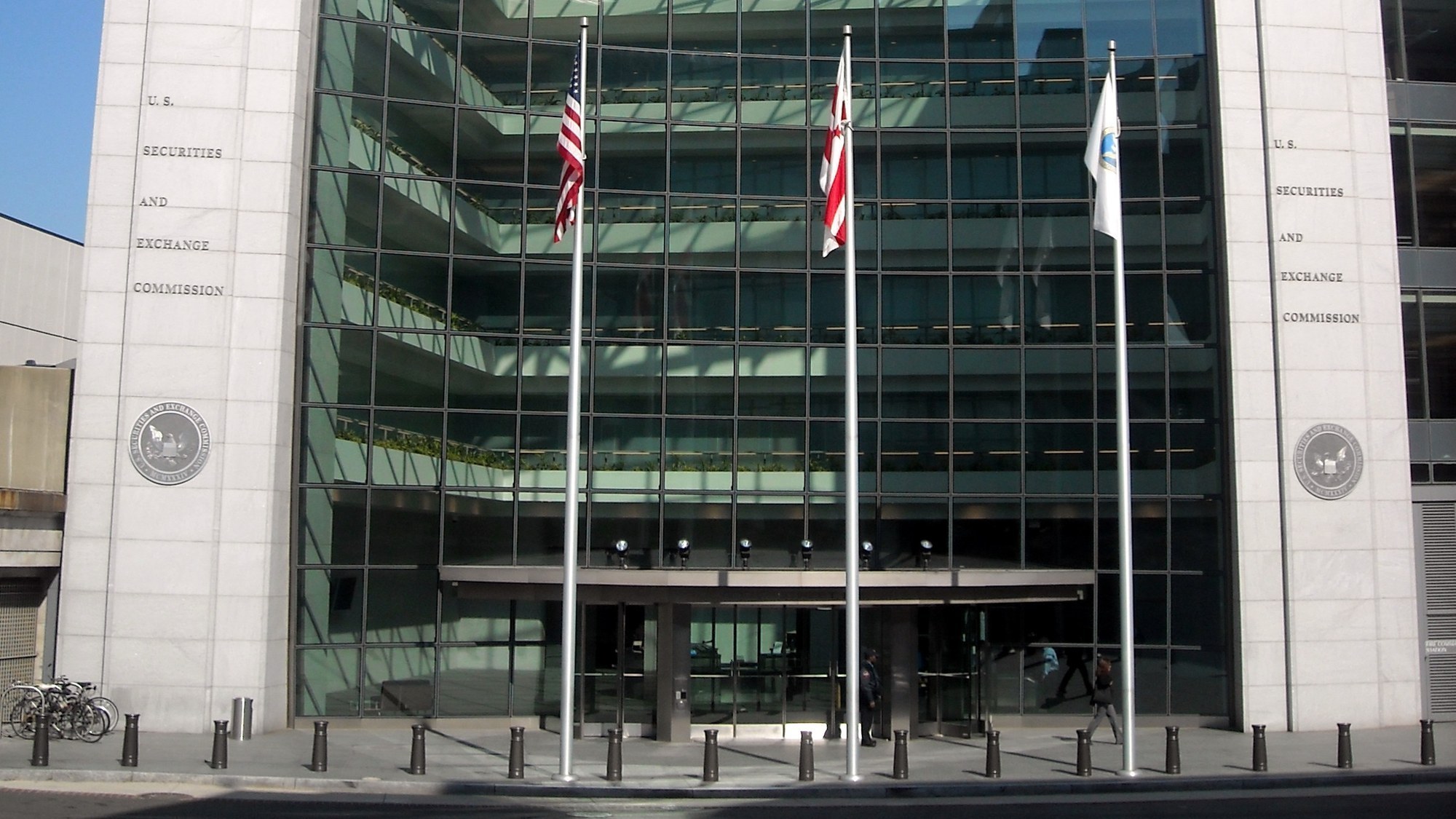
The Justice Department announced in August 2025 that federal agents had seized more than $2.8 million in cryptocurrency, along with $70,000 in cash and a luxury vehicle, in a ransomware and money-laundering case. Dating the action matters: this is not a new investment-fraud seizure. It is a documented example of how alleged cybercrime proceeds can move through wallets, mixing services and cash before investigators restrain them.
Six Warrants Reached Assets in Three Federal Districts
The Justice Department’s August 14, 2025 release says six warrants were unsealed in federal courts in Virginia, California and Texas. The cryptocurrency was taken from a wallet controlled by Ianis Aleksandrovich Antropenko, who was charged in Texas with computer-fraud and money-laundering offenses.
An indictment contains allegations, not a conviction. Prosecutors alleged that Antropenko and others used Zeppelin ransomware to encrypt and take data from individuals, companies and organizations, then demanded payment to decrypt it, keep it private or delete it. The government’s description therefore supports a ransomware case, not an investment ring.
The warrants treated the cryptocurrency and other property as alleged proceeds of ransomware activity or assets involved in laundering those proceeds. A seizure gives the government control while the legal process continues; it does not decide guilt or automatically convert every restrained asset into victim compensation.
Free retirement updates: Scam calls targeting retirees change every week. Our free Retirement Shield newsletter flags the ones going around and the one tell that stops each. Sign up free.
Mixing Services Can Complicate a Trail Without Erasing It
Prosecutors alleged that some assets were laundered through ChipMixer, a cryptocurrency mixing service taken down in an international operation in 2023. Mixing services combine or route transactions in ways intended to make the path harder to follow. Antropenko was also alleged to have exchanged cryptocurrency for cash and deposited the cash in structured amounts.
Blockchain activity is recorded, but a visible transfer does not by itself identify the human controlling a wallet. Investigators may combine wallet analysis with exchange records, device evidence, bank deposits and communications. The warrants show why victims should preserve transaction hashes and wallet addresses rather than assuming a cryptocurrency payment has vanished without a trace.
Traceable does not mean reversible. A wallet can be emptied or routed through many services before a report reaches investigators, and legal claims may exceed the property that is ultimately found. Prompt, specific reporting improves the chance that a household’s transfer can be linked to a larger pattern.
Ransomware Can Hit a Retirement Household Indirectly
A ransomware victim may be a business, medical provider or local organization rather than an individual retiree. Older customers can still bear the financial effects through interrupted care, frozen services, identity exposure or higher operating costs. A household computer can also be attacked directly, followed by a demand for cryptocurrency.
The government’s StopRansomware guidance emphasizes backups, software updates, multifactor authentication and incident reporting. Those controls matter because the cheapest response is recovery from clean systems, not negotiating after the only copy of important files has been encrypted.
Retirees should keep offline or separately secured copies of tax records, estate documents, insurance policies and account inventories. A backup attached continuously to the same computer can be encrypted with the original files. The recovery copy should be tested, not merely assumed to work.
A Seizure Announcement Is Not a Refund Notice
Asset seizure, forfeiture and victim distribution are separate stages. A court determines whether property is forfeitable. If the government obtains it, a remission or restoration process may later evaluate victim claims. The amount seized can be smaller than total losses, and competing ownership claims can affect timing.
That distinction protects victims from recovery scams. Criminals monitor public cases and may contact people with a promise to release government-held cryptocurrency for a fee. A legitimate claims process identifies the administering agency, case and written requirements. It does not demand gift cards or a transfer to a personal wallet.
Victims should retain the original incident number, ransom note, wallet address, transaction record, bank statement and communications with insurers or vendors. Those records support both law-enforcement tracing and any later proof-of-loss process.
The 2025 Record Supports a Narrower Lesson
The official release verifies more than $2.8 million in cryptocurrency, $70,000 in cash and a vehicle seized through six warrants. It also states that the criminal accusations involved ransomware and alleged laundering. It does not support describing the event as a current investment-fraud seizure.
For a household, the useful conclusion arrives before any warrant: maintain recoverable copies of essential files, verify a cryptocurrency demand through an independent channel and preserve every transaction detail if money moves. The government’s asset trail may eventually reach a wallet, but prevention and prompt reporting remain more reliable than assuming seized funds will restore the loss.
This article was created with AI assistance and was reviewed, edited, and fact-checked by The Financial Wire editorial team.
More Financial Reading
- How many CDs can you park at 1 bank? FDIC rules you must know
- Adding someone to your bank account: tax traps and smart moves