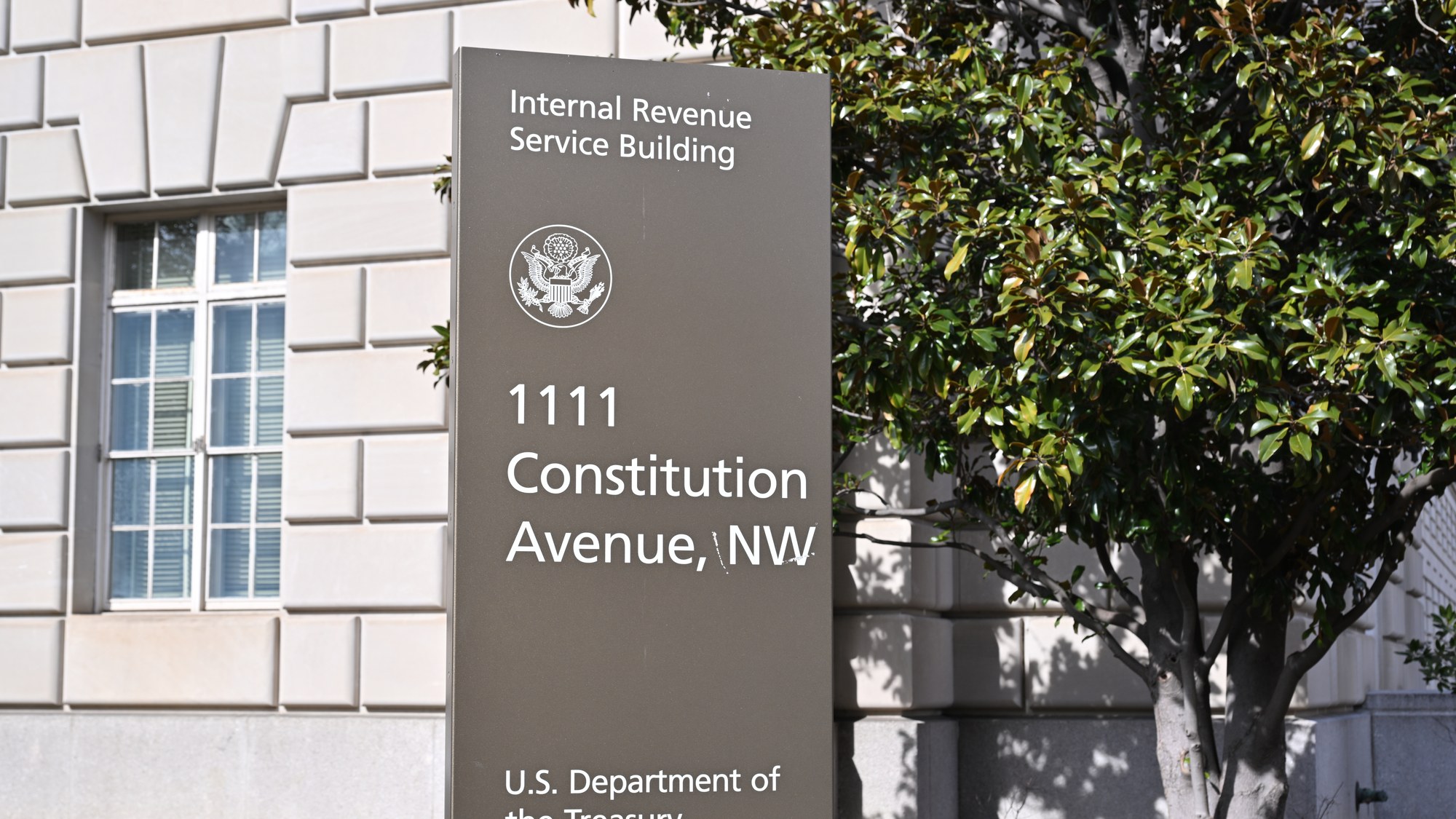
The 2025 tax law created a deduction aimed squarely at older filers: an extra $6,000 write-off for people who are 65 or older. It is a genuine cut for many retirees, but two catches decide whether a household actually gets it. The deduction has to be claimed on a brand-new IRS form, and it starts phasing out once income climbs past $75,000.
Who qualifies and how much it is worth
The break is $6,000 for each qualifying individual who is 65 or older, which means a married couple in which both spouses are 65 can deduct up to $12,000. It sits on top of the regular standard deduction and on top of the additional standard deduction seniors already receive, rather than replacing either one. A filer does not have to be collecting Social Security to claim it; the test is age at the end of the tax year. According to the IRS summary of the law’s individual provisions, the deduction is available whether a person itemizes or takes the standard deduction, so most retirees can use it without changing how they file.
Free retirement updates: A quiet rule change can shrink your Social Security or Medicare check, and no one warns you. The free Retirement Shield newsletter catches these early and tells you what to do. Get it free.
It has to go on the new Schedule 1-A
The deduction does not appear automatically. It is one of several new write-offs the 2025 law created, and the IRS built a dedicated form, Schedule 1-A, to report them. A filer who skips the schedule simply does not receive the deduction, even if they clearly qualify by age. Anyone preparing their own return will need to make sure the software or paper packet includes the new schedule, and anyone using a preparer should confirm it was completed. This is the kind of line item that is easy to miss in the first filing season a form exists.
The phaseout starts at $75,000
Higher income erodes the deduction. It begins phasing out once modified adjusted gross income exceeds $75,000 for a single filer or $150,000 for a married couple filing jointly. The reduction is 6% of the amount by which income tops the threshold. A single filer with $130,000 of modified adjusted gross income, for example, is $55,000 over the line, which cuts the deduction by $3,300 and leaves $2,700 of the original $6,000. The write-off disappears entirely at roughly $175,000 for singles and $250,000 for couples. Because the phaseout keys off modified adjusted gross income, a large one-year event, such as a sizable IRA withdrawal or the sale of an appreciated asset, can quietly shrink or eliminate the deduction for that year.
Younger and higher-income filers get less or nothing
The deduction is narrower than the headline number suggests. Filers under 65 do not qualify at all, so a couple in which one spouse is 66 and the other is 62 can claim $6,000, not $12,000, until the younger spouse reaches the age cutoff. Retirees with pensions, large portfolios, or substantial part-time earnings may find their income sits in the phaseout range, trimming the benefit. For a lower- or middle-income retiree, though, the full $6,000, or $12,000 for a qualifying couple, is a meaningful reduction in taxable income stacked on top of deductions they already take. It is worth being clear about what the deduction is not: it does not repeal the tax on Social Security benefits, despite how it has sometimes been described. Instead it lowers taxable income broadly, which can indirectly reduce how much of a person’s Social Security is taxed, but the two are separate rules. A retiree whose income is low enough that little or none of their Social Security was taxable to begin with may see less benefit than the headline figure implies, simply because there was less tax to erase.
The deduction is set to expire after 2028
Like several pieces of the 2025 law, this one is temporary. It applies to tax years 2025 through 2028 and then sunsets unless Congress renews it. That makes the next few filing seasons the window to capture it. Retirees whose income hovers near the $75,000 threshold have some room to plan, since managing the timing of withdrawals or Roth conversions across years can keep modified adjusted gross income low enough to preserve the deduction. The essential step, though, is simpler: confirm the age qualification, keep income in view, and make sure the deduction actually lands on Schedule 1-A when the return is filed.
This article was researched and drafted with the assistance of AI and reviewed by The Financial Wire editorial team.
More Financial Reading
- Bank statements: how long to keep them and when to toss them
- Adding someone to your bank account: tax traps and smart moves