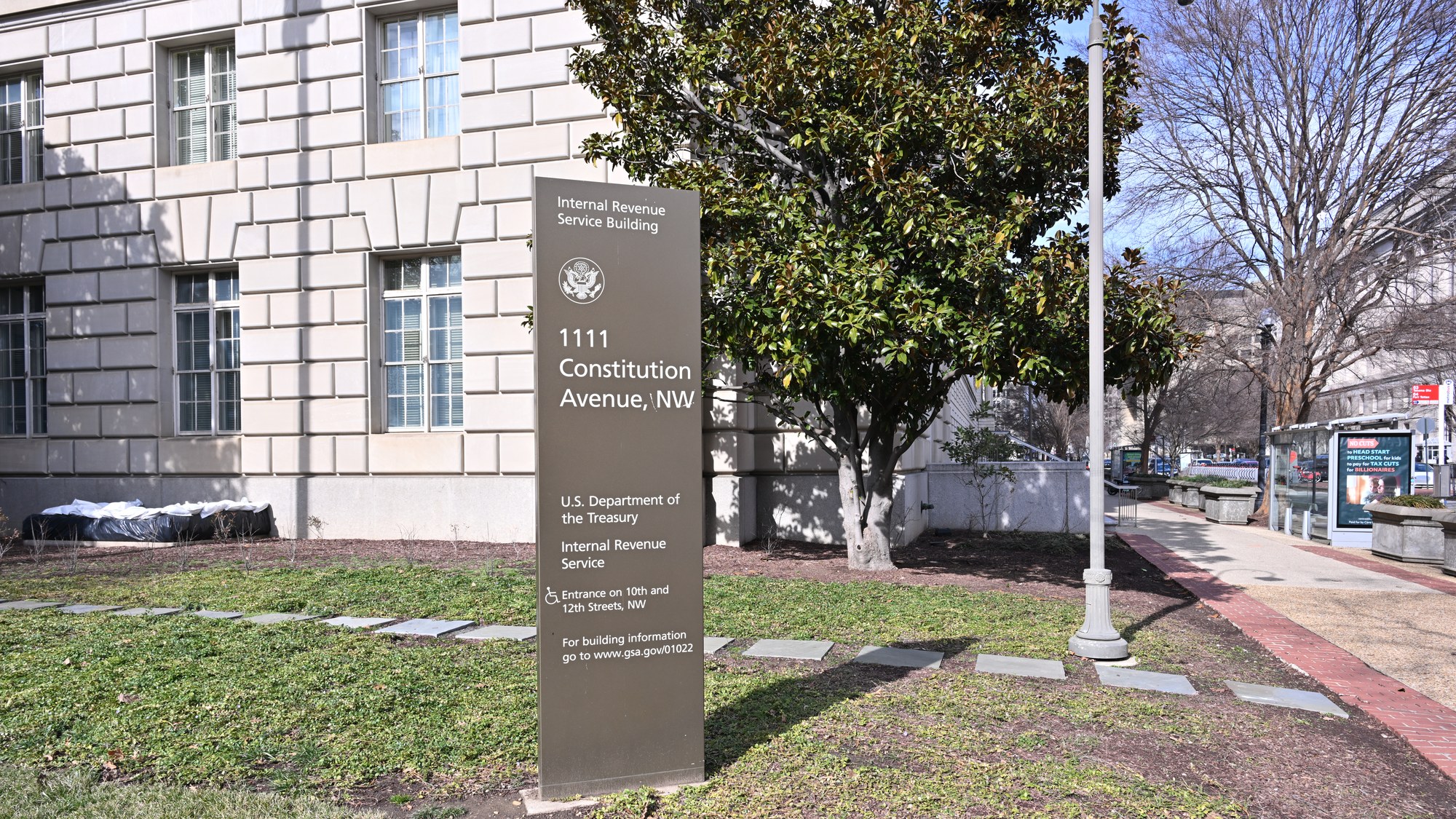
A guilty plea in a South Florida courtroom has put a spotlight on how the government pursues high-dollar tax fraud. Daniel Liburdi, a 37-year-old Miami man, admitted to filing a false tax return and agreed to repay the IRS more than $34.8 million, while forfeiting a collection of luxury property that included two Ferraris and homes in the U.S. Virgin Islands. His sentencing is scheduled for August 18, 2026.
What Liburdi admitted to
According to the Justice Department, Liburdi pleaded guilty to one count of filing a false tax return and agreed to pay $34,846,381 in restitution to the IRS. Prosecutors said he misreported his income across his 2021, 2022 and 2023 returns. On the 2023 return, he falsely claimed that business income had been earned by a U.S. Virgin Islands entity rather than the U.S.-based operations that actually generated it, a move that let him claim an income exclusion he was not entitled to. That single misstatement understated his tax bill by nearly $10 million for that year alone.
Free retirement updates: One number can cost or save hundreds a month in retirement. The free Retirement Shield newsletter surfaces the ones worth knowing. Sign up free.
The Ferraris, homes and accounts he is giving up
Beyond the restitution, Liburdi agreed to the civil forfeiture of a substantial slice of his assets. That includes three pieces of real estate in Miami Beach and the U.S. Virgin Islands valued together at roughly $37.5 million, two Ferraris and a Land Rover Range Rover worth about $1.13 million combined, and the contents of several financial accounts totaling more than $414,000. Forfeiture is separate from restitution: the restitution is meant to make the IRS whole for unpaid taxes, while forfeiture surrenders property tied to the offense. The two together mean the case reaches well beyond the tax bill itself.
How the Virgin Islands exclusion was misused
At the center of the case is a legitimate tax program that Liburdi abused. The U.S. Virgin Islands offers an Economic Development Commission benefit that can sharply reduce taxes for income genuinely earned through qualifying businesses based in the territory. The rules turn on where the income is actually sourced. By dressing up mainland income as Virgin Islands income, Liburdi claimed an exclusion the law reserves for real territorial activity. Cases like this are why the IRS scrutinizes residency and sourcing claims tied to low-tax jurisdictions, and why the paperwork behind such exclusions has to reflect where work is really done. The financial side of these prosecutions is typically built by IRS Criminal Investigation, the agency’s law-enforcement arm, which traces money and reconstructs the true source of income before a case reaches a prosecutor. The forfeited Ferraris and properties are often the visible end of that trail, seized because investigators can tie them to funds the government says were shielded from tax.
The penalty he still faces
The charge Liburdi pleaded to carries a maximum of three years in federal prison. A judge will decide the actual sentence at the August 18 hearing, weighing factors such as the amount of the tax loss, his cooperation, and the terms of his plea agreement. Because sentencing has not yet happened, the prison term remains undetermined, but the financial consequences, the multimillion-dollar restitution and the forfeited property, are already locked in through the plea. Federal tax cases frequently resolve this way, with the money recovered through restitution and forfeiture even when the prison exposure is comparatively short.
Why the case matters for honest taxpayers
The details are extravagant, but the pattern is ordinary enough to be a caution for anyone. The government builds these cases on mismatches between what a return claims and what the records show, whether the issue is a fabricated business location, unreported income, or a deduction that does not hold up. For older taxpayers, the more common risks are quieter versions of the same theme: overstated charitable gifts, misreported income from a small side business, or aggressive claims pushed by a promoter promising a too-good deduction. The safeguard is documentation that matches reality and a healthy skepticism toward any arrangement that promises to make sizable income disappear from a tax return. Enforcement actions like this one are a reminder that the IRS pursues the paper trail, sometimes years after the return is filed. That lag is worth remembering: a return signed today can be examined well into the future, and the burden of proving a deduction or an income exclusion falls on the taxpayer, not the government. Keeping clean records for several years after filing is less about fear of prosecution than about being able to answer a question if one ever comes.
This article was researched and drafted with the assistance of AI and reviewed by The Financial Wire editorial team.
More Financial Reading
- The ideal retirement withdrawal rate so your savings actually last
- How many CDs can you park at 1 bank? FDIC rules you must know