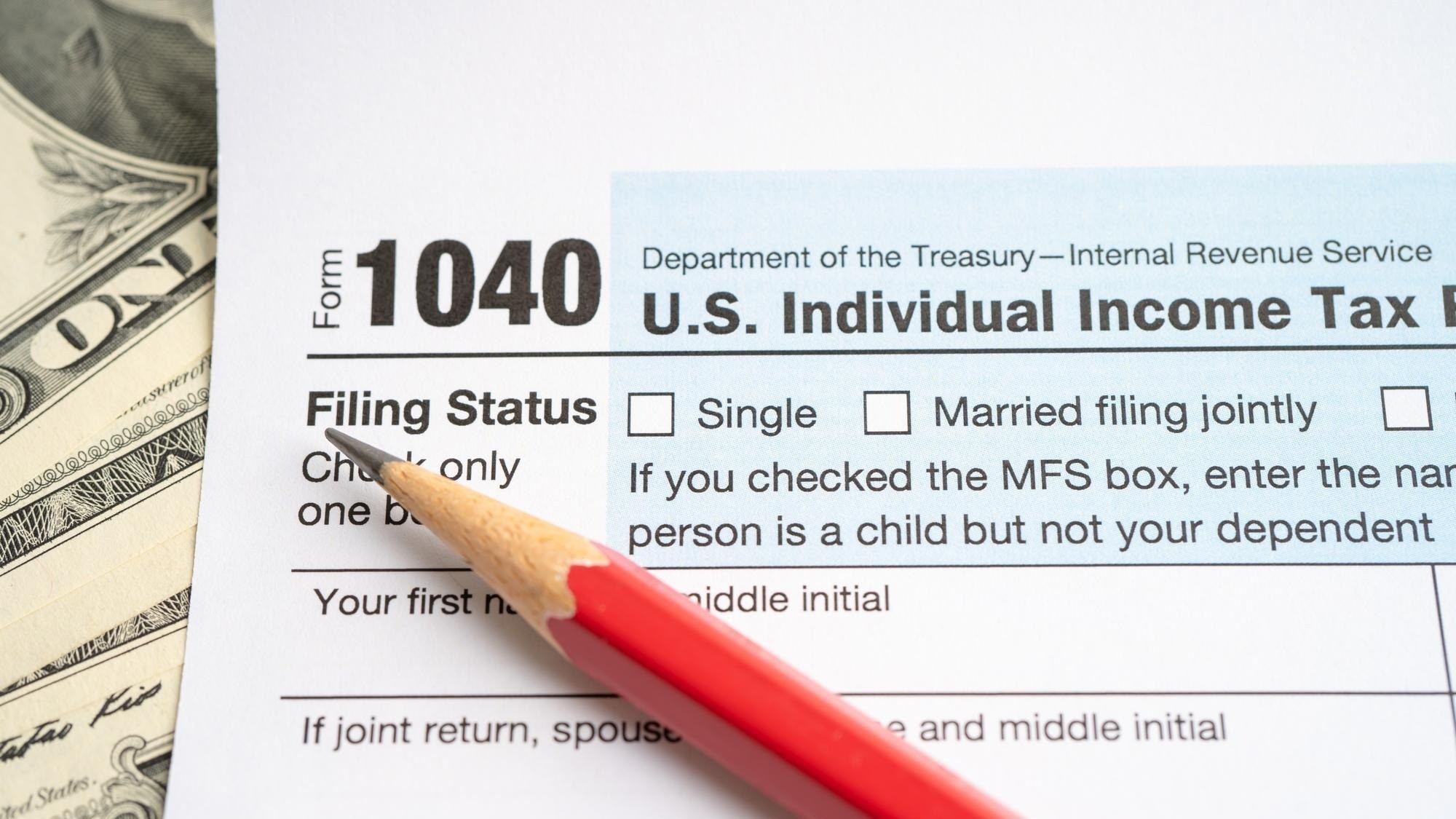
Most retirees treat a Social Security check as money that no one can touch. When the debt is unpaid federal taxes, that assumption falls apart. Through a collection program that runs largely on autopilot, the IRS can skim up to 15 percent off a monthly benefit to chip away at a delinquent tax bill. It can do so without ever walking into a courtroom or asking a judge for permission, a power that surprises even people who have owed the agency for years.
How the Federal Payment Levy Program reaches a benefit
The tool is the Federal Payment Levy Program, an automated system that matches federal payments flowing out of the Treasury against tax debts owed to the IRS. When a match hits, a continuous levy attaches to the payment and stays in place until the balance is resolved. It applies to Social Security retirement and survivors benefits, the checks that most older Americans live on. Disability benefits paid under the Social Security Disability Insurance program were removed from the automated levy as of October 2015, and needs-based Supplemental Security Income is exempt entirely.
Because the program is electronic and ongoing, the 15 percent comes off month after month rather than in a single seizure. The IRS description of the program frames it as a routine backstop for accounts that have moved through the normal billing cycle without payment. For a retiree drawing a $1,800 monthly benefit, a 15 percent levy pulls $270 out of each check, a recurring bite that continues until the tax debt is paid, settled, or the levy is formally released.
Free retirement updates: Keep more of a Social Security check and savings with plain-English updates on the changes, deadlines, and costly mistakes retirees miss. Subscribe free.
Why no court order is required
A private creditor — a credit-card company, a hospital, a debt buyer — generally has to sue, win a judgment, and go through a court before it can garnish wages or freeze an account, and federal law shields Social Security from most of those creditors outright. The IRS operates under different authority. As a federal tax agency, it can issue an administrative levy on its own, and that authority extends to benefit payments. What stands between a taxpayer and the levy is not a judge but a notice. The IRS must send a Final Notice of Intent to Levy and Notice of Your Right to a Hearing, and the levy cannot proceed until at least 30 days after that notice. Ignoring the letter, not a court ruling, is what lets the money start coming out.
What the levy takes, and what it leaves
The automated program is capped at 15 percent of each covered payment, a deliberately narrow slice meant to keep collecting without wiping out a benefit. Separate manual levies exist for other situations and follow their own exemption rules, but the systemic Social Security levy stays at that 15 percent line. The IRS guidance on eligible benefits confirms which checks the program can reach and reiterates that disability and SSI payments sit outside it. That distinction matters for households that assume every federal check carries the same protection; retirement and survivors benefits do not.
There is a sharper version of the tool that retirees are less likely to hear about. The 15 percent cap applies to the automated Federal Payment Levy Program, but the IRS can also issue a manual levy on Social Security benefits, and a manual levy is not held to 15 percent — it instead leaves the taxpayer only the amount exempt under the standard levy tables, which can claim a far larger slice of a check. The agency reserves that heavier approach for cases it works by hand, but its existence means the automated 15 percent is a floor on IRS reach, not a ceiling.
The levy also does nothing to reduce the underlying debt beyond the dollars it collects. Penalties and interest keep accruing on the unpaid balance while 15 percent trickles in, so a large tax debt can grow even as the checks shrink. A retiree watching the benefit drop without addressing the balance can end up levied for years and still owe money at the end of it.
How retirees stop or release the levy
The fastest way to end the drain is to get the account into an arrangement the IRS recognizes. Entering an installment agreement, being placed in “currently not collectible” status because the benefit is needed for basic living expenses, or settling through an offer in compromise can each prompt the agency to release the levy. The 30-day notice window is also a genuine opening: requesting a Collection Due Process hearing pauses collection and lets a taxpayer dispute the debt or propose an alternative before the money moves. The IRS levy guidance spells out those release paths, and it points the same direction each time — the benefit is reachable, but a response filed on time keeps far more of it in the retiree’s pocket than silence does.
Low income is itself a defense. A retiree who shows the benefit is needed for basic living expenses can be placed in “currently not collectible” status, which halts the levy even though the debt stays on the books, and the same hardship can support releasing a levy already in place. Time is another limit: the IRS generally cannot collect a tax debt more than ten years after it was assessed, so a levy cannot run forever on an old balance. The through-line is that none of these outcomes happen on their own — each requires the retiree to answer the notices and file the paperwork, which is the single step that separates a manageable resolution from years of a quietly shrinking check.
This article was produced with the assistance of artificial intelligence and reviewed by The Financial Wire editorial team.
More Financial Reading
- Adding someone to your bank account: tax traps and smart moves
- The ideal retirement withdrawal rate so your savings actually last