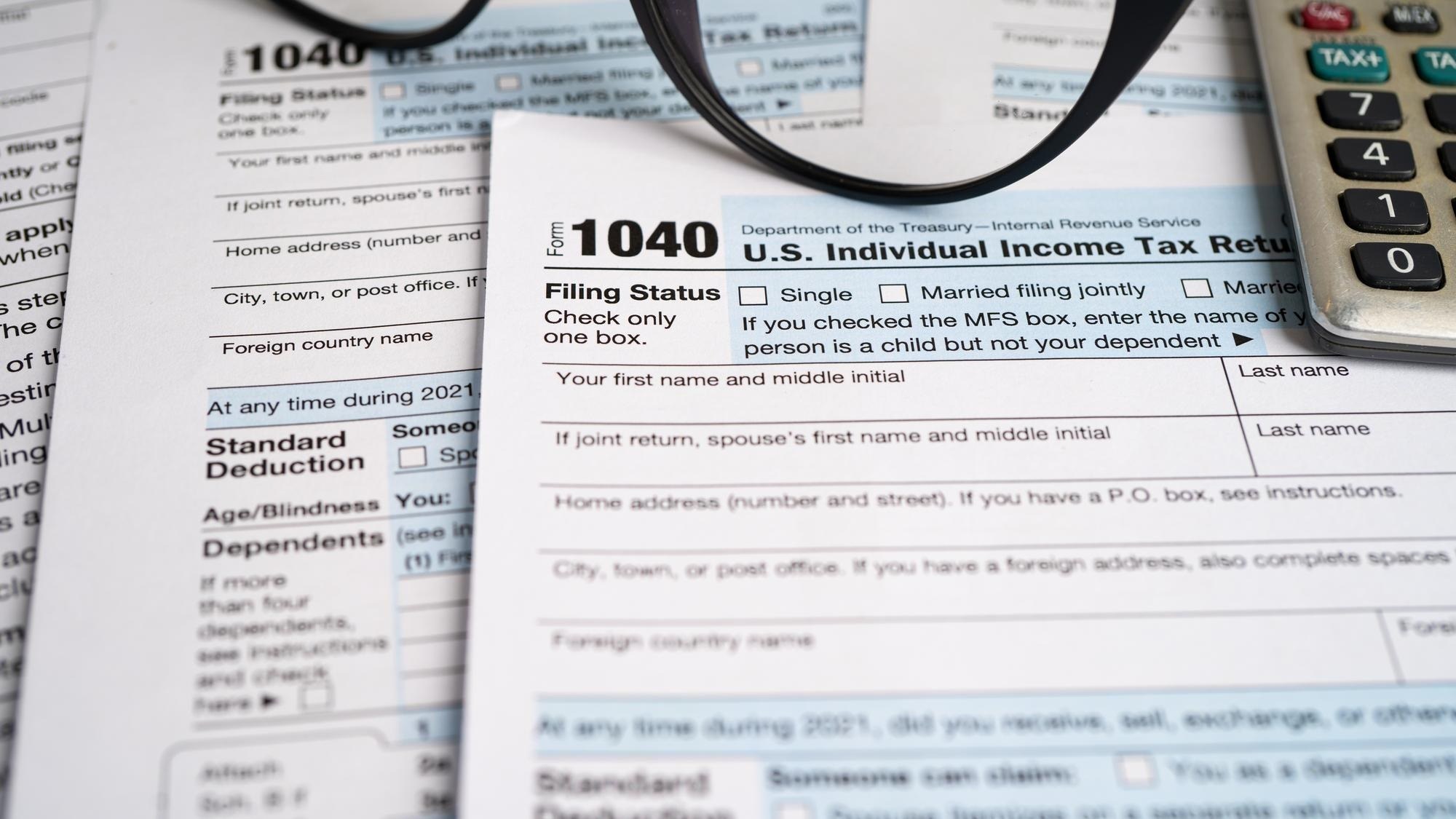
Losing a spouse reshapes a household’s taxes almost as sharply as its daily life, and the change usually arrives at the worst possible moment. The year after a death, many widows and widowers discover that their income no longer fits under the wider joint tax brackets, and the bill climbs even though the money coming in has often shrunk. The tax code offers a narrow cushion for one specific group: a surviving spouse who is still raising a child at home can keep using the more generous joint rates for a limited stretch.
What qualifying surviving spouse status actually provides
The filing status is called qualifying surviving spouse, and it is spelled out in IRS Publication 501. For the year a spouse dies, the survivor can generally still file a joint return, which preserves the couple’s brackets and standard deduction. The special status covers the two tax years after that. During those years, a qualifying surviving spouse uses the same tax-rate schedule and the same standard deduction amount as a married couple filing jointly, rather than the narrower single-filer figures.
The difference is not cosmetic. Single brackets reach higher tax rates at far lower income levels than joint brackets do, so the same pension, Social Security, and investment income can be taxed more heavily the moment a survivor is pushed to single status. Two extra years at joint rates can be worth thousands of dollars to a household still absorbing the loss of one earner’s benefits.
Free retirement updates: One number can cost or save hundreds a month in retirement. The free Retirement Shield newsletter surfaces the ones worth knowing. Sign up free.
The dependent child is the condition that unlocks it
The break is not automatic for every widow or widower. The survivor must have a dependent child, stepchild, or adopted child living in the home for the year, and must pay more than half the cost of keeping up that home. A foster child does not qualify, and a grandchild generally does not count unless the survivor has legally adopted the child. The survivor also cannot have remarried by the end of the tax year in question; a new marriage ends the status immediately.
Because the qualifying condition is a dependent child at home, the relief tends to reach younger widows and widowers, along with older Americans raising a grandchild they have adopted or a disabled adult child who still meets the dependency rules. When the last qualifying child ages out or moves away, the status is gone even if the two-year window has not run out. At that point the survivor typically shifts to head of household, if a dependent remains, or to single filing.
What happens when the two years run out
The end of the qualifying period is where the tax jump lands hardest, and it is worth anticipating rather than discovering on a return. Once a survivor moves to single or head-of-household status, the standard deduction shrinks and the brackets tighten. A retiree drawing the same amount from an IRA can suddenly owe more, and a larger slice of Social Security can become taxable because the income thresholds for single filers are lower than for couples. The IRS filing guidance notes that a taxpayer should use the status that applies as of the end of each tax year, so the switch happens on a fixed schedule that cannot be stretched.
Survivors raising a child also should not overlook the credits that ride alongside the filing status. A surviving parent may still claim the child tax credit and, depending on income and the child’s situation, the credit for child and dependent care. The IRS child tax credit rules set out the age and dependency tests, which line up closely with the ones that establish qualifying surviving spouse status in the first place.
For an older reader helping a recently widowed relative, the practical takeaway is to confirm the filing status early, before an accountant or tax software defaults a survivor to single. The year of death allows a joint return; the two following years may allow joint rates if a dependent child remains at home; and the year after that usually brings the higher single-filer tax that catches so many survivors by surprise. Mapping out that timeline in advance turns a jarring jump into a planned one, and it can shape decisions about when to take a large IRA withdrawal or sell an asset while the wider brackets still apply.
Planning around the two-year cliff
The size of the eventual jump is easy to underestimate. The single standard deduction is roughly half the amount a married couple claims jointly, and single tax brackets reach each higher rate at far lower income than joint brackets do — so the same pension and IRA income can be taxed at a higher marginal rate the moment a survivor loses joint status. A widow drawing a steady $60,000 a year can find that an identical income produces a noticeably larger federal tax bill under single rates than it did while the joint schedule still applied, with more of her Social Security pulled into the taxable column at the same time.
That predictable cliff is what makes the qualifying years valuable for planning rather than just relief. A survivor who knows the higher-tax year is coming can weigh accelerating a large IRA withdrawal, converting part of a traditional IRA to a Roth, or realizing a capital gain while the wider brackets and larger deduction are still within reach. Filers who are 65 or older also claim an additional standard deduction on top of the base amount, a further reason to confirm the correct status on each return rather than letting software default to single. The tax code offers the cushion only to survivors who know it exists and act before the two-year window closes; once it lapses, the higher single-filer tax is permanent.
This article was researched and drafted with the assistance of AI and reviewed by The Financial Wire editorial team.
More Financial Reading
- What really happens to your joint savings account when you die?
- The ideal retirement withdrawal rate so your savings actually last