The steel door of a bank vault suggests total protection, and many customers assume that whatever they lock inside a safe-deposit box carries the same government guarantee that protects their checking and savings accounts. It does not. Federal deposit insurance covers deposit accounts, not the contents of a rented box, and that gap can leave cash, jewelry, and irreplaceable documents unprotected in exactly the moment a saver expects a backstop.
What federal deposit insurance actually protects
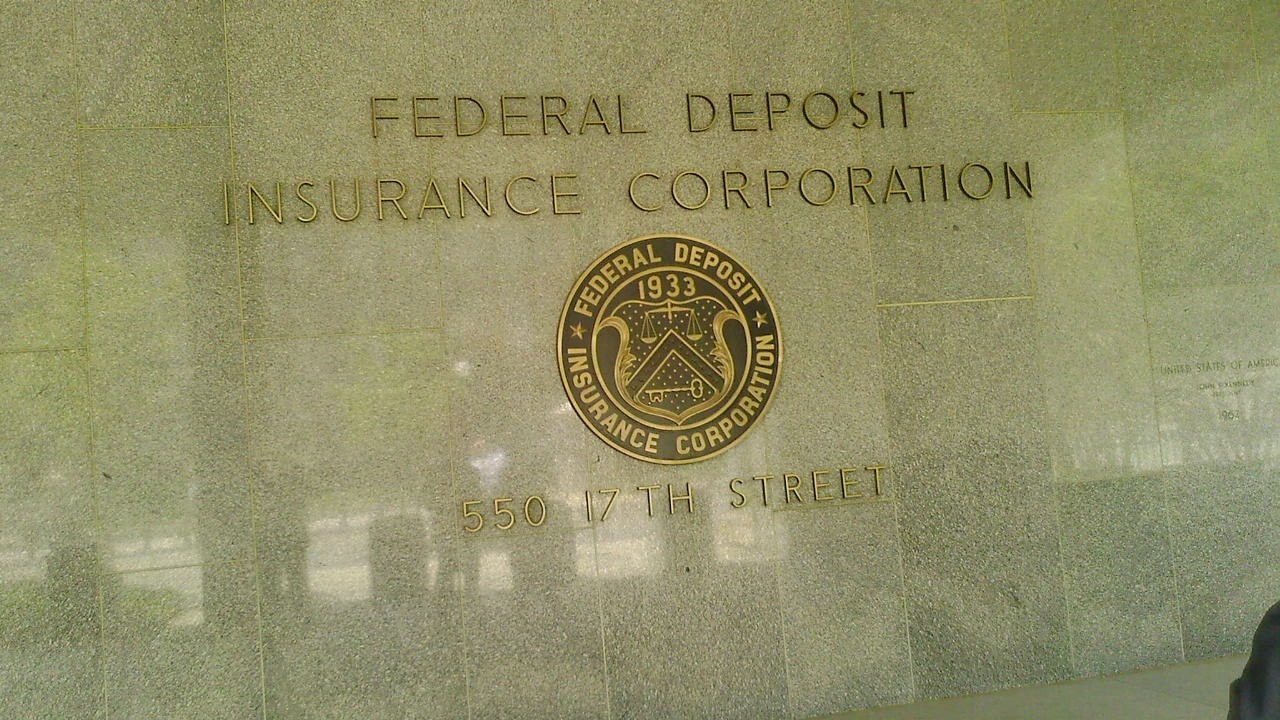
Deposit insurance is narrowly defined. It covers deposit products such as checking accounts, savings accounts, money market deposit accounts, and certificates of deposit if an insured bank fails. The Federal Deposit Insurance Corporation states plainly that the contents of a safe-deposit box are not deposits and therefore are not insured by the FDIC. The coverage attaches to money the bank owes an account holder, not to physical property the customer stores on the premises, and that distinction holds no matter how secure the vault appears.
Free retirement updates: One number can cost or save hundreds a month in retirement. The free Retirement Shield newsletter surfaces the ones worth knowing. Sign up free.
Why the contents fall outside coverage
A safe-deposit box is a rental arrangement, not a deposit relationship. The bank leases secured space and controls access to the vault, but it does not take ownership of what goes inside and generally does not know what a box contains. Because the property never becomes a liability of the bank, there is nothing for deposit insurance to reimburse. The FDIC’s deposit insurance framework is built around returning insured deposits when a bank collapses, a mechanism that has no application to a customer’s own valuables locked in a box, which remain the customer’s property and the customer’s risk throughout.
The risks that are genuinely uncovered
If a box is damaged by a flood, fire, or other disaster, or if items are lost or stolen, neither the FDIC nor, in most cases, the bank automatically makes the customer whole. Lease agreements typically limit the institution’s liability sharply, sometimes to a token amount, and courts have often sided with banks that exercised reasonable care. That leaves the box holder bearing the risk for the cash, gold coins, or heirloom jewelry inside. Picture a fire or a burst pipe that ruins a box holding several thousand dollars in cash and a grandmother’s rings: deposit insurance pays nothing, and the lease may cap the bank’s responsibility at a fraction of the loss. It is one reason financial professionals discourage storing large amounts of physical cash in a safe-deposit box, since it earns no interest, carries no insurance, and can vanish without recourse. Cash also has a second disadvantage: because the bank does not know a box holds currency, there is no record to support a claim, so even a homeowner’s policy that would cover jewelry may pay little or nothing for banknotes that cannot be documented.
How older savers can close the gap
The practical fix is private insurance. A homeowners or renters policy may extend limited coverage to property kept off-premises, including in a safe-deposit box, but the sublimit is often modest, and separate riders or a standalone valuables policy can insure jewelry, coins, and collectibles for their appraised worth. An older saver who keeps meaningful assets in a box should confirm in writing what a policy covers, document the contents with photographs, receipts, and appraisals, and keep that inventory somewhere other than the box itself. Spreading risk this way restores the protection that deposit insurance was never designed to provide, and it gives an insurer the documentation it will demand before paying any claim. Reviewing those coverage limits every few years, and after any large purchase or appraisal, keeps the protection matched to what the box actually holds rather than to what it held when the policy was first written.
What belongs in a box, and what does not
A safe-deposit box remains an excellent place for items that are hard to replace but not needed on short notice: property deeds, birth and marriage certificates, military records, and similar documents. It is a poor place for anything that must be reached in an emergency or after a death, because access can be frozen while an estate is sorted out. Original wills, health-care directives, funeral instructions, and cash for immediate needs are better kept accessible elsewhere. Matching the contents to the box’s real strengths, and insuring the valuables separately, gives a retiree security that does not depend on a guarantee the box never carried.
Access after a death can complicate an estate
Families are often caught off guard when a box is sealed after the renter dies. Depending on state law and how the box is titled, a bank may restrict entry until an executor is appointed or a court order is produced, which can delay access to the very documents needed to settle the estate. Adding a co-renter with independent access, or keeping duplicates of critical paperwork outside the vault, spares survivors a scramble at an already difficult time and keeps an uninsured box from becoming a second source of loss just when the family can least absorb it.
This article was researched and drafted with the assistance of AI and reviewed by The Financial Wire editorial team.
More Financial Reading
- What really happens to your joint savings account when you die?
- Bank statements: how long to keep them and when to toss them