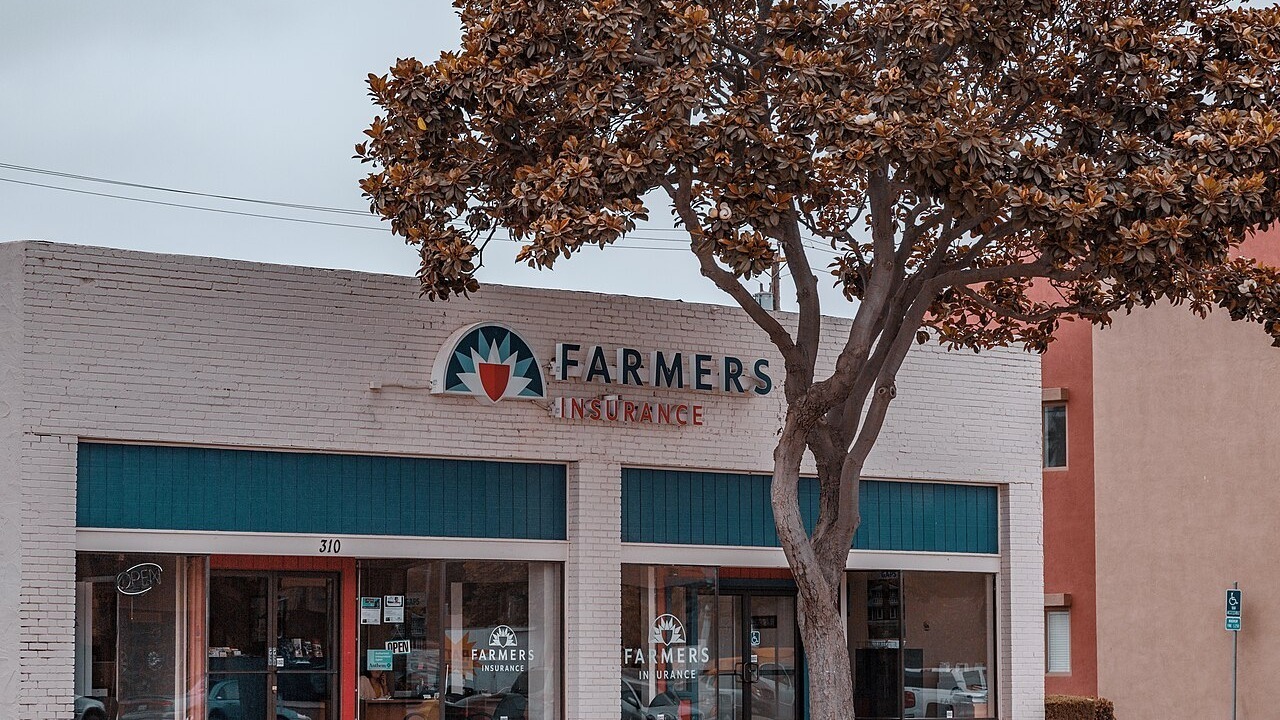
People who received unsolicited telemarketing calls or texts pushing Farmers insurance may be owed money from a $1.25 million class action settlement, with individual payments running up to $160. The claim deadline is September 14, 2026. For older consumers who fielded a stream of unwanted sales calls, the settlement is a chance to be compensated for a nuisance that federal law was written to prevent.
The telemarketing law at the center of the case
The lawsuit was brought under the Telephone Consumer Protection Act, the federal statute that restricts unsolicited marketing calls and texts, particularly to numbers on the national Do Not Call registry or made without the required consent. The law is strict because it attaches statutory damages to each violating call, which is what gives consumers leverage even when a single call caused no measurable financial harm. The settlement resolves allegations that certain agents marketing Farmers insurance placed calls and messages that violated those rules. Farmers has not admitted wrongdoing; settlements of this kind allow a company to close the litigation without a court finding of liability, while making funds available to the people who were contacted.
Free retirement updates: Keeping more of a Social Security check and savings gets easier with plain-English updates on the changes, deadlines, and costly mistakes retirees miss. Subscribe free.
Who is included in the class
Eligibility is tied to having received marketing calls or text messages from a specific set of named insurance agents and their agencies during a defined period. According to the settlement summary, the class covers individuals contacted by those agents marketing Farmers insurance across a multiyear window. Someone who remembers repeated Farmers sales calls but is unsure whether they qualify can check the class definition and, where required, whether their number appears in the settlement administrator’s records. Because the class is defined by the specific agents involved, not by anyone who ever heard from Farmers, checking the notice or the administrator’s site is the only reliable way to confirm inclusion.
How much a claim is worth
Class members can receive a pro rata share of the settlement fund, up to $160 each. Because the total fund is fixed at $1.25 million, the actual per-person payment depends on how many valid claims are filed and on the administrative costs, attorney fees, and any service award to the named plaintiff that come out of the fund first. If a large number of people file, individual checks may come in below the $160 ceiling; if relatively few file, payments move closer to the maximum. The figure is a cap, not a guaranteed amount, which is a routine feature of these common-fund settlements and worth understanding before counting on a specific check.
Filing a claim before the deadline
Claims can be submitted online or by downloading a paper form to mail or email to the settlement administrator, and all valid claims must be filed by September 14, 2026. A final approval hearing is scheduled for late August 2026, the step at which the court decides whether to approve the settlement and authorize payments; class members do not need to attend or hire a lawyer to receive their share. Filing is free, and no legitimate administrator charges a fee or asks for bank login credentials to process a class action payment, so any such request is a red flag for a copycat scam riding on the real case. Claimants should also keep the confirmation number or emailed receipt the administrator provides, since it is the simplest proof a claim was filed on time if a question arises before checks are mailed months later.
Why this matters for older Americans
Retirees are disproportionately targeted by unwanted calls and are among the most frequent filers of Do Not Call complaints. A settlement like this one converts a familiar irritation into a small, concrete recovery, and it reinforces that the protections in the TCPA have teeth. Each proven violation of the law can carry statutory damages measured in hundreds of dollars, which is why even a modest common fund can be assembled from a pattern of calls, and why companies settle rather than risk a larger judgment at trial. For a household on a fixed income, up to $160 for a few minutes of paperwork is a reasonable return, and the case is a reminder that consumers have standing when marketers ignore the rules rather than simply having to endure the calls.
Reducing unwanted calls going forward
Beyond the claim, the episode is a prompt to cut down future robocalls and telemarketing. The Federal Communications Commission recommends registering numbers on the national Do Not Call list, using carrier-level and phone-based call-blocking tools, and declining to engage with suspicious callers rather than pressing buttons to opt out, which can confirm a live line and invite more calls. Keeping a brief log of unwanted calls, with dates and the caller’s number, also makes it easier to file complaints and, when the situation warrants, to join future actions. Claiming the Farmers settlement and tightening those defenses together turn an unwanted call into both a payout and better protection, and they build the habit of documenting the next round of calls so a future complaint or claim is easier to support.
This article was researched and drafted with the assistance of AI and reviewed by The Financial Wire editorial team.
More Financial Reading
- How many CDs can you park at 1 bank? FDIC rules you must know
- Adding someone to your bank account: tax traps and smart moves