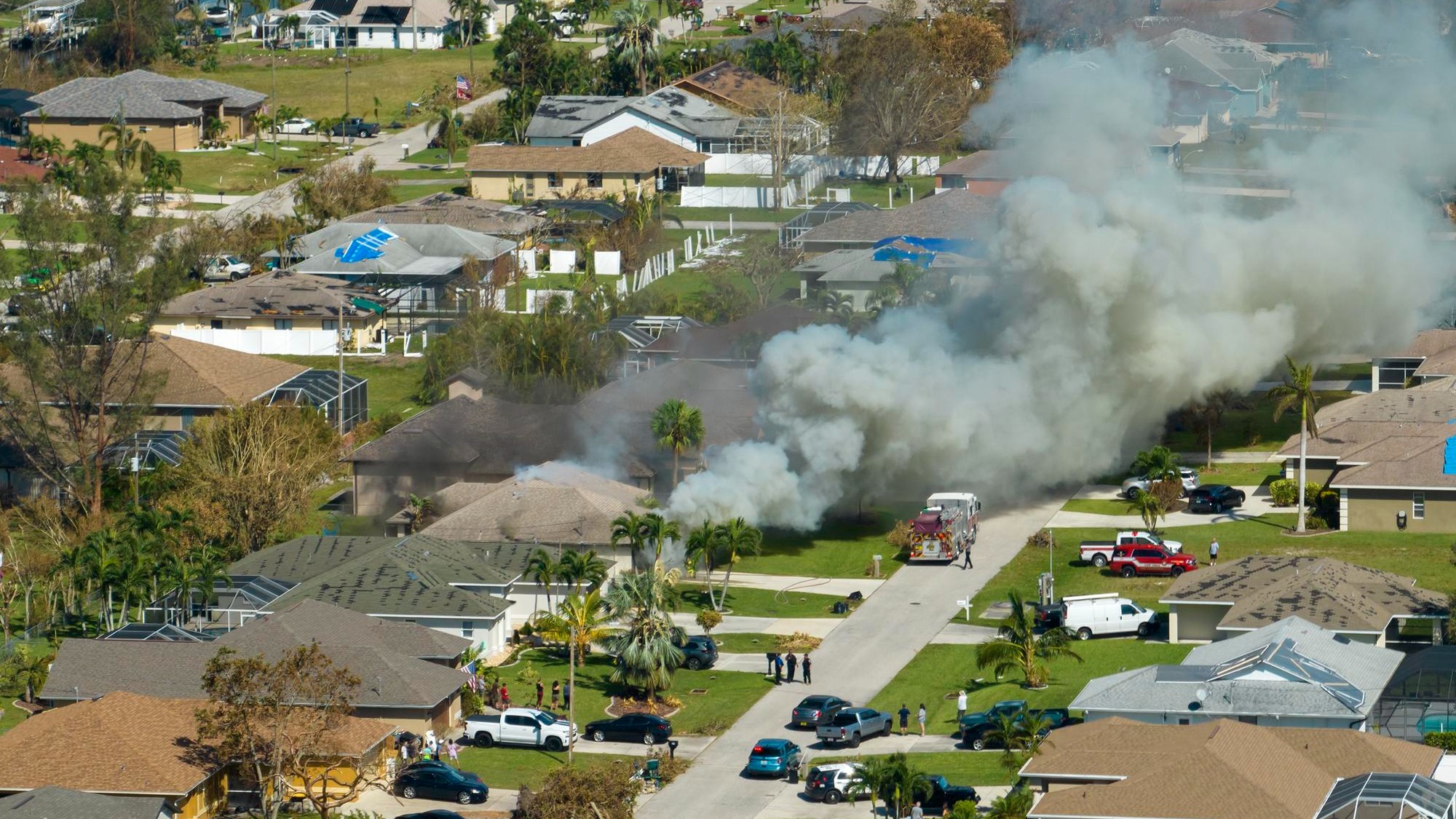
For the first time, insurance regulators have assembled a nationwide picture of the homeowners insurance market, and the findings confirm what many older homeowners have felt at renewal: premiums have climbed steeply and coverage has grown harder to keep. The analysis from the National Association of Insurance Commissioners shows inflation-adjusted premiums rising between roughly 18% and 43% across regions since 2018, alongside a sharp increase in the rate at which insurers decline to renew existing policies.
What the NAIC assembled and why it is a first
The report draws on seven years of standardized data that insurers file with state regulators, giving a countrywide, state-level view that had not existed before in a single analysis. The NAIC describes the study as a first-of-its-kind examination of homeowners property insurance market dynamics from 2018 through 2024. Because it pulls from mandatory filings rather than voluntary surveys, it offers regulators and consumers a more complete baseline for understanding how costs and availability have shifted, and it lets state officials compare their own market against the national pattern instead of relying on scattered anecdotes from policyholders.
Free retirement updates: Enrollment and claim windows come and go, and missing one can cost real money. The free Retirement Shield newsletter stays ahead of the deadlines that matter. Sign up free.
How steep the premium increases were
The average premium per policy rose across every region the NAIC tracks. After adjusting for inflation, increases ranged from about 18% in the Northeast to more than 43% in Western states, with the Southeast and Midwest landing in between. Framed as an annual figure, that works out to average yearly increases of several percentage points on top of general inflation, compounding year after year. For a homeowner whose income is largely fixed, a premium that climbs faster than a Social Security cost-of-living adjustment steadily consumes a larger share of the monthly budget: a policy that cost a few thousand dollars a year at the start of the period can be hundreds of dollars more expensive by its end, money that has to come from somewhere else in a retiree’s spending.
The bigger threat: being dropped
Rising cost is only part of the story. As CNBC reports on the findings, company-initiated non-renewals climbed sharply, with the rate at which insurers declined to renew policies rising substantially depending on the region. Being non-renewed is more disruptive than a rate hike, because it forces a homeowner to find replacement coverage quickly, often at a higher price or through a state-backed insurer of last resort that may offer thinner protection. For an older owner in a wildfire, hurricane, or flood-exposed area, losing coverage can also jeopardize a mortgage that requires insurance to remain in force, and a lapse can trigger costly lender-placed insurance that protects the bank rather than the homeowner.
What is driving the squeeze
The pressures behind the numbers are structural. More frequent and severe weather events have raised the claims insurers pay, while the cost of rebuilding, driven by higher prices for materials and labor, has increased the value at risk on every policy. The rising cost of reinsurance, the coverage insurers themselves buy to spread catastrophic risk, feeds through to consumer premiums as well. These forces fall hardest on regions most exposed to catastrophe, which is why the largest increases and the heaviest non-renewal activity cluster in particular parts of the country rather than spreading evenly across it.
The Squeeze on a Fixed Retirement Budget
Homeowners insurance is not optional for anyone carrying a mortgage, and even those who own outright are gambling their largest asset if they go without it. For retirees, the combination of higher premiums and thinner availability can force hard choices: raising deductibles to lower the premium, trimming coverage below what a full rebuild would cost, or absorbing an expense that grows every year. Some older owners respond by shopping more aggressively at renewal, bundling home and auto policies for a discount, or hardening their homes against the specific risks insurers price for, such as a new roof, storm shutters, or defensible space, steps that can moderate a premium even in a difficult market and, in some states, unlock mandated mitigation credits. Others learn the hard way that dropping coverage to save money exposes the whole value of the home to a single fire or storm, a gamble that can erase decades of savings in an afternoon, so most advisers treat cutting insurance entirely as a last resort rather than a budgeting tool.
Why a regulator’s data matters to consumers
A nationwide dataset gives homeowners and lawmakers something they lacked: evidence, rather than anecdote, about where the market is tightening. State insurance departments use figures like these to weigh rate requests and to design programs that keep coverage available, and consumers can use the same trends to understand whether their own experience reflects a regional pattern rather than a personal mistake. The report does not lower anyone’s premium, but it names the scale of the problem clearly, and for older homeowners deciding how to protect a home and a budget at the same time, an accurate map of the market is a meaningful place to start a conversation with an agent or a state regulator.
This article was researched and drafted with the assistance of AI and reviewed by The Financial Wire editorial team.
More Financial Reading
- How many CDs can you park at 1 bank? FDIC rules you must know
- What really happens to your joint savings account when you die?