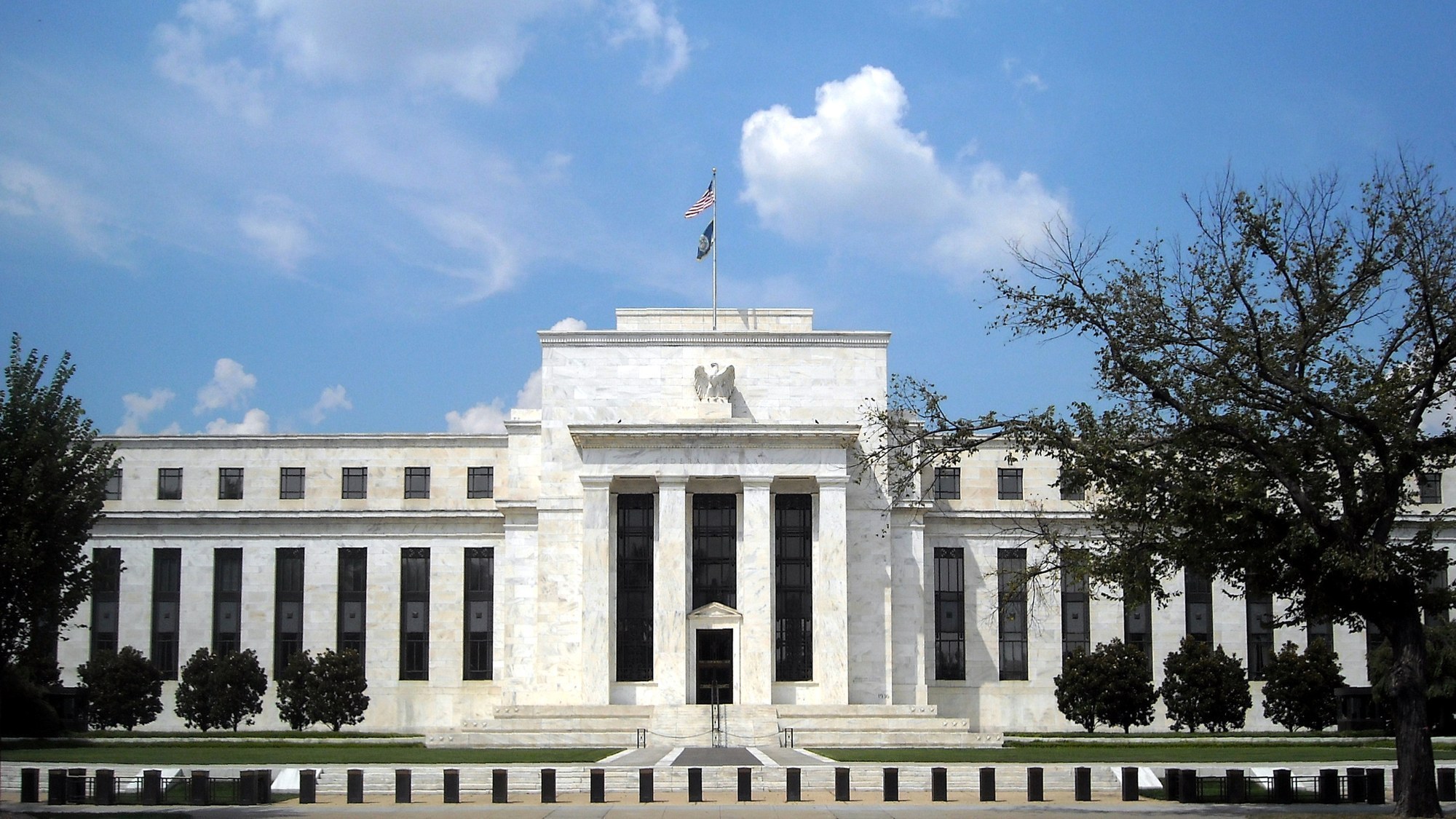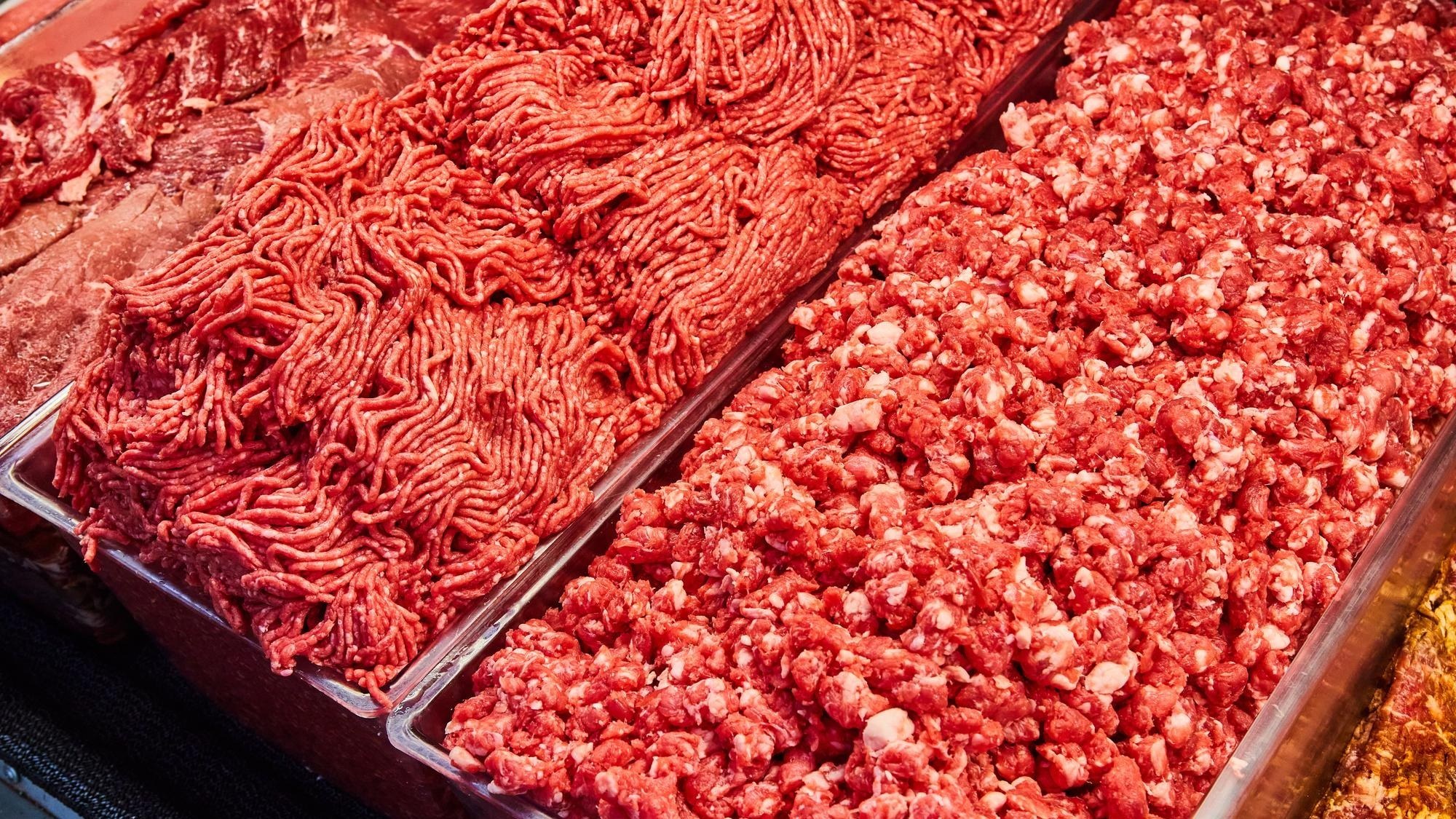
President Donald Trump has announced a 90-day pause on the higher tariffs charged on imported ground beef, an unusual move aimed directly at the price of one of the most common items in an older shopper’s cart. The administration says the temporary opening will let in a large volume of foreign beef to ease costs that have climbed close to $7 a pound. For retirees on fixed incomes, where every trip to the grocery store is measured against a set monthly budget, the pledge lands as a rare piece of good news on food prices.
What the 90-Day Beef Waiver Actually Does
Under the plan unveiled on August 21, the government will waive elevated tariffs on up to 300,000 metric tons of ground beef for 90 days, and the administration says the imported beef will be sold at roughly 25 percent below current market prices, according to the announcement of the tariff pause. A formal executive order is expected to be signed within about two weeks, so the mechanics could shift slightly before the waiver takes full effect.
The measure is narrow by design. It targets ground beef rather than steaks or roasts, and it is temporary, not a permanent change to trade policy. The intent is to add supply quickly to a market squeezed by shrinking domestic herds, in hopes that more product on shelves nudges the retail price down over the coming months.
Ground beef was a deliberate target. It is the beef product families buy most often and the one whose price is easiest to notice week to week, which makes it a visible barometer of grocery costs. It is also heavily used in the kind of budget cooking older households lean on, so relief there reaches more kitchen tables than a discount on premium cuts would.
Free retirement updates: Plain-English help holding onto more of a fixed income as prices move. Get the free Retirement Shield newsletter.
Why Beef Got This Expensive
Ground beef averaged about $6.89 a pound in July, a figure roughly 57 percent higher than five years earlier, and beef and veal prices rose 9.4 percent over the prior twelve months, part of the broader food inflation tracked in the government’s Consumer Price Index data. Those increases have outrun the cost-of-living adjustments that lift Social Security checks, which means a retiree buying the same amount of beef each month has quietly lost ground.
The root cause is supply. The U.S. cattle herd fell to a record low of about 86.2 million head as of January 2026, with the beef-cow count down more than 8 percent since 2020, as coverage of the tariff waiver noted. Drought, wildfires and restrictions on cattle coming in from Mexico all thinned the domestic supply, and fewer cattle at market translates into higher prices at the meat counter.
Where the Extra Beef Comes From
The waiver targets a specific corner of the meat trade. The United States imports several billion pounds of beef a year, most of it lean cuts and trimmings from suppliers such as Australia and Brazil, which processors blend with fattier domestic beef to produce the ground beef most families buy. Grain-fed American cattle yield relatively little of that lean trim, so imported product is less a competitor than a routine ingredient in the package on the shelf.
The reason those imports matter to price is the tariff structure. Each supplying country can ship a set amount into the U.S. at a token duty, but beef above that quota normally carries a tariff of roughly 26 percent, a charge steep enough to discourage extra low-cost product from coming in. Suspending that over-quota tariff on up to 300,000 metric tons is what the 90-day window does: it lets a burst of lean imported beef enter without the surcharge that would otherwise price it out. Because that lean beef feeds directly into ground-beef production, the move aims squarely at the cut whose price older shoppers notice first, though whether the saved tariff reaches the register depends on how processors and grocers respond.
What It Could Mean at the Register
Whether the waiver reaches household budgets is the open question. Imported beef sold below market prices can pull down the average, but wholesalers and grocers decide how much of any savings gets passed to shoppers rather than absorbed as margin. The 90-day clock also limits the impact, since the extra supply stops once the window closes unless the policy is extended.
Ranchers, meanwhile, have pushed back, warning that cheaper imports undercut domestic producers already contending with high feed costs and thin herds. That tension matters for the longer view: a short burst of imported beef may soften prices this fall, but it does nothing to rebuild the cattle supply that drove the increases in the first place. Rebuilding a herd takes years, since a rancher must hold back breeding cattle rather than sell them, so the underlying shortage is likely to keep pressure on prices long after the 90-day window closes.
How Older Households Can Read the Move
For now, the practical takeaway is modest. Any price relief is likely to be gradual and uneven, showing up first on ground beef rather than across the meat case, and possibly not until the imported supply works through distribution. A retiree watching the budget may see more benefit from tracking weekly store specials and shifting between cuts than from waiting on a national price drop that may or may not arrive.
The waiver is best understood as a temporary pressure valve on a stubborn cost, not a fix for it. Food has been one of the steadiest drains on fixed incomes in recent years, and a 90-day tariff pause aimed at a single product is a reminder of how much retirees have absorbed at the grocery store, and how fragile any relief on that front remains.
This article was researched and drafted with the assistance of AI and reviewed by The Financial Wire editorial team.
More Financial Reading
- How many CDs can you park at 1 bank? FDIC rules you must know
- What really happens to your joint savings account when you die?