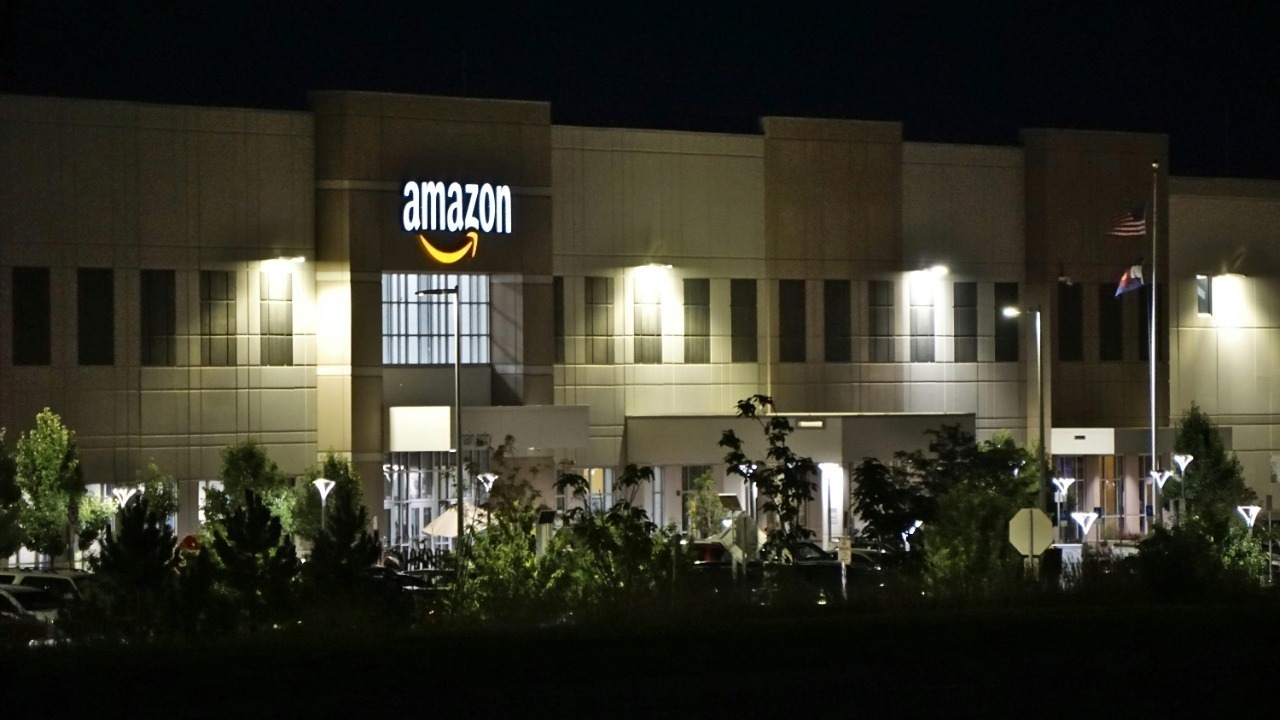
Amazon says it has received about $600 million in refunded import tariffs and will hand part of that money back to shoppers automatically, with no claim form to file. The refunds trace to tariffs that the U.S. Supreme Court struck down, money the government is now returning to the companies that paid it. What makes Amazon’s stance unusual is the promise to pass some of it along at all, because most large retailers that applied for the same refunds have made no such pledge.
How Amazon’s Automatic Refunds Are Supposed to Work
Amazon disclosed the $600 million figure on July 30 and said it had identified a “limited set of circumstances” in which it can trace a specific import charge to what an individual customer actually paid, according to the company’s statement on the refunds. In those cases, Amazon said it will contact affected customers and issue the money back on its own, without requiring anyone to request it.
The company has not published a timeline, a list of qualifying products, or an estimate of how much a typical customer might see. For everyone outside that traceable group, Amazon indicated the refunded tariff money would go toward keeping prices lower across its site rather than into individual accounts, as reporting on the refund plan noted. That distinction matters: a direct refund is real cash returned, while lower future prices are a diffuse benefit that is hard to measure.
Free retirement updates: Miss a claim or enrollment deadline and the money can be gone for good. Stay ahead of them with the free Retirement Shield newsletter.
Why Most Retailers Are Keeping the Money
Amazon is not the only company owed a refund. Walmart, Target and Costco also applied to recover tariff charges after the same court ruling, but none has committed to returning the money to shoppers. That is the quiet story behind the headline: when a tariff is struck down, the refund flows to the importer of record, not automatically to the customer who paid a higher price at checkout, and the importer decides what happens next.
For older shoppers, the practical effect is that the refunds mostly stay inside corporate balance sheets. A retiree who paid tariff-inflated prices over the past year on electronics, appliances or household goods generally has no direct way to claw that money back from a retailer that chooses to keep it. Amazon’s traceable-purchase approach is the exception, not the rule.
Part of the difference comes down to data. Amazon can match a specific import charge to a specific order because it controls both the supply chain and the checkout record, letting it trace which customers paid an inflated price on a given item. A traditional retailer that bought goods through wholesalers and rang up cash-and-card sales in stores often cannot reconstruct that trail, which gives it both a practical and a financial reason to hold the refund rather than distribute it.
What an Affected Shopper Should Watch For
Because Amazon says it will reach out to eligible customers directly, the most important step is also the simplest: treat unexpected refund messages with caution. Scammers routinely exploit real corporate refund news by sending fake “refund is ready” emails and texts that ask for account logins or card numbers. A genuine Amazon refund would appear on the original payment method or as an account credit, not through a link demanding personal information.
Anyone unsure whether a refund notice is real can skip the message entirely and check order and payment history directly through the Amazon account instead of clicking anything. The refunds are automatic by Amazon’s own description, so there is no legitimate reason a customer would need to “verify” a payout by handing over banking details.
The Bigger Picture on Tariff Money
The $600 million Amazon cited is a fraction of the far larger sum the government is returning to businesses after the tariffs were invalidated. Analysts have generally expected only a small share of all that refunded money to reach consumers, whether as direct refunds or lower prices, precisely because companies are under no obligation to pass it along.
That gap between what businesses recover and what shoppers see is the real lesson for households on fixed incomes. Tariffs raised the price of imported goods when they were in force, and the reversal is unlikely to hand most of that money back to the people who paid it at the register. Companies argue that lower prices going forward are a legitimate way to return the value, but that benefit is spread thin across all future shoppers rather than repaid to those who overpaid, and it is nearly impossible to verify.
Amazon’s automatic refunds stand out mainly because, for a limited set of purchases, they close that gap at all, something the largest retailers have so far declined to do. For a retiree who shopped online heavily during the tariff period, the realistic expectation is a modest, targeted credit at best, arriving without any action required and worth watching the account, not the inbox, to confirm.
This article was researched and drafted with the assistance of AI and reviewed by The Financial Wire editorial team.
More Financial Reading
- How many CDs can you park at 1 bank? FDIC rules you must know
- The ideal retirement withdrawal rate so your savings actually last