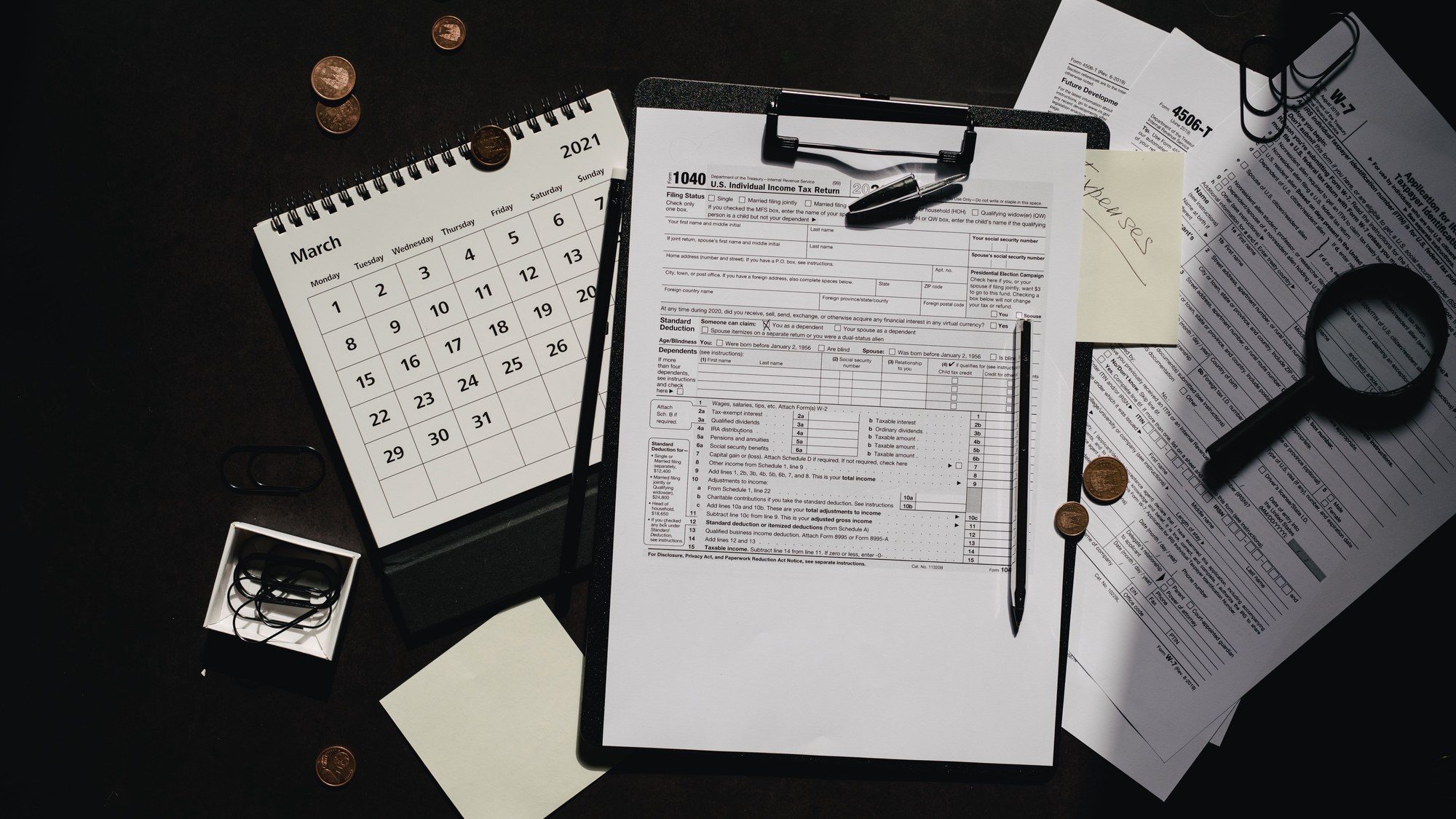
A late tax return or a late payment usually comes with a penalty, and those charges add up quickly on top of the tax and interest owed. What many taxpayers never learn is that the Internal Revenue Service has a standing relief program that erases a first-time penalty for filers with an otherwise clean record. In most cases it is granted simply by requesting it.
First Time Abate, the Relief Few People Request
The program is called First Time Abate. The Internal Revenue Service uses it to waive failure-to-file, failure-to-pay, and failure-to-deposit penalties for a taxpayer who slipped up once but has a history of meeting obligations. It is an administrative waiver, meaning it does not require proving a hardship or a compelling excuse. The main hurdle is that many taxpayers simply pay the penalty without knowing the option exists.
The dollars at stake are not trivial. The failure-to-file penalty runs at 5 percent of the unpaid tax for each month a return is late, up to 25 percent, while the failure-to-pay penalty adds 0.5 percent a month, also to a 25 percent ceiling. When both apply in the same month the file penalty is reduced so the combined charge is 5 percent a month, so a retiree who filed four months late with $6,000 of tax still owed could see roughly $1,200 in stacked penalties before interest, exactly the kind of assessment First Time Abate is designed to erase for an otherwise compliant filer.
The Three-Year Clean-Record Test
Eligibility turns on recent compliance. A taxpayer generally qualifies if the same type of return was filed on time for the prior three years, or twelve consecutive quarters for quarterly filers, with no penalties assessed in that window other than ones later removed. The penalty-relief overview also expects any required returns to be filed and any tax due to be paid or on a payment plan before the waiver applies. A prior estimated-tax penalty does not, by itself, break the clean-record streak, so a filer who has otherwise met deadlines still qualifies. For a retiree who has filed dutifully for decades, a single late year is exactly the situation the relief was built for.
Why the Timing of the Request Matters
First Time Abate erases the failure-to-file, failure-to-pay, and failure-to-deposit penalties, but the failure-to-pay penalty keeps growing each month the tax stays unpaid. Because of that, the waiver is most valuable once the underlying balance is settled or on a formal payment plan, since the abated amount is then fixed rather than still climbing. Interest is treated differently from the penalties. Interest charged on the tax is generally not waived under this relief, and any interest tied specifically to an abated penalty is removed only after the penalty itself is taken off. A taxpayer weighing whether to pay first or ask first usually comes out ahead by paying the tax, then requesting abatement of the penalties that had accrued.
Free retirement updates: Miss an enrollment or claim deadline and it may be gone. Our free Retirement Shield newsletter keeps readers ahead of the ones that matter. Get the free newsletter.
How to Ask for It
Requesting the waiver is straightforward. A taxpayer can call the number printed on the penalty notice and ask a representative to apply First Time Abate, or submit Form 843, the claim for refund and request for abatement, in writing. A representative can often grant the relief during the call itself once the compliance record checks out. There is no charge to ask, and being turned down for the administrative waiver does not prevent a separate request based on reasonable cause. A taxpayer who has already paid a penalty is not shut out either. The same waiver can produce a refund of a penalty that was assessed and paid within the refund window, so a retiree who quietly paid a late-filing charge months ago may still recover it by asking for First Time Abate after the fact.
An Automatic Version Is Arriving
The IRS is making the relief easier to receive. Under a new approach the agency describes in its penalty-relief modernization announcement, an Automatic Exemption from Penalty will apply the same clean-record relief without a request for eligible returns, expanding on the First Time Abate framework as it phases in. The agency has described the change taking effect for eligible returns due on or after the start of 2027, so the request-based route remains the way to get the relief on earlier penalties. Until that automatic process fully replaces the older path, the practical move for anyone hit with a first late penalty is unchanged: check the three-year record, then ask. The relief is one of the few penalty breaks the agency grants almost as a matter of routine, yet it goes unclaimed most often simply because taxpayers do not know to raise it.
This article was produced with AI assistance and reviewed by The Financial Wire editorial team.
More Financial Reading
- What really happens to your joint savings account when you die?
- Bank statements: how long to keep them and when to toss them