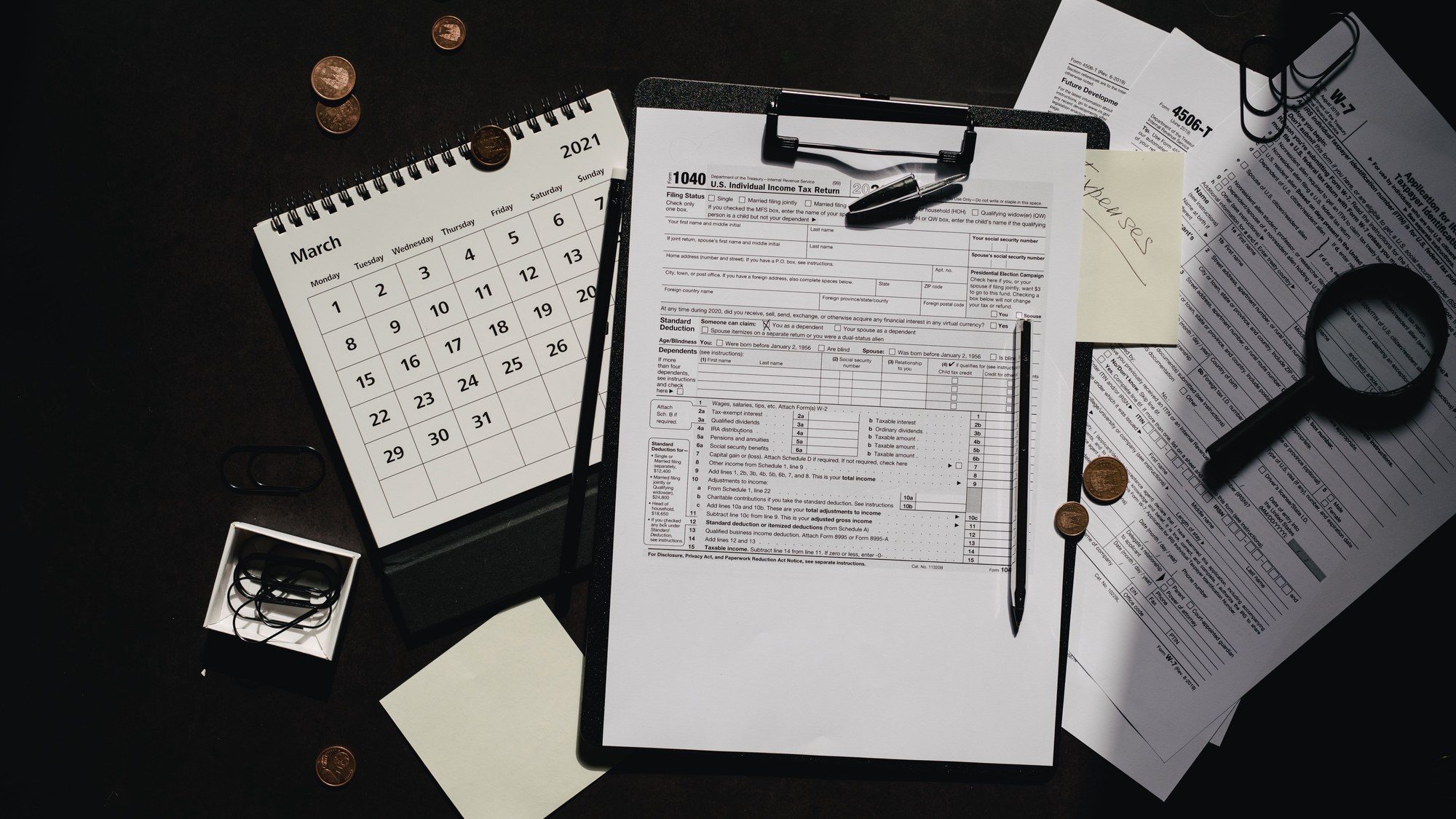
Nejlai Mitchell owned a tax preparation business with offices in Lumberton and Hope Mills, North Carolina. Federal prosecutors say she and seven employees used it, from about April 2022 through May 2023, to file false returns that claimed a COVID-19 relief credit. Mitchell has now been sentenced to 60 months, five years, in federal prison.
The IRS paid about $13,890,697 on the false refund claims. The Justice Department announced the sentence on October 14 as part of a national tax enforcement surge.
Eight preparers, one credit
The credit at the center of the case is the paid sick and family leave credit, a pandemic-era tax break for employers and self-employed people. A Justice Department announcement from June 24 says Mitchell pleaded guilty the day before to conspiracy and to assisting in preparing false returns. She was one of eight preparers who pleaded guilty in the case. The other seven are Whitnee Leach, Tiffany Moody, Shaneen Ray, Eyoubo McBurney, Katrena Stanback, Jeannie Negron and Sylvia Swindell.
The October announcement says the conspiracy involved about $23.9 million in claims. The IRS paid about $13.9 million of that. The remaining roughly $10 million was claimed but not paid.
The June announcement listed the maximum penalties. Mitchell and Leach each faced up to five years for the conspiracy count and up to three years for preparing and filing false returns. The other six faced up to three years each. Mitchell’s 60 months matches the top of the range for the conspiracy count alone.
Anyone who pays someone to file a return has a stake in this case. A preparer signs the return, but the taxpayer does not hand off responsibility. The IRS says in its guidance on choosing a preparer that “you’re ultimately accountable for the accuracy of every item reported on your return.”
The sentence count in this case stands at six preparers, from 6 months to 60, and it changes each time another sentencing is announced.
Get each new number in one short weekday email →
What the other preparers got
The Justice Department’s October 14 announcement lists the sentences handed down so far in the case. Tiffany Moody received 26 months on September 3. Shaneen Ray and Eyoubo McBurney each received 18 months on July 8, and Sylvia Swindell received 16 months the same day. Katrena Stanback received six months on July 9. Mitchell’s 60 months is the longest.
The October announcement does not list sentences for Whitnee Leach or Jeannie Negron. In June, Leach’s sentencing was scheduled for August. The department did not say in either announcement where those two cases stand.
Assistant Attorney General Colin M. McDonald of the National Fraud Enforcement Division said in June that the preparers “engineered a calculated scheme to enrich themselves by submitting false returns.” He added, “we will not hesitate to hold accountable those who exploit a crisis for personal gain.” U.S. Attorney W. Ellis Boyle of the Eastern District of North Carolina co-announced the case. IRS Criminal Investigation investigated, and Trial Attorney Caroline Pearson and Assistant U.S. Attorney Ethan Ontjes prosecuted it.
Part of a six-week national surge
The announcement covers the Justice Department’s first National Tax Enforcement Surge, which ran from early September to October 14. The Fraud Division’s Tax Section, 35 U.S. Attorneys’ Offices and IRS Criminal Investigation took part. It produced actions against 76 defendants with an alleged intended loss to the government above $490 million. Twenty-three new actions charged 31 defendants over more than $350 million, and about 39 trials, guilty pleas and sentencings involved 45 more, with nearly $140 million at stake. Attorney General Todd Blanche said the surge uncovered “only the tip of the iceberg.” IRS Criminal Investigation Chief Jarod Koopman said that when taxpayers evade their obligations, “the burden does not disappear, it is shifted to law-abiding Americans.” The Fraud Division, led by Colin M. McDonald, was created April 7.
A case built over a year
The guilty pleas came in stages. Jeannie Negron and Sylvia Swindell pleaded on August 20, 2025, and Eyoubo McBurney and Katrena Stanback followed on September 24. Tiffany Moody and Shaneen Ray pleaded on December 9. Whitnee Leach pleaded on May 19, 2026, and Mitchell, the business owner, was the last to plead, the day before the June announcement.
Mitchell’s sentence is more than double Moody’s 26 months, the next longest, and ten times Stanback’s six months.
Checking a preparer before signing
The IRS has a short list of warning signs. Topic 254 on choosing a preparer says to be wary of preparers who claim they can get larger refunds than others. It says to avoid those who charge a percentage of the refund, and those who offer to put the refund into their own accounts. It also says never to sign a blank tax form.
The same page says a paid preparer must have a Preparer Tax Identification Number, or PTIN, enter it on the return and sign it, and give the taxpayer a copy. Good preparers, it says, ask to see records and receipts. Only attorneys, certified public accountants and enrolled agents can represent taxpayers before the IRS in all matters.
The IRS page on choosing a tax professional points to its Directory of Federal Tax Return Preparers with Credentials and Select Qualifications and says taxpayers harmed by a preparer’s misconduct can file a complaint through its form. Anyone who finds a credit on a return they do not recognize can ask the preparer to explain it in writing before the return is filed.
More Financial Reading
- 24 Ways to Stretch a $2,087 Social Security Check
- 17 Places to Find Your Share of the $4.25 Billion States Give Back
- 22 Ways Retirees Can Raise $1,000 Fast Without a Job
This article was produced with AI assistance and reviewed by The Financial Wire’s editorial team.