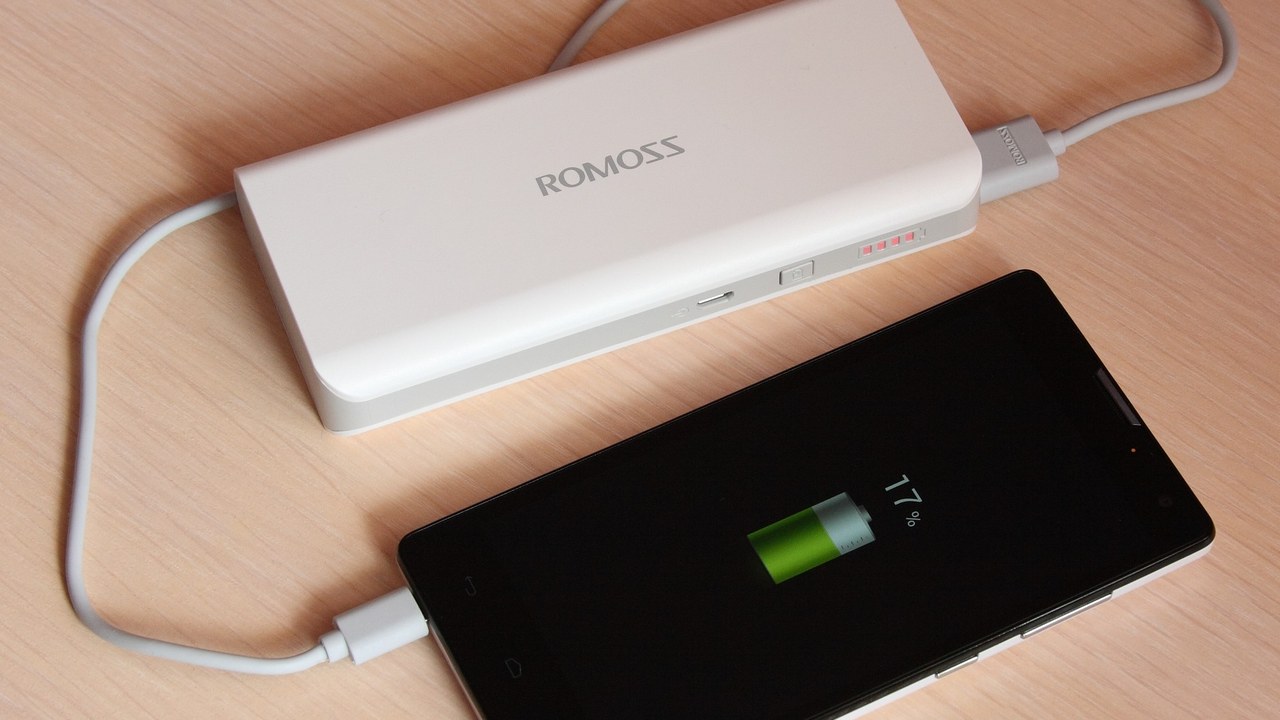
A wireless portable power bank sold under the Casely brand remains under an active federal recall after being linked to a fire that killed a 75-year-old New Jersey woman, according to the U.S. Consumer Product Safety Commission. About 429,200 of the pocket-sized chargers are covered, and the remedy the agency lists is a free replacement, not a refund or repair. The recall has been in effect since 2025 and was reannounced with an expanded set of incident reports, so the product is one worth checking for by model number rather than by memory of when it might have been purchased.
The Power Bank Behind Recall Number 26-418
The recalled item is the Casely Power Pods 5000mAh portable MagSafe wireless phone charger, model number E33A, with “Casely” engraved on the front plate and the model number printed on the back. The CPSC’s hazard notice says the lithium-ion battery inside can overheat and ignite, posing a risk of serious injury or death from fire and burn hazards. According to the commission’s original 2025 filing, the pocket-sized pods measure about 3 by 2 by 0.25 inches, weigh roughly 3.2 ounces, and were sold in a range of colors and printed designs, making them easy to mistake for an ordinary, undamaged charger even after the recall was announced. The pods were sold online at getcasely.com, Amazon.com, and other e-commerce sites from March 2022 through September 2024, priced between $30 and $70, which means the charger could have reached a buyer through a marketplace listing rather than directly from the company.
Free retirement updates: One number can cost or save hundreds a month in retirement. The free Retirement Shield newsletter surfaces the ones worth knowing. Sign up free.
A Death Linked to a Battery That Ignited on a Lap
The CPSC’s recall notice describes an August 2024 incident in which a 75-year-old woman from New Jersey was charging her cell phone with the power bank resting on her lap when the device caught fire and exploded. She suffered second- and third-degree burns and later died from complications tied to those injuries. The agency also describes a February 2026 incident in which a 47-year-old woman was charging her phone with the power bank on an airplane when it caught fire and exploded, causing first-degree burns.
Those two incidents sit on top of a larger pattern. When Casely and the CPSC first announced this recall in April 2025, the company had already received 51 consumer reports of the battery overheating, expanding, or catching fire, resulting in six minor burn injuries. The reannounced recall adds 28 more reports of overheating, expanding, or igniting batteries on top of that original count, including the two incidents described above.
A Free Replacement, Not a Refund, With Two Photos Required
The remedy the CPSC lists for this recall is replacement, not a monetary refund. To receive a free replacement, the agency’s notice directs owners to stop using the power bank immediately, fill out an online form on Casely’s recall page, and submit two photographs: one of the front of the device with the word “Recalled” and the date written on it in permanent marker, and a second showing the model number printed on the back. The original 2025 notice specified that proof of purchase was not required to get the free replacement, since Casely was working from its own sales records to contact known purchasers directly.
Disposal carries its own set of rules because of the battery inside. The CPSC’s notice warns against throwing the recalled power bank in household trash, in curbside or street-level recycling bins, or in general used-battery recycling boxes at retail stores, since a damaged lithium-ion battery in those streams still carries a fire risk. Instead, the agency directs owners to a municipal household hazardous waste collection center, calling ahead to confirm that facility accepts recalled lithium-ion devices before dropping one off.
Confirming the Recall Is Still Open Before Relying on Any Secondhand Account
Because this recall has now been announced twice, roughly a year apart, with expanded incident details each time, the most reliable way to confirm current status is to check the CPSC’s own recall listing directly rather than relying on any single news summary of it, including this one. The commission’s recall-date field reflects when a notice was issued or reannounced, not necessarily the date of any individual incident described inside it, which is why the same recall can carry both a 2025 date and a description of events reported afterward.
Anyone who experiences a similar overheating, swelling, or fire incident with this or any other consumer product, whether or not it is already subject to a recall, can file a report directly with the CPSC through SaferProducts.gov, the agency’s public incident-reporting database. That reporting channel is part of how additional incidents, like the ones that expanded this recall’s scope after its first announcement, come to the commission’s attention in the first place. Federal law also bars any retailer, including resale and marketplace sellers, from continuing to offer a recalled product for sale once the CPSC has announced it, which is a separate protection from the replacement remedy owners of an already-purchased unit are entitled to seek directly from Casely.
This article was produced with AI assistance and reviewed by The Financial Wire editorial team.
More Financial Reading
- Bank statements: how long to keep them and when to toss them
- How many CDs can you park at 1 bank? FDIC rules you must know


