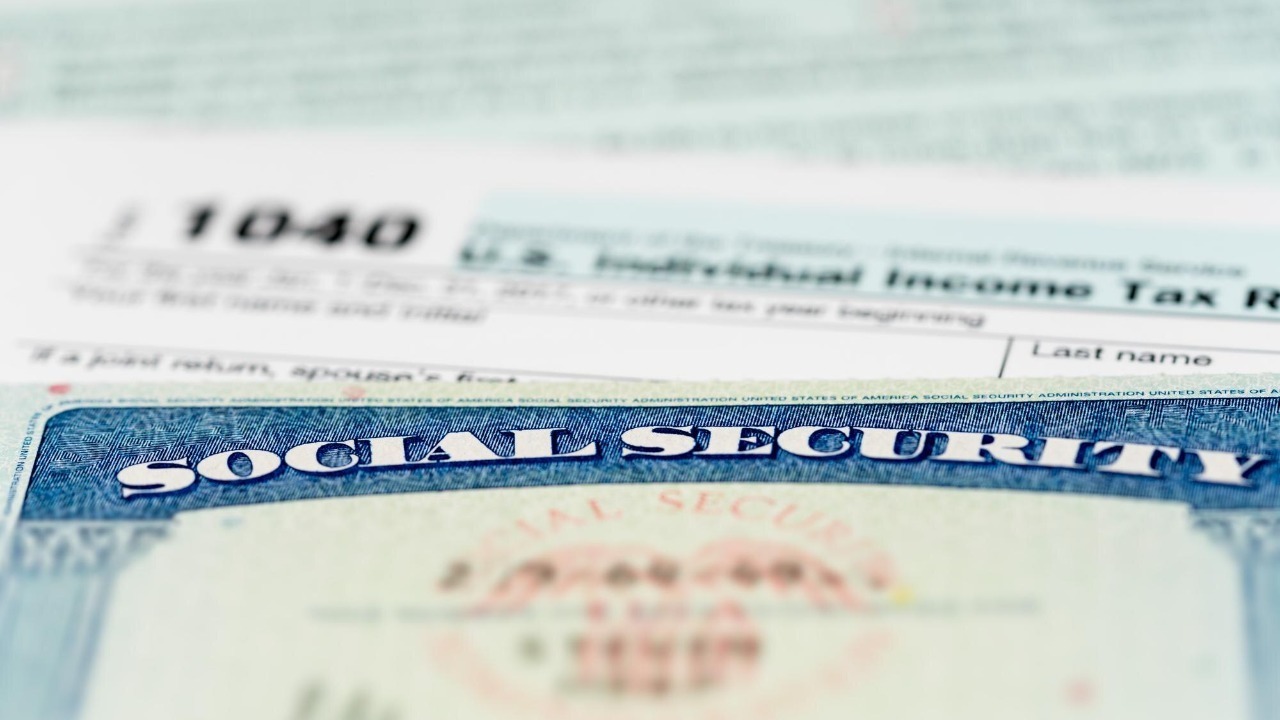
Many retirees are surprised to learn that Social Security checks are not automatically tax-free. Once other income combines with a benefit past certain thresholds, up to 85 percent of the Social Security payment can become subject to federal income tax, a rule that has quietly pulled in a growing share of retirees for decades because the income levels that trigger it have barely changed. The distinction between the 50 percent tier and the 85 percent tier can mean a meaningful difference in a retiree’s actual tax bill, particularly as pensions, part-time work, or retirement account withdrawals push a household’s income upward.
How the Taxable Portion Is Calculated
The taxability of Social Security benefits is determined by a measure called combined income, sometimes referred to as provisional income. It is calculated by adding adjusted gross income, any nontaxable interest such as municipal bond interest, and half of the Social Security benefits received during the year. That combined figure, not the benefit amount alone, is compared against a set of thresholds to determine how much of the benefit, if any, becomes taxable.
The formula and the thresholds are described on the Social Security Administration’s planner page on benefits and taxes, which walks through how the calculation applies differently depending on filing status.
Free retirement updates: One number can cost or save hundreds a month in retirement. The free Retirement Shield newsletter surfaces the ones worth knowing. Sign up free.
The Income Levels That Trigger Taxation
For a single filer, combined income between $25,000 and $34,000 can make up to 50 percent of Social Security benefits taxable; above $34,000, up to 85 percent can be taxed. For a married couple filing jointly, the equivalent range is $32,000 to $44,000 for the 50 percent tier, and above $44,000 for the 85 percent tier. A married person who files a separate return from a spouse they lived with during the year generally has no threshold at all, meaning benefits can become taxable starting from the first dollar of combined income.
Importantly, the 85 percent figure is a ceiling, not a fixed rate applied to everyone above the threshold. It represents the maximum share of the benefit that can ever be counted as taxable income; the actual taxable portion is calculated using a formula that phases in gradually as combined income rises through each bracket, and it is possible to owe tax on a smaller share than 85 percent even with income above the upper threshold, depending on the exact numbers involved.
Why the Thresholds Rarely Move
Unlike many parts of the tax code, the combined-income thresholds that trigger taxation of Social Security benefits are not adjusted for inflation. The 50 percent threshold has been in place since the mid-1980s and the 85 percent threshold since the early 1990s, and neither has been updated since. As wages, pensions, and Social Security’s own annual cost-of-living adjustments push retiree incomes higher over time, more retirees cross thresholds that were set decades ago and never rise to match, a pattern sometimes described as a stealth tax increase because it happens without any new legislation.
The Congressional Research Service has documented this dynamic in a summary of Social Security benefit taxation, noting that a growing share of beneficiaries becomes subject to taxation on their benefits each year even though the underlying tax rules have not changed, simply because the fixed thresholds have not kept pace with rising incomes.
What Counts Toward the Threshold
Retirees sometimes assume that only wages or a pension count toward combined income, but the calculation is broader. Interest, dividends, capital gains, withdrawals from a traditional individual retirement account or 401(k), and even income that is otherwise tax-exempt, such as interest from municipal bonds, all factor into the total. A retiree who takes a large one-time withdrawal from a retirement account to cover a major expense can inadvertently push combined income over a threshold for that year, making a larger share of that year’s Social Security benefit taxable even if income in surrounding years stayed well below the line.
Because 85 percent is the absolute ceiling, at least 15 percent of every Social Security benefit remains free of federal income tax no matter how high a household’s other income climbs. That permanent exclusion is one reason the timing of retirement account withdrawals matters: spreading large distributions across several tax years, or drawing from a Roth account whose withdrawals do not count toward combined income, can keep a retiree in the 50 percent tier or below the thresholds entirely in a given year, holding down the taxable share of that year’s benefit.
State taxation follows a separate and inconsistent set of rules; a majority of states do not tax Social Security benefits at all, but a handful still apply their own tax to some or all of a benefit above state-specific income levels, so a retiree’s total tax exposure on Social Security depends on both federal rules and the specific state of residence.
This article was produced with AI assistance and reviewed by The Financial Wire editorial team.
More Financial Reading
- Bank statements: how long to keep them and when to toss them
- Adding someone to your bank account: tax traps and smart moves