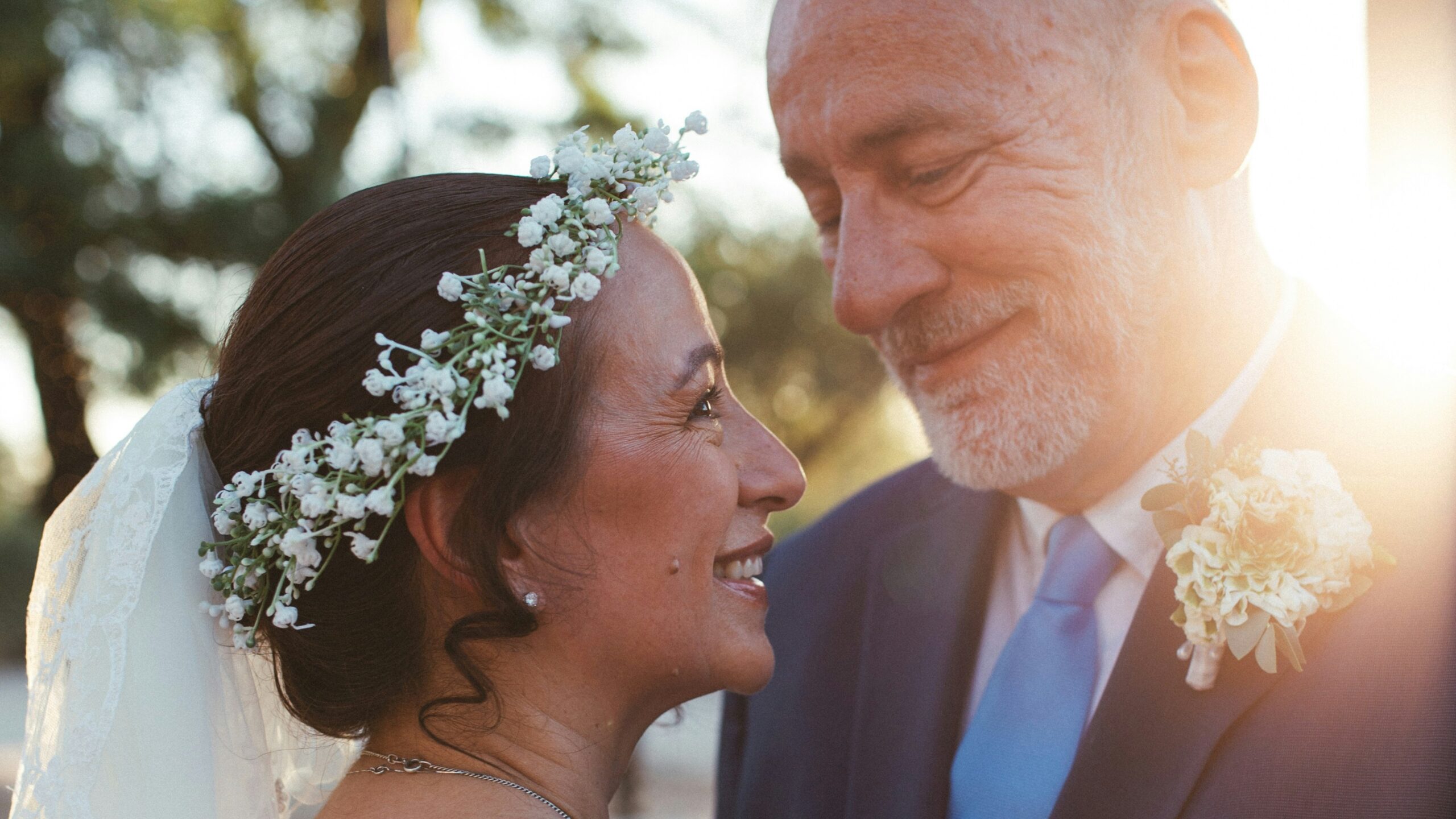
For a widow or widower receiving Social Security survivor benefits, a second marriage can be a happy milestone — or a costly one, depending entirely on timing. Remarrying before turning 60 generally cuts off eligibility for benefits based on a late spouse’s earnings record, a rule that catches some survivors off guard because it applies no matter how strong the new relationship or how modest the household’s finances. The rule sits quietly in the fine print of survivor benefits, and few people learn about it until a wedding is already being planned.
Why Age 60 Is the Dividing Line
Under Social Security’s rules, a widow or widower who remarries before age 60 typically loses eligibility for survivor benefits tied to the deceased spouse’s work record. The threshold drops to age 50 for a widow or widower who is disabled and otherwise qualifies for disability-based survivor benefits. The rule applies regardless of how long the first marriage lasted, how large the survivor benefit would have been, or how the new spouse’s own income compares to Social Security. It is a status-based rule tied strictly to the survivor’s age and marital status at the time of the new marriage, not a means test based on need or household income.
The Social Security Administration lays out the rule on its page for surviving spouses, describing remarriage before 60 as generally ending eligibility for the benefit unless the later marriage itself ends. That page also notes that the rule is separate from, and should not be confused with, the rules governing whether remarriage affects a divorced spouse’s ability to claim on a former husband’s or wife’s record, which follow their own age and duration requirements.
Free retirement updates: Miss an enrollment or claim deadline and it may be gone. Our free Retirement Shield newsletter keeps readers ahead of the ones that matter. Get the free newsletter.
What Happens if the Second Marriage Ends
The loss of eligibility is not always permanent. If the marriage that took place before age 60 later ends, through divorce, annulment, or the death of the new spouse, the survivor can regain eligibility for benefits on the first spouse’s record, provided all the underlying requirements are otherwise still met. This reinstatement provision means a widow who remarries at 55 and divorces at 58 is not permanently barred from the benefit; the eligibility comes back once the second marriage has legally ended, and the survivor can reapply through the local Social Security office by documenting the end of the later marriage.
The Social Security Administration confirmed this treatment in an official blog post addressing how remarriage affects Social Security benefits, which walks through the age-60 threshold alongside the related rules for divorced spouses and remarried retirees. The same post also cautions that reinstated eligibility is not automatic; a survivor generally has to notify the Social Security Administration and provide documentation, such as a divorce decree or death certificate, before payments based on the first spouse’s record resume.
Remarrying at 60 or Later Changes Nothing
Once a widow or widower turns 60, or 50 if disabled, a subsequent marriage no longer affects eligibility for survivor benefits based on the first spouse’s record. A survivor who waits until 61 to remarry, for example, keeps full access to the survivor benefit regardless of how long the new marriage lasts. In some cases the survivor may also become eligible for a spousal benefit on the new husband’s or wife’s record, and Social Security pays whichever single benefit is higher rather than combining the two.
The order of marriages does not matter for this purpose. A widow who was already collecting a reduced retirement benefit on her own earnings record before remarrying at 62 can still switch to, or add, a benefit tied to the new marriage if that produces a higher monthly payment, following the same rule that Social Security always pays the larger of the benefits a person qualifies for rather than stacking them together.
Benefits That Are Not Affected by a Parent’s Remarriage
The age-60 rule applies specifically to the surviving spouse’s own benefit. A deceased worker’s children who qualify for survivor benefits on the parent’s record generally keep those benefits regardless of whether the surviving parent remarries, since a child’s eligibility is based on the child’s own relationship to the deceased parent, not the remaining parent’s marital status. Divorced spouses who qualify for survivor benefits on a former spouse’s record are governed by a related but separate set of remarriage rules, since their benefit was never based on being a widow or widower of that particular marriage in the same way.
Because the rules differ so much depending on whose record a benefit is drawn from, a survivor weighing remarriage while also raising children who receive their own benefits, or while also entitled to a benefit as a divorced spouse from an earlier marriage, is generally better served contacting the Social Security Administration directly before the wedding date rather than assuming any one rule covers every benefit involved in the household.
This article was produced with AI assistance and reviewed by The Financial Wire editorial team.
More Financial Reading
- The ideal retirement withdrawal rate so your savings actually last
- How many CDs can you park at 1 bank? FDIC rules you must know