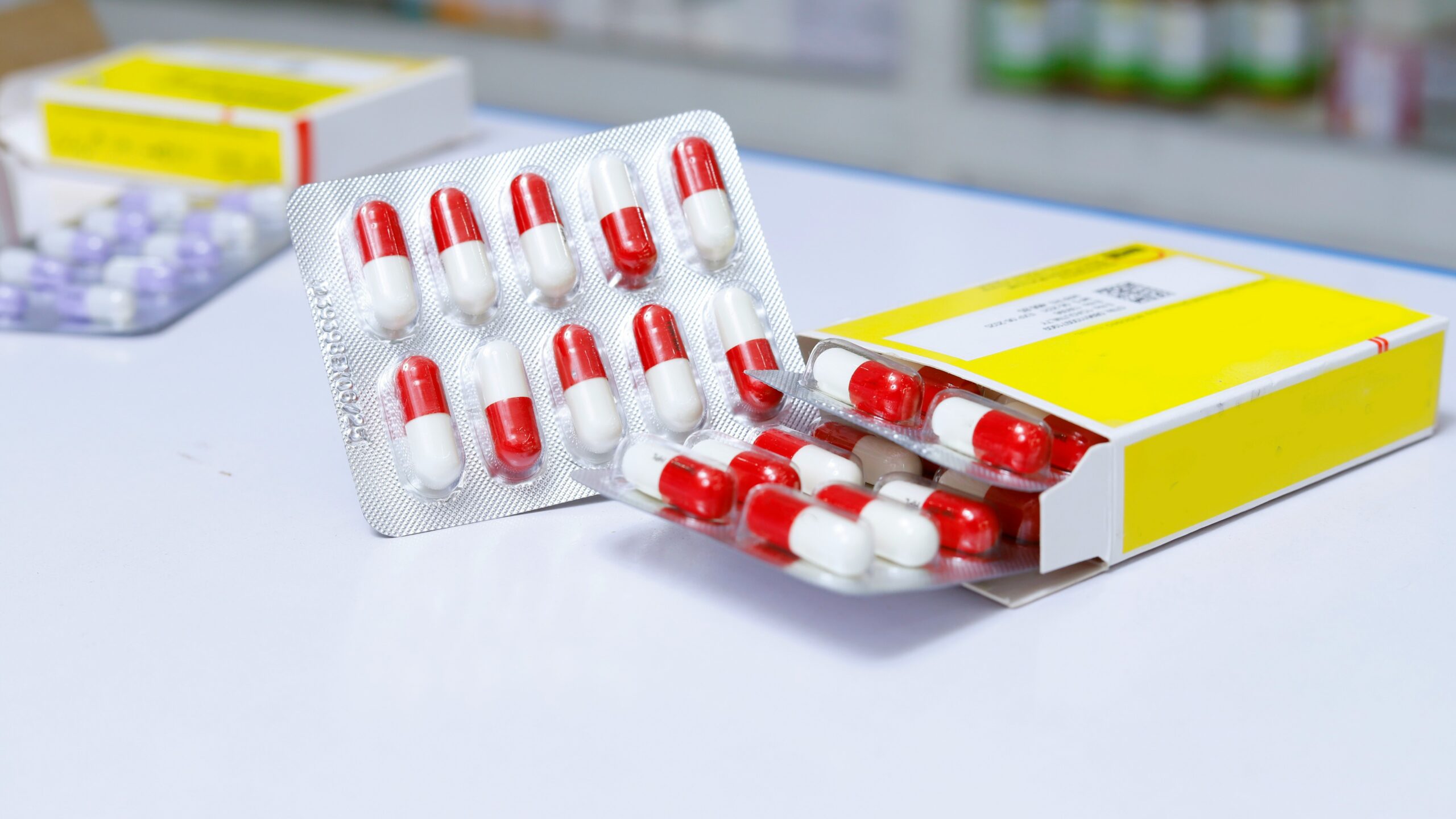
Medicare has finished negotiating lower prices on 15 widely used prescription drugs, including the diabetes and weight-loss drug Ozempic, and the new prices take effect January 1, 2027. The deal was reached under the federal Medicare Drug Price Negotiation Program, and it covers medications for diabetes, cancer, asthma, COPD and several other chronic conditions that together account for tens of billions of dollars in Medicare drug spending each year.
How Medicare Reached Agreement on These 15 Drugs
The Centers for Medicare & Medicaid Services announced on November 25, 2025 that it had finalized Maximum Fair Prices, the statutory term for the negotiated prices, with the manufacturers of all 15 selected drugs. The negotiations ran through 2025 under the Medicare Drug Price Negotiation Program, created by the Inflation Reduction Act of 2022, which lets CMS negotiate directly with manufacturers of certain high-cost drugs that face no generic or biosimilar competition. CMS says the negotiation period formally closed November 1, 2025, after rounds of offers and counteroffers with each participating company; for 8 of the 15 drugs, the two sides settled on a price during those negotiation meetings, while the remaining 7 were resolved when manufacturers accepted CMS’s final written offer.
Free retirement updates: One number can cost or save hundreds a month in retirement. The free Retirement Shield newsletter surfaces the ones worth knowing. Sign up free.
What the New Price on Ozempic Actually Looks Like
Ozempic, along with the related drugs Rybelsus and Wegovy from the same manufacturer, Novo Nordisk, drew the most attention because it was the single largest Part D expense in the group, accounting for $15.2 billion in gross Medicare drug costs in 2024 alone among 2.28 million enrollees who used it. According to CMS’s negotiated-price fact sheet, the agreed price for a 30-day supply starting in 2027 is $274, down from a 2024 list price of $959, a 71% discount. That negotiated price is a ceiling on what the drug can cost the Medicare program and its Part D plans; it is not automatically what an individual pays at the counter, since actual out-of-pocket costs still depend on a person’s specific plan, deductible status and where they fall in the year’s spending.
The Other 14 Drugs Getting Lower Prices in 2027
The list also includes Trelegy Ellipta and Breo Ellipta, two GlaxoSmithKline inhalers used for asthma and chronic obstructive pulmonary disease, negotiated down 73% and 83% respectively; the prostate cancer drug Xtandi, cut 48%; the blood cancer drugs Pomalyst, Ibrance and Calquence; the diabetes drugs Tradjenta and Janumet, cut 84% and 85%; the lung disease drug Ofev; the bowel medications Linzess and Xifaxan; the psychiatric drug Vraylar; the movement-disorder drug Austedo; and the immune-condition drug Otezla. Discounts across the full list of 15 range from 38% to 85% off each drug’s 2024 list price, according to the CMS fact sheet. Combined, the 15 drugs accounted for $42.5 billion in gross Part D spending and $1.7 billion in beneficiaries’ direct out-of-pocket costs during 2024, the baseline year CMS used to calculate the deal’s impact.
Why This Round Produced Bigger Discounts Than the First
CMS says the negotiated prices, if applied retroactively to 2024 spending, would have cut net Medicare costs on these 15 drugs by an estimated $12 billion, or about 44%. That is a larger percentage cut than the first negotiation cycle produced; the 10 drugs selected in that earlier round, with prices that took effect January 1, 2026, carried discounts of 38% to 79% and an estimated $6 billion, or about 22%, in net savings had they applied in 2023. Combined, the two negotiated cycles bring the total number of drugs with a Medicare-negotiated price to 25 once the 2027 prices take effect. CMS credited the size of this round’s discounts to a more aggressive negotiating posture under current agency leadership, alongside the program’s separate Most Favored Nation pricing effort.
What Changes for Enrollees Between Now and January 1
Nothing changes at the pharmacy counter yet. The negotiated prices apply starting January 1, 2027, and by law every Medicare prescription drug plan, including standalone Part D plans and the drug portion of Medicare Advantage plans, must include each of the 15 selected drugs on its formulary at the new price once it takes effect. CMS projects that Part D enrollees as a group will save an estimated $685 million in out-of-pocket costs in the first year the prices are in place. No application or paperwork is required on an enrollee’s part to receive the lower price; it applies automatically through the pharmacy once a plan processes the claim, though the amount an individual actually pays still depends on their plan’s cost-sharing structure and where they stand relative to the year’s deductible and coverage phases.
This article was produced with the assistance of AI and reviewed by The Financial Wire editorial team.
More Financial Reading
- Adding someone to your bank account: tax traps and smart moves
- What really happens to your joint savings account when you die?