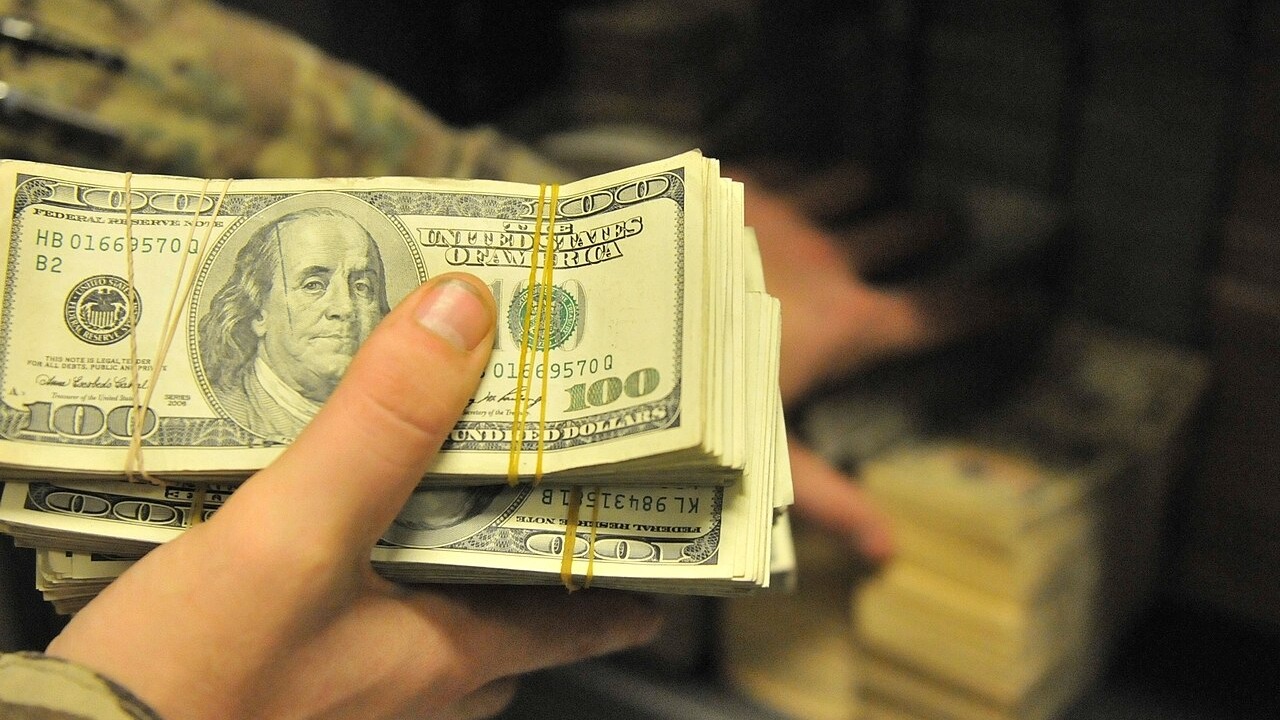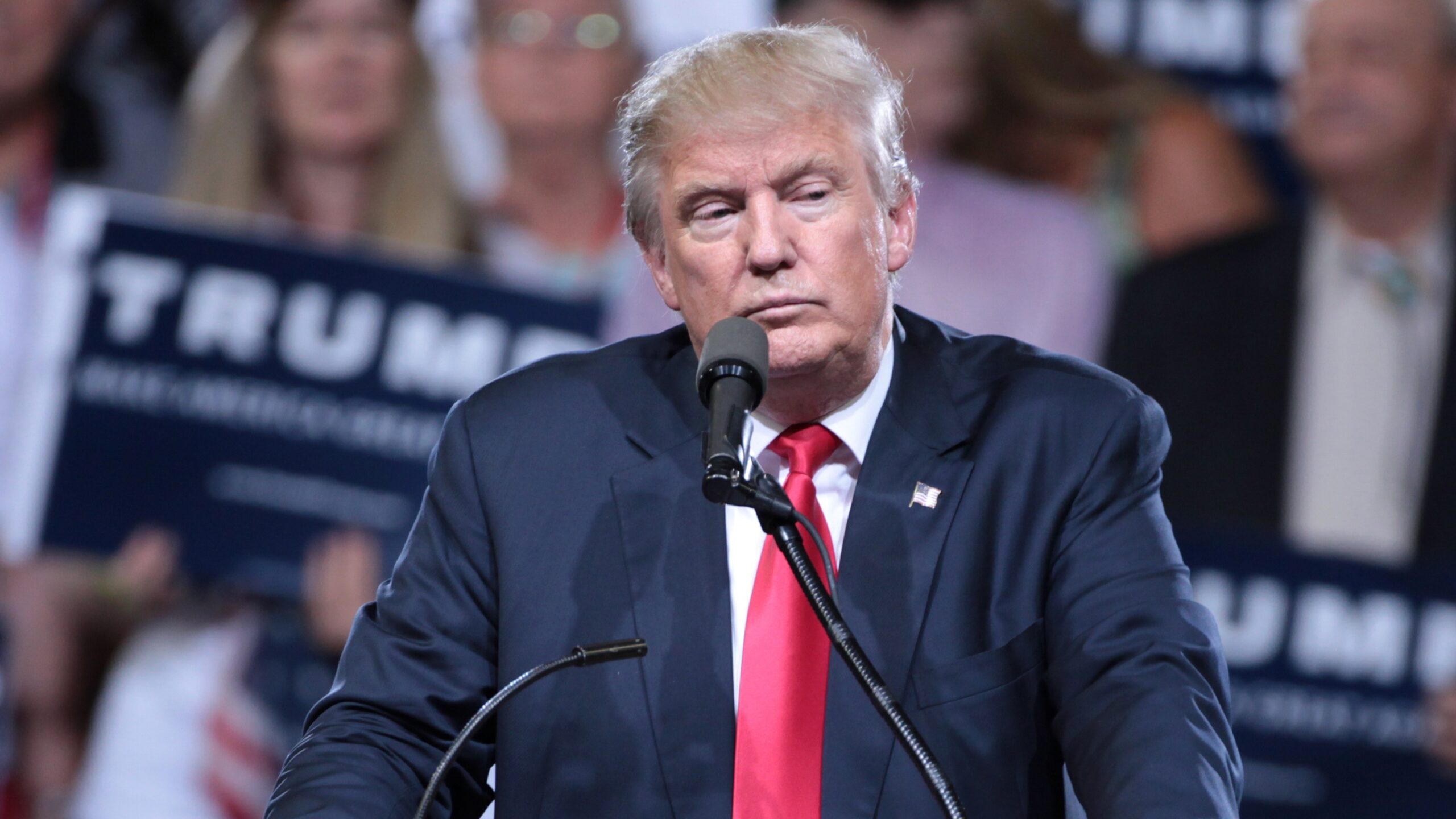
The idea of a $2,000 check funded by tariff revenue has circulated since late 2025, and it resurfaces every few weeks on social media as a rumor that a payment is imminent. Nearly ten months later, the underlying facts have not changed: no law authorizing such a payment exists, no agency has announced how to apply for one, and the tariff revenue originally tied to the idea has become harder to point to, not easier.
The Proposal Has Never Cleared Congress
A tariff-funded dividend was never something a president could simply order into existence. Sending money directly to individuals requires an appropriation, meaning Congress has to pass a bill and the president has to sign it, the same process that produced the pandemic-era stimulus checks. According to wire reporting on the proposal, National Economic Council Director Kevin Hassett said on CBS News that the checks “would have to be money that would be an appropriation,” and that Congress decides how tariff revenue and other federal money gets spent. No such appropriation bill has passed the House, passed the Senate, or reached the president’s desk.
Free retirement updates: A quiet rule change can shrink your Social Security or Medicare check, and no one warns you. The free Retirement Shield newsletter catches these early and tells you what to do. Get it free.
The Tariff Revenue Meant to Fund It Has Shrunk Twice
The financial foundation for a dividend has weakened in two separate steps since the idea was first floated. The Supreme Court ruled in February 2026 that the sweeping tariffs imposed under the International Emergency Economic Powers Act were unlawful, cutting off the original revenue source. The administration then relied on a narrower, temporary 10% global surcharge under Section 122 of the Trade Act of 1974, but that authority carries a built-in 150-day limit. It expired on July 24, 2026, and Congress did not vote to extend it. A different, narrower Section 301 tariff structure took its place the same day, but that revenue stream was never part of the original household-dividend proposal. Each step removed another piece of the funding story without Congress ever authorizing a replacement payment to households.
Several Narrower Rebate Bills Remain Stuck in Committee
A handful of bills touching this idea exist in Congress, but none of them creates the $2,000 flat payment that was originally floated, and none has become law. Senator Josh Hawley’s American Worker Rebate Act, proposing roughly $600 per person, has sat in the Senate Finance Committee since mid-2025 with no scheduled vote. A separate proposal from Senator Martin Heinrich, the Tariff Refunds for Working Families Act, introduced in March 2026, would send $1,200 to joint filers under $180,000 plus $600 per dependent child; it also remains in committee. Two House proposals along similar lines have been referred to the Ways and Means Committee without a floor vote. None of these measures matches the $2,000-per-person figure Trump described, and none has advanced to a vote in either chamber.
Refund Money Is Moving, But It Is Going to Businesses, Not Households
Confusion between two separate programs is a recurring source of the “checks are coming” claims. After the Supreme Court struck down the IEEPA tariffs, U.S. Customs and Border Protection began refunding the importers who had paid those duties at the border. That process has moved tens of billions of dollars over the summer, but every dollar goes to the businesses that originally paid the tariff, not to individual taxpayers, because tariffs are legally collected from importers rather than consumers. A household dividend would require an entirely separate appropriation on top of those existing refund obligations, and no such appropriation has been enacted.
What the Math Says About the Odds
Independent analysts have also questioned whether a $2,000-per-person payment is financially realistic. The Tax Foundation estimated that new tariffs had raised about $120 billion through early November 2025, well short of the roughly $300 billion or more a full round of $2,000 checks would cost. A separate Yale Budget Lab estimate put the true cost of a genuine $2,000-per-person payment at roughly $450 billion, a figure that exceeds what current tariff revenue generates once refund obligations and reduced trade volume are factored in. That funding gap, more than any single legal setback, is the reason analysts describe the odds of the payment happening as remote.
The Practical Takeaway for Anyone Budgeting Around It
For a retiree or anyone else on a fixed income, the safest planning assumption is that no tariff-dividend payment is coming until a specific bill clears both chambers of Congress and is signed into law. There is no application to file, no eligibility list to check, and no date to circle on a calendar, because none of those things currently exist. That gap has also become a magnet for scam messages claiming a payment is “ready to claim” in exchange for personal information or an upfront fee. Neither the IRS nor the Treasury Department initiates contact that way about a federal payment, and no legitimate program requires a fee to release money that has not been authorized in the first place.
This article was produced with the assistance of AI and reviewed by The Financial Wire editorial team.
More Financial Reading
- The ideal retirement withdrawal rate so your savings actually last
- Bank statements: how long to keep them and when to toss them