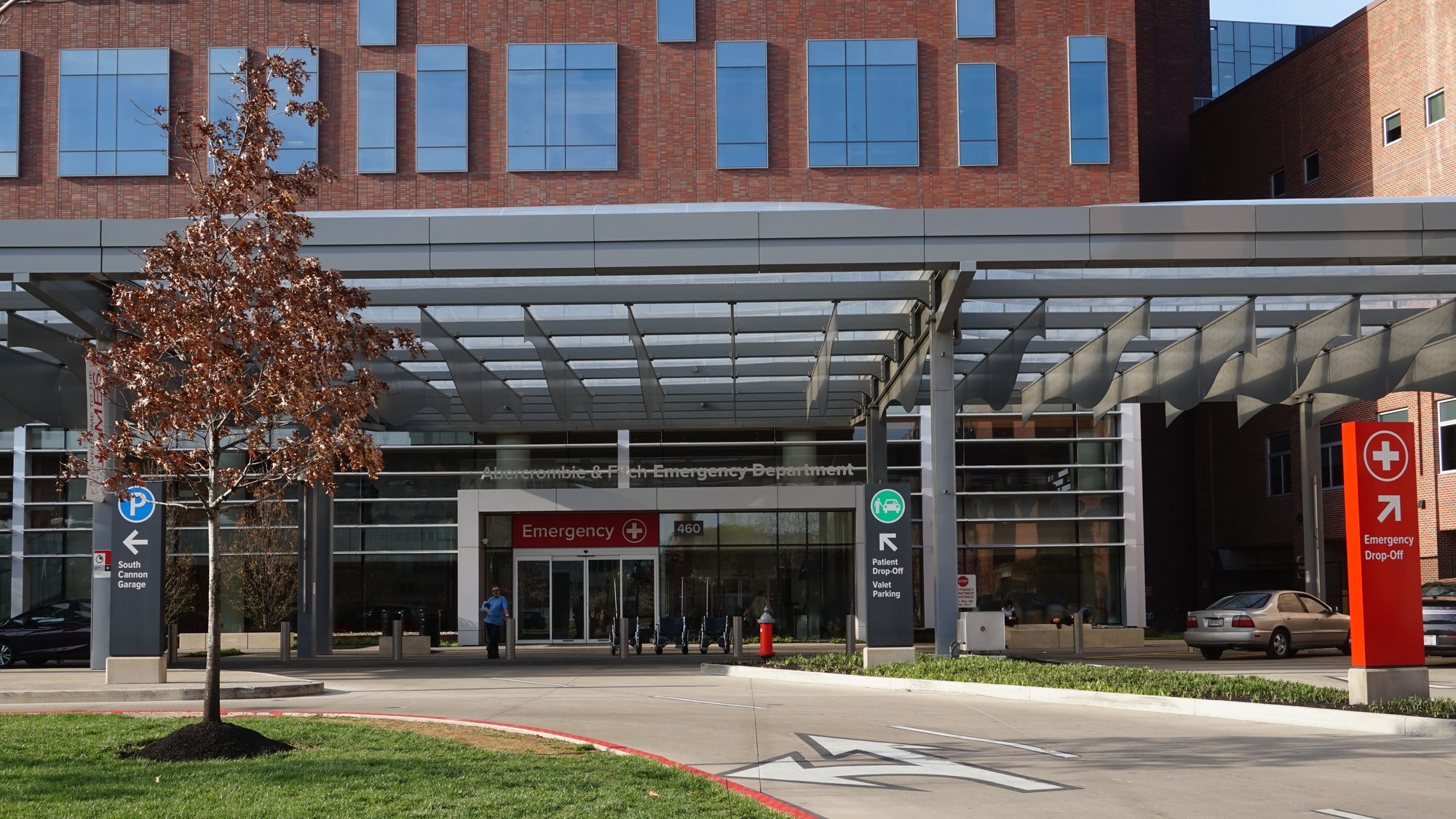
NewYork-Presbyterian and UnitedHealthcare have pushed the deadline in their contract dispute back again, this time to September 30, 2026, according to updates both organizations posted in late August. For UnitedHealthcare Medicare Advantage members who use NewYork-Presbyterian hospitals or doctors, the real question is no longer whether the dispute is serious. It is what happens to care already underway if the two sides do not sign a new agreement by then. NewYork-Presbyterian’s own notice answers that question for patients mid-treatment with a specific date: continued in-network coverage, but only through December 29, 2026.
The Extension That Replaced a September 1 Deadline
NewYork-Presbyterian and UnitedHealthcare have been negotiating a new multi-year contract for months, and the hospital’s Medicare Advantage notice shows the strain that process has put on a moving deadline. Coverage that was set to lapse September 1, 2026 did not lapse; the two organizations instead agreed to extend in-network status while talks continue. Nothing about a beneficiary’s coverage changed as a result of that extension. The same hospitals, medical groups and affiliated facilities remain in-network today, September 10, 2026, exactly as they were before the dispute became public.
According to an August 27, 2026 update on NewYork-Presbyterian’s own coverage-change notice, the extension now runs through September 30, 2026 for Medicare Advantage members enrolled through UnitedHealthcare, Oxford Health Plans or Sierra Health and Life Insurance Company. If the two organizations do not reach a new agreement by that date, NewYork-Presbyterian Hospitals and NewYork-Presbyterian Medical Group practices become out-of-network providers for most UnitedHealthcare Medicare Advantage members starting October 1, 2026.
UnitedHealthcare’s own network-negotiations page, updated a day later on August 28, 2026, confirms the same September 30 extension and spells out exactly which coverage lines it applies to: UnitedHealthcare and Oxford employer-sponsored commercial plans, Dual Special Needs Plans, Medicaid, Medicare Advantage plans including Group Retiree coverage, the Essential Plan, the Empire Plan under the New York State Health Insurance Program, and several specialty networks. The insurer’s page also draws a line the hospital’s notice repeats: NewYork-Presbyterian has already been out-of-network since January 1, 2026 for UnitedHealthcare’s Individual Family Plan, a separate line of business the two sides did not extend. That earlier cutoff is evidence the September 30 date is not a formality. An agreement already failed to materialize once, for a different group of members.
Free retirement updates: Want plain-English help keeping more of your money in retirement? The free Retirement Shield newsletter covers the benefits, deadlines, and money mistakes that cost retirees, a couple times a week. Subscribe free.
Continuity of Care Coverage Runs Through December 29
NewYork-Presbyterian’s notice does not leave the mid-treatment question open. For most patients undergoing an active course of treatment, inpatient or outpatient, before October 1, 2026, their scheduled appointments and treatments, including post-operative care, stay in-network through December 29, 2026. That protection is what the industry calls continuity of care or transitional care: a patient does not lose in-network benefits mid-treatment just because a hospital’s contract status changes around them.
The cutoff after that date is hard. Starting December 30, 2026, any subsequent non-emergency visit tied to that same course of treatment would be considered out-of-network unless UnitedHealthcare specifically approves it. One group gets a longer window: a patient who is pregnant on October 1 stays in-network for the rest of the pregnancy, including postpartum and delivery-related care, a period the hospital notes could run longer than 90 days.
What Qualifies as an Active Course of Treatment
The distinction matters because it is not automatic. NewYork-Presbyterian describes an active course of treatment as care already scheduled or underway, such as chemotherapy, a post-surgical follow-up or a series of physical therapy visits, rather than a routine annual physical or a first-time referral booked for November. A patient with a checkup scheduled for October 15 who has not yet started any related treatment does not have the same continuity protection as a patient already partway through a cancer treatment plan.
There is also a narrower complication specific to this dispute. Physicians affiliated with ColumbiaDoctors and Weill Cornell Medicine are expected to remain in-network regardless of what happens October 1, because those physician groups are contracted separately from the hospital. But the hospital notes that the facility-based services those same doctors rely on, including diagnostic testing, laboratory work, pre-admission testing, ambulatory surgery and inpatient admissions, could still fall out of network, which the hospital itself describes as making it “difficult, if not impossible” for a provider to continue treating a patient. NewYork-Presbyterian directs members to call the UnitedHealthcare Member Services number on the back of an insurance card to get an individual continuity-of-care determination rather than assume coverage either way.
The Medicare Advantage Layer: A CMS Enrollment Option Most Members Don’t Know About
Medicare Advantage adds a layer commercial insurance does not have: federal rules governing when a beneficiary can switch plans outside the normal calendar. The Centers for Medicare and Medicaid Services lists a network disruption among the “other exceptional circumstances” that can support a Special Enrollment Period, alongside events such as moving or losing other coverage. Specifically, CMS says a beneficiary who is notified of a significant change in a plan’s provider network may qualify for a case-by-case Special Enrollment Period, giving that person roughly two months to join a different Medicare Advantage plan or Medicare drug plan, or to return to Original Medicare.
That option exists separately from the continuity-of-care period NewYork-Presbyterian is offering, and CMS evaluates each request individually rather than granting it automatically to every member of an affected plan. A Medicare Advantage enrollee weighing whether NewYork-Presbyterian going out of network counts as significant enough to trigger that Special Enrollment Period would need to raise it directly with 1-800-MEDICARE, not assume eligibility from the hospital dispute alone.
Why the Timing Collides With the Annual Enrollment Period
The dates line up in a way that matters for anyone weighing a plan change. Medicare’s Annual Enrollment Period runs October 15 through December 7 this year, the one stretch when any Medicare Advantage or Part D enrollee can switch plans without a qualifying event, with changes taking effect January 1. That seven-week window opens two weeks after NewYork-Presbyterian’s potential October 1 out-of-network date and closes three weeks before the December 29 date when continuity-of-care protection for pre-October treatment runs out.
For a Medicare Advantage member with a NewYork-Presbyterian doctor, that means the one guaranteed annual chance to switch plans without a qualifying event falls entirely inside the same window the hospital is telling patients to sort out their coverage. A decision made, or skipped, during the Annual Enrollment Period determines what happens January 1, 2027, which arrives just days after the continuity-of-care protection for anyone treated before October 1 expires.
This article was produced with the assistance of AI and reviewed by The Financial Wire editorial team.
More Financial Reading
- What really happens to your joint savings account when you die?
- How many CDs can you park at 1 bank? FDIC rules you must know