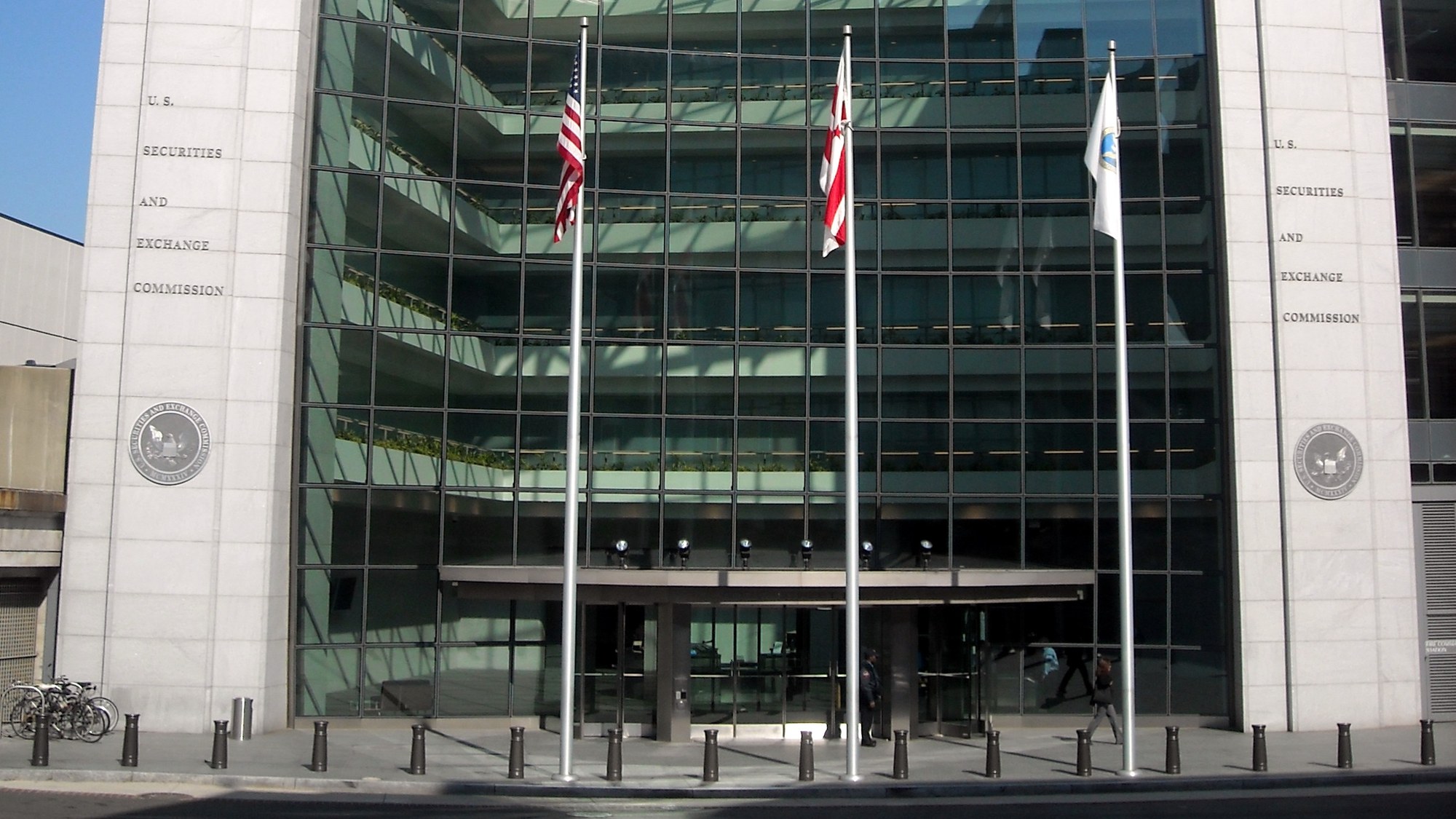
The Securities and Exchange Commission filed a civil fraud complaint on September 1, 2026, against Mark D. Hanf and Hoai-Nam Chu Phan, the former chief executive and chief operating officer behind two Marin County, California, private investment funds. According to the SEC’s complaint, the pair raised more than $80 million from about 190 mostly retail investors, and many of those investors were retired senior citizens who had entrusted their savings to what was pitched as a steady, real-estate-backed income stream. The case is a reminder that private lending funds marketed to retirees for reliable monthly income can carry risks that are not obvious from a glossy offering memorandum. Neither Hanf nor Phan has been found liable, and both settled the civil claims without admitting or denying the SEC’s allegations.
How the Pacific Fund and Freedom Fund Allegedly Ran on New Investor Money
Hanf founded Pacific Private Money Fund I in 2013 and Pacific Freedom Fund in 2020, both structured as membership funds that purported to pool investor capital to originate or buy loans secured by real estate. The SEC’s complaint says offering documents and in-person pitches promised investors preferred or fixed returns generated from that lending business, with example rates cited in the complaint running from 6 percent to 9 percent depending on the size of a deposit. In reality, the complaint alleges, the Pacific Fund had already turned unprofitable by the end of 2021 and the Freedom Fund by the end of 2022, as a large share of the funds’ loans went non-performing. The Freedom Fund’s business model was also hurt by the rapid rise in interest rates that began in 2022, the complaint says, which slowed its ability to originate new loans and collect the origination fees it needed to fund payouts. Rather than disclose the shortfall, Hanf and Phan allegedly kept both funds running by using new investor deposits to pay distributions and redemptions owed to earlier investors, a pattern the SEC describes as Ponzi-like. During the roughly four-year period the SEC examined, the complaint states the Pacific Fund took in about $7.3 million from more than 60 investors and the Freedom Fund took in about $76.5 million from around 130 investors, even as both funds relied on new deposits rather than lending income to keep paying out. The complaint also alleges that internal spreadsheets tracked which outstanding redemption requests to prioritize, including flagging investors most likely to complain.
Free retirement updates: Keep more of your Social Security and savings with plain-English updates on the changes, deadlines, and costly mistakes retirees miss. Subscribe free.
Where Hanf Allegedly Diverted at Least $7 Million
Separate from the Ponzi-like payments, the complaint accuses Hanf of misappropriating at least $7 million in investor money by routing it through Hanf Capital LLC, an entity he owned and controlled that performed no work for the funds. According to the complaint, Hanf used that diverted money to acquire and maintain real estate holdings, pay down his home mortgage and personal credit card bills, increase his personal stake in a separate PPMG fund, fund the purse of a boxing match, and invest in a cryptocurrency venture. The funds’ internal books listed these transfers as loans to Hanf’s personal entities, the complaint says, but by the time PPMG and its affiliated funds filed for Chapter 11 bankruptcy in June 2026, most of the principal and interest on those supposed loans remained unpaid. The complaint also alleges that Hanf directed the creation of false account statements and Schedule K-1 tax forms sent to investors, documents that made the funds look profitable and made the payouts look like real investment income rather than money shifted from other investors. Phan is not accused of personally taking investor money, but the SEC alleges he knew or was reckless in not knowing that the transfers to Hanf’s entities were occurring, given his access to the funds’ bank and accounting records as chief operating officer.
A $121 Million Gap Between What Was Owed and What Is Left
By the SEC’s account, the scheme began unraveling in the fall of 2025 when investors started demanding withdrawals the funds could not cover, and both the Pacific Fund and the Freedom Fund stopped paying distributions and redemptions that October. Jason Lee, an associate director in the SEC’s San Francisco Regional Office, said in the SEC’s press release that outstanding investments in the two funds totaled almost $121 million, while total recoverable assets were estimated at less than $17 million as of February 2026, a shortfall Lee called devastating for so many investors. Pacific Private Money Group and its affiliated funds filed for Chapter 11 bankruptcy protection in June 2026, which is typically how remaining assets in a collapsed fund get divided among creditors and investors, often at pennies on the dollar rather than a full return of principal.
Civil Charges, a Consent Judgment, and a Separate Criminal Case
The SEC’s case is civil, not criminal, and nothing alleged in the complaint has been proven in court. Hanf and Phan each face securities-fraud claims under the Securities Act of 1933 and the Securities Exchange Act of 1934, filed in the U.S. District Court for the Northern District of California. Without admitting or denying the SEC’s allegations, both men have already consented to a proposed judgment, subject to a judge’s approval, that would permanently bar them from participating in the issuance, purchase, offer, or sale of securities except for their own personal accounts. The amount of any disgorgement, prejudgment interest, or civil penalties has not been set; the SEC says that will be decided by the court later. Separately, the U.S. Attorney’s Office for the Northern District of California has brought parallel criminal charges against Hanf and Phan, a proceeding in which, unlike the civil settlement terms already negotiated, both men are presumed innocent unless and until a jury finds otherwise. For an older investor sizing up any private fund pitching steady income from real estate lending, the case is a reminder to ask for audited financials and confirm how distributions are actually funded before signing on.
This article was produced with the assistance of AI and reviewed by The Financial Wire editorial team.
More Financial Reading
- Adding someone to your bank account: tax traps and smart moves
- The ideal retirement withdrawal rate so your savings actually last