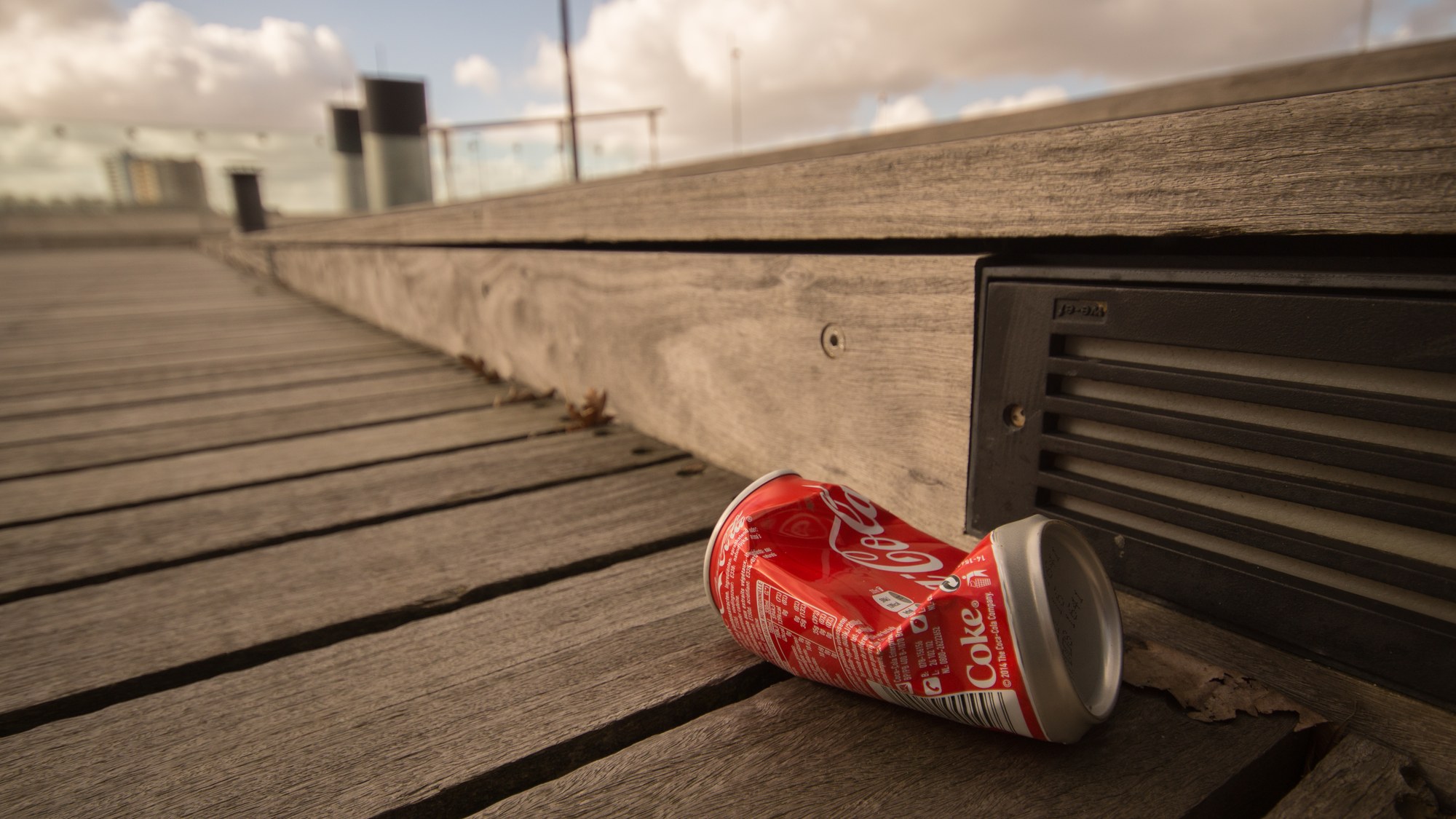
The federal government is asking an appeals court to revive a set of state programs that a federal judge already struck down, keeping alive a legal fight over whether states can bar older Americans and other Supplemental Nutrition Assistance Program recipients from buying soda and candy with their benefits. The U.S. Department of Agriculture filed a notice of appeal in late August, just before its window to do so expired, seeking to restore restrictions a district court vacated in five states two months earlier. For SNAP recipients in those states, including many older adults managing chronic conditions on a fixed grocery budget, the outcome will decide what they can and cannot buy at the register.
The Ruling USDA Is Now Appealing
On June 22, 2026, a federal district court ruled in Aragon v. Rollins that USDA exceeded its legal authority under Section 17(b) of the Food and Nutrition Act, codified at 7 U.S.C. 2026(b), when it approved state demonstration projects letting Colorado, Iowa, Nebraska, Tennessee and West Virginia redefine what counts as “food” under SNAP to exclude items like soda and candy. According to FRAC’s summary of the ruling, the court found that Congress reserved health-focused SNAP pilot projects for a different, more rigorous statutory section, 2026(k), which requires evidence-based design and outcome evaluation that these demonstrations lacked. The court also found USDA skipped a required 30-day Federal Register notice for a change of this scale, and it vacated the five approvals on summary judgment.
Free retirement updates: Keep more of your Social Security and savings with plain-English updates on the changes, deadlines, and costly mistakes retirees miss. Subscribe free.
Why Some SNAP Recipients Sued Over the Restrictions
The five plaintiffs who brought the case were themselves SNAP recipients with specific medical reasons for opposing the food restrictions. One plaintiff with diabetes told the court that juice boxes and small cans of soda are among the fastest, most reliable ways to correct a dangerous blood-sugar drop. Another with kidney disease relied on electrolyte drinks like Pedialyte and Gatorade to manage hydration. A Nebraska plaintiff with chronic insomnia and severe allergies depended on low-sugar energy drinks his dietitian recommended because he could not safely drink coffee or tea. The court found these plaintiffs had standing because losing access to those items with SNAP dollars would create concrete financial and health harm on top of already tight household budgets.
How USDA Ended Up Approving Food Restrictions in the First Place
USDA’s wave of approvals starting in 2025 marked a sharp break from decades of practice under both parties. Before 2025, administrations of both parties, including the first Trump administration, denied state requests to restrict what SNAP recipients could buy, citing stigma, retailer burden and a lack of rigorous evidence that restrictions would improve health outcomes. FRAC’s review of the reversal notes that USDA promoted state food-restriction waivers as a factor states could point to when applying for a separate $50 billion Rural Health Fund created alongside broader SNAP and Medicaid funding cuts in the same 2025 budget law, effectively tying the restrictions to states’ efforts to offset those losses.
Only Five States Are Affected by the Ruling
The June ruling does not touch every state that restricts SNAP food purchases. USDA has approved 23 state waivers of this kind, and the court’s order applies only to the five demonstrations the named plaintiffs specifically challenged. That means roughly 18 other approved state restrictions remain in force unless USDA voluntarily withdraws them or a separate lawsuit invalidates them elsewhere, even as the five vacated programs stay blocked while the appeal plays out.
USDA’s Appeal Filed at the Deadline
USDA filed its notice of appeal to the U.S. Court of Appeals for the D.C. Circuit on August 20, 2026, one day before its 60-day window to challenge the district court’s ruling closed on August 21. Filing the notice does not reinstate the five blocked demonstrations on its own; they remain vacated unless and until the D.C. Circuit stays or overturns the district court’s decision. As of this reporting, the parties have not filed briefs on the merits of the appeal, and a ruling from the D.C. Circuit realistically remains months away.
What Stays True for SNAP Recipients in the Meantime
For SNAP households in Colorado, Iowa, Nebraska, Tennessee and West Virginia, the practical rule right now is the one the district court restored: benefits can be used to buy soda, candy and other items the five vacated demonstrations had excluded, the same as in any state without an approved restriction. That could change if the D.C. Circuit sides with USDA, but nothing in the appeal itself alters eligibility or benefit amounts, and the litigation timeline gives no fixed date by which a different outcome would take effect.
Inside the organizer
51 state packs, a renewal document checklist, a renewal and reporting calendar, and the 90-day window after coverage is dropped.
The SNAP & Medicaid Renewal Organizer includes a 13-page organizer, 51 state packs and a renewal document checklist.
Open The SNAP & Medicaid Renewal Organizer.
This article was produced with the assistance of AI and reviewed by The Financial Wire editorial team.