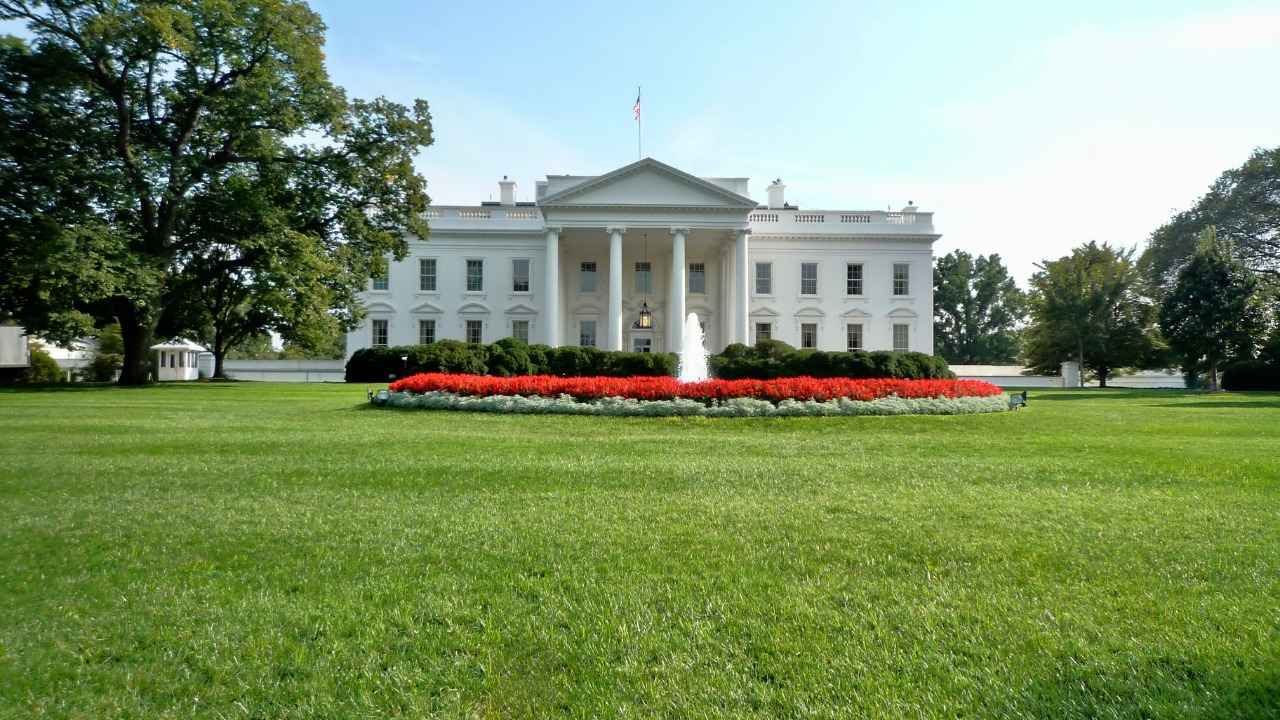
The White House’s fiscal year 2027 budget request proposes eliminating all federal funding for the Low Income Home Energy Assistance Program, the third consecutive year the administration has proposed zeroing out a program that roughly six million low-income households use to help pay for heating and cooling. Congress rejected the same proposal for the previous two budget cycles and kept the program funded both times, but that outcome is not guaranteed again, and no FY2027 funding decision has been made yet. For households already behind on utility bills, the proposal itself is a signal worth tracking even before Congress acts.
What the FY2027 Budget Actually Proposes
According to reporting on the administration’s FY2027 budget request, the proposal would cut roughly $4 billion in funding for LIHEAP, the program that helps low-income households afford home heating and cooling costs. The National Energy Assistance Directors Association, which represents the state officials who administer LIHEAP funds, says the proposal relies on what it calls inaccurate claims about the program, including a citation to a 15-year-old Government Accountability Office report and a mischaracterization of how state shut-off protections and the federal program actually interact. As a budget request rather than a signed law, the proposal is a starting position for negotiations with Congress, not a change that has taken effect.
Free retirement updates: A quiet rule change can shrink your Social Security or Medicare check, and no one warns you. The free Retirement Shield newsletter catches these early and tells you what to do. Get it free.
Two Prior Years, Two Rejections
This is not the administration’s first attempt to eliminate the program. The president’s FY2026 budget also proposed zeroing out LIHEAP funding, and according to NEADA’s own account of the fight to protect the program, Congress instead increased LIHEAP funding for FY2026 to $4.045 billion — a $20 million increase over the prior year. That victory came only after HHS had already fired the entire federal staff responsible for administering LIHEAP in April 2025, a decision NEADA says has left states running the program without federal training or guidance even though the money itself kept flowing. Whether Congress repeats that outcome for FY2027 depends on the same appropriations process that produced the FY2026 result, and that process has not concluded.
How the Money Actually Reaches a Household
LIHEAP does not send checks directly from Washington to individual households. Congress appropriates the program’s funding as a block grant, HHS distributes it to state, territory, and tribal LIHEAP offices under a formula set in federal law, and each of those offices then sets its own income rules within federal guidelines and processes individual applications, often crediting approved amounts directly to a household’s utility account rather than mailing cash. That structure is part of why NEADA describes the federal staffing cuts at HHS as consequential even though the money itself kept flowing after Congress rejected the FY2026 elimination proposal: state offices depend on federal guidance and technical assistance to run their programs smoothly, and NEADA says that support has been missing since the April 2025 staff terminations.
Why Six Million Households Are the Stakes
LIHEAP funding helps an estimated six million low-income households pay for heating in winter and cooling in summer, money that NEADA says is increasingly necessary given how energy affordability has deteriorated. The organization’s separate tracking found that roughly one in six U.S. households is currently behind on its energy bills, with total utility debt nationwide reaching approximately $25 billion — the highest level since 2021 and a 30 percent increase since the end of 2023. Census data cited by NEADA found that 37.4 percent of households earning under $50,000 a year reported being unable to pay an energy bill at least once in the past year, a population that overlaps heavily with LIHEAP’s eligibility rules.
A Preview From Last Fall’s Funding Fight
The FY2027 elimination proposal is not the only recent threat to LIHEAP’s funding stream. During the federal government shutdown last fall, LIHEAP disbursements to states were delayed even though the program’s funding had already been approved, according to NPR’s coverage of the shutdown’s effect on home heating assistance. States rely on a predictable disbursement schedule to get money to households before winter heating season begins, and even a temporary lapse in payments can leave a state LIHEAP office unable to approve new applications until the funding actually arrives. That episode showed that LIHEAP funding can be disrupted through the ordinary federal budget calendar even without a successful push to eliminate the program outright, which is part of why NEADA treats both the annual elimination proposal and shutdown-driven delays as recurring threats to the same underlying assistance.
What NEADA and Congress Do Next
NEADA’s executive director, Mark Wolfe, testified before House and Senate appropriations subcommittees in support of FY2027 LIHEAP funding, arguing that eliminating the program now — with energy costs already elevated — is exactly the wrong moment to cut it. The organization is calling on Congress to reject the elimination proposal for a third straight year, the same request it made successfully for FY2026. Because the FY2027 appropriations process runs on its own calendar separate from the budget request, the outcome for LIHEAP funding will not be clear until Congress passes, and the president signs, an actual spending bill — something that has not yet happened for the fiscal year covered by this proposal.
The Benefits Waiting on a Form
LIHEAP is one of 11 programs covered in The Benefits Checklist, alongside other opt-in assistance that households have to apply for themselves — nothing on the list arrives automatically, funding fight or not.
The guide walks through LIHEAP alongside the other ten programs, the 2026 income limits, and a 50-state phone directory for finding the right local office.
See how LIHEAP fits with the rest of the list in The Benefits Checklist.
This article was written with the assistance of AI and reviewed for accuracy before publication.